Pricing a West Village penthouse can feel like solving a puzzle with only a few pieces on the table. Inventory is thin, every home is unique, and the details that matter most are often the hardest to quantify. You want a price that captures the full value of your views, terraces, and privacy without scaring off qualified buyers. This guide breaks down what drives value, how to build a defensible price, and the strategy that helps you sell well. Let’s dive in.
West Village market snapshot
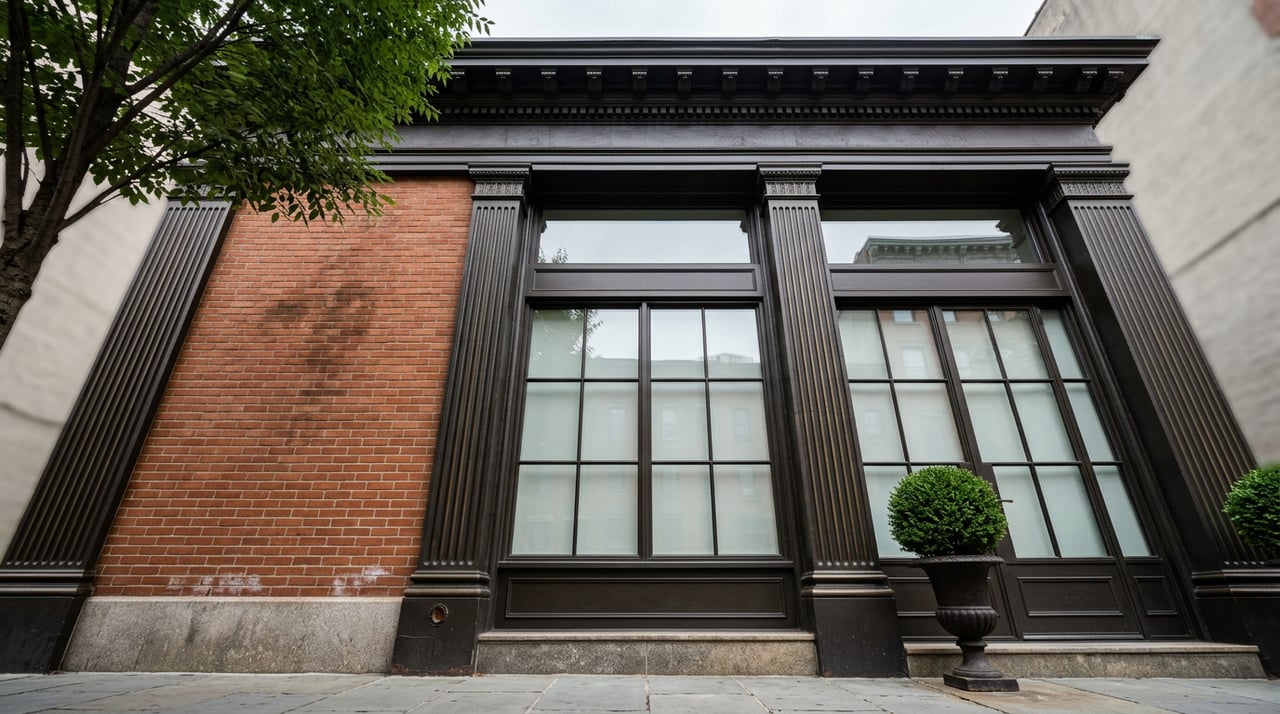
The West Village is a landmarked, low-rise pocket of Manhattan with very few true high-rise buildings. That means genuine penthouse inventory is limited and each listing is highly individual. In this kind of market, small differences in view corridors, outdoor space, and building rules can swing value more than in a typical apartment.
Because supply is thin, the best pricing read often comes from same-building sales or closely matched boutique buildings nearby. If direct comps are scarce, you can look to Greenwich Village, Chelsea, or the Meatpacking District and adjust for location, building type, and amenity differences. For objective data on recorded sales and property details, use the city’s official resources like the ACRIS deed records and the NYC Department of Finance.
What drives penthouse value
Penthouses trade on features that buyers see as rare and hard to replicate. Focus on the attributes below when building your pricing case.
Physical attributes
- Floor level and exclusivity that improve privacy and light.
- Views and orientation, including river or skyline exposures and sunrise or sunset sightlines.
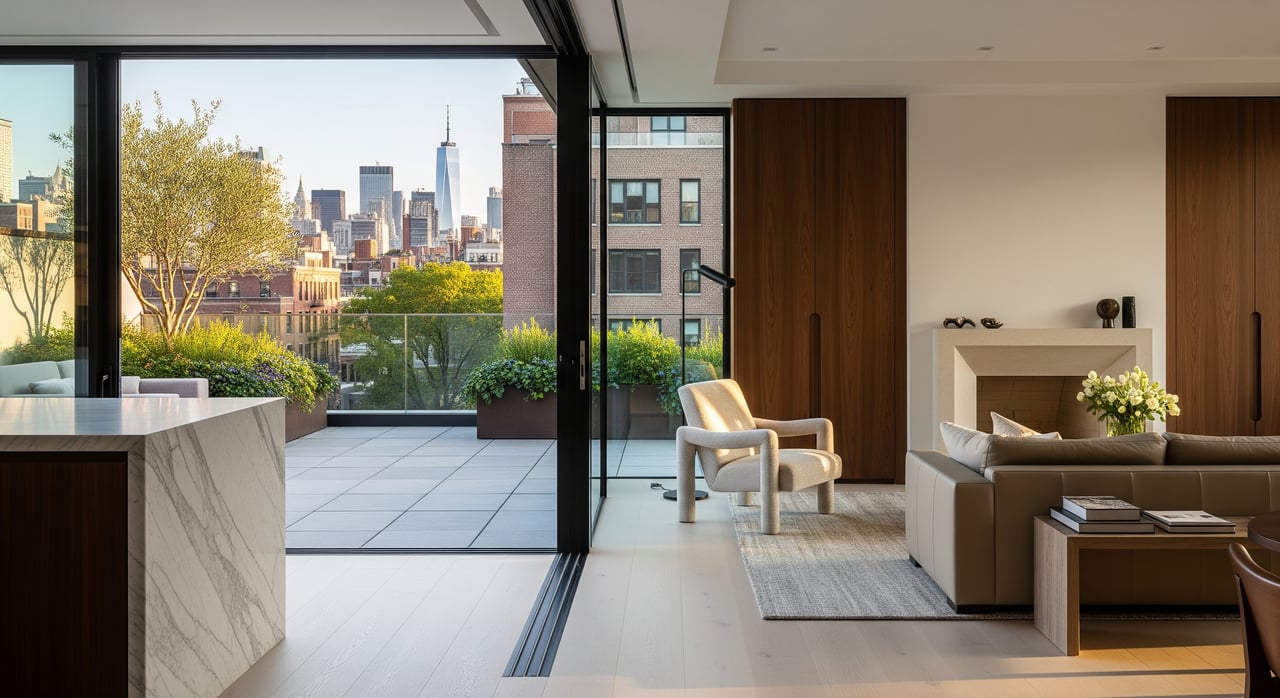
- Outdoor space such as landscaped terraces, roof decks, and multiple exposures.
- Ceiling height and layout that create volume and well-proportioned rooms.
- Private access features, including keyed or private elevator landings.
- Condition and finishes, from recent turnkey renovations to integrated smart-home systems.
Building and service
- Building type and tenure. Condos typically command a premium over co-ops due to transfer flexibility and a larger buyer pool.
- Amenities and service level. Doorman or concierge service, fitness, storage, and security can support stronger pricing.
- Carrying costs. Common charges or co-op maintenance and taxes affect affordability and buyer demand.
Legal and title features
- Roof and terrace rights. Confirm exclusive use and any easements that affect access or privacy.
- Landmark and zoning rules. In the West Village, exterior changes often need approval from the NYC Landmarks Preservation Commission, which impacts current and future terrace value.
- Co-op and condo rules. Board financial requirements, sublet rules, and offering plan restrictions can narrow or widen the buyer pool.
How to set the price step by step
A strong price blends data with judgment. Use several methods and make your adjustments explicit.
Build the property data file
- Confirm measured interior square footage and terrace square footage. Note ceiling heights and unique architectural features.
- Document private elevator access, storage, parking, HVAC/mechanicals, and recent upgrades.
- Pull official deed, unit history, and taxes from ACRIS and the NYC Department of Finance.
- Gather building financials and rules: offering plan or proprietary lease, board requirements, reserves, and any planned assessments.
Find and adjust comps
- Start with same-building trades. Then expand to similar boutique buildings in the West Village. Use adjacent neighborhoods only when necessary.
- Look across 6 to 12 months, extending further if penthouse inventory is limited.
- Adjust for the factors that move price in this segment:
- Floor level and exposure differences.
- Terrace size, usability, and orientation.
- Renovation quality and layout efficiency.
- Amenity and service level differences.
- Parking or storage.
- Carrying costs and tax burdens.
- Buyer or seller concessions reported in recorded sales.
Price-per-square-foot and outdoor space
Interior price per square foot is a useful baseline but often undervalues a top-floor home with standout views and terraces. For outdoor space, do not apply a universal multiplier. Instead, use one or more of these approaches:
- Compare against comps with similar terraces and extract an implied outdoor premium.
- Treat terrace square footage as lower-value functional space at a percentage of interior psf, calibrated to usability and exposure.
- Measure the incremental contribution by comparing otherwise similar sales with and without terraces.
High ceilings, skylights, and dramatic volume can justify a higher effective psf. The goal is a market-based adjustment backed by real trades, not rules of thumb.
Show your math to the market
When you present price, explain it. Summarize the 3 to 5 closest comps, list each key difference, and assign a clear, reasoned adjustment. Tie your premium features, such as exclusive roof rights, west-facing river views, or a recent, high-spec renovation, to what buyers have actually paid in similar sales. Transparency builds confidence and helps align negotiations.
Strategy, timing, and launch
Your list price is both a number and a strategy. If the home is truly one of a kind and demand is supportive, an aspirational price can work. In a thinner luxury segment, an at-market price often attracts more qualified buyers faster. Your timeline and negotiation tolerance should guide the choice.
Consider a soft launch to select brokers and verified buyers before going fully public if discretion is important or the home is especially unique. Manhattan has seasonal patterns, with activity often improving in late spring and early fall, though conditions change. Monitoring current market indicators from sources like REBNY research can help you time the market and set expectations on days on market.
Seller checklist to maximize outcome
- Verify all measurements, rights, and rules. Confirm exclusive terrace rights, any easements, and board or offering plan requirements.
- Prepare the property. Address maintenance items, deep clean, and style the terrace to showcase usability. Professional photography and floor plans are essential.
- Assemble documents buyers will request: building financials, minutes, offering plan or proprietary lease, recent improvements and warranties, and any assessment notices.
- Calibrate price with comps and a terrace valuation that matches your specific exposure, size, and usability.
- Plan marketing that highlights your top three premiums, such as view corridors, private access, or turnkey condition. Dawn or dusk photography can capture views and terrace ambiance effectively.
Buyer playbook to value a penthouse
- Ask for the comp package and the adjustment rationale. Review how the terrace and views were valued.
- Verify terrace rights and any limitations on use or future improvements with building documents and the Landmarks Preservation Commission.
- Review carrying costs and the building’s financials. Look for upcoming capital projects or assessments that affect your total cost.
- Understand co-op versus condo rules. Board approval requirements, sublet policies, and reserve expectations influence financing and timing.
- Align financing early. High-price loans can have different underwriting or require larger down payments. Engage your lender before you negotiate.
Legal, tax, and financing items that move the price
Co-op and condo differences matter. Co-ops often have stricter approval standards and rules on financing or subletting, which can narrow demand and impact pricing compared with similar condos. Newer boutique condos with strong design and terraces can command a premium in the West Village given the limited supply of comparable product.
Closing costs also influence buyer math. New York imposes transfer taxes and, for financed purchases, a mortgage recording tax. Rates and thresholds can change, so check the NYS Department of Taxation and Finance for transfer tax and mortgage recording tax guidance, and use the NYC Department of Finance for city-specific information. Make sure your pricing conversation reflects these costs, since they factor into what buyers can and will pay.
Ready to price your West Village penthouse?
You deserve a price that reflects the full value of your views, outdoor space, and privacy, and a plan that protects your timeline. If you want a discreet, data-backed valuation and a strategy tailored to your goals, connect with the Après Global Team at Compass for a private consultation.
FAQs
How do you find the right comps for a West Village penthouse?
- Start with same-building trades, expand to similar boutique buildings nearby, then adjust carefully for views, terraces, building type, condition, and carrying costs using city records and board documents.
How should outdoor space be valued when pricing a penthouse?
- Use direct comps with similar terraces when possible; otherwise, treat terrace area at a reduced effective psf or measure the incremental premium by comparing similar sales with and without outdoor space.
How do co-op rules affect penthouse pricing compared with condos?
- Co-op approval standards and restrictions can narrow the buyer pool, which often requires a pricing adjustment versus comparable condos with more flexible transfers.
What timing strategy works best for listing a luxury penthouse?
- Calibrate timing to current market conditions and buyer activity, consider a soft launch to qualified buyers, and monitor indicators from sources like REBNY to set expectations on momentum and days on market.