If you want a Manhattan neighborhood that feels like a living design magazine, Chelsea makes a strong case. Here, you can move from red-brick landmarks to sculptural glass towers, from gallery-lined blocks to an elevated park shaped by world-class designers, all within a compact stretch of the West Side. For buyers, second-home seekers, and anyone drawn to artful city living, Chelsea offers more than visual appeal. It offers a neighborhood identity built around creativity, preservation, and everyday access. Let’s dive in.
Why Chelsea Still Leads in Art
Chelsea remains one of Manhattan’s defining art neighborhoods. Current guides still describe it as New York City’s largest gallery district, centered in roughly a 10-block stretch from 18th to 28th Streets between 10th and 11th Avenues.
That concentration matters when you are thinking about lifestyle as much as location. Major contemporary spaces such as David Zwirner, Hauser & Wirth, Gagosian, and Dia Chelsea continue to anchor the district, giving the neighborhood a level of cultural density that is hard to replicate elsewhere in Manhattan.
Chelsea’s gallery culture is also tied to its built environment. City planning documents note that many galleries occupy converted garages and loft buildings, which helps explain the large, flexible, mostly column-free interiors that suit installation-scale work.
Even as rising rents have pushed some galleries to other areas, Chelsea remains the benchmark for concentrated contemporary art viewing in New York. For design-minded buyers, that gives the neighborhood a durable identity rather than a passing trend.
How Architecture Shapes Chelsea
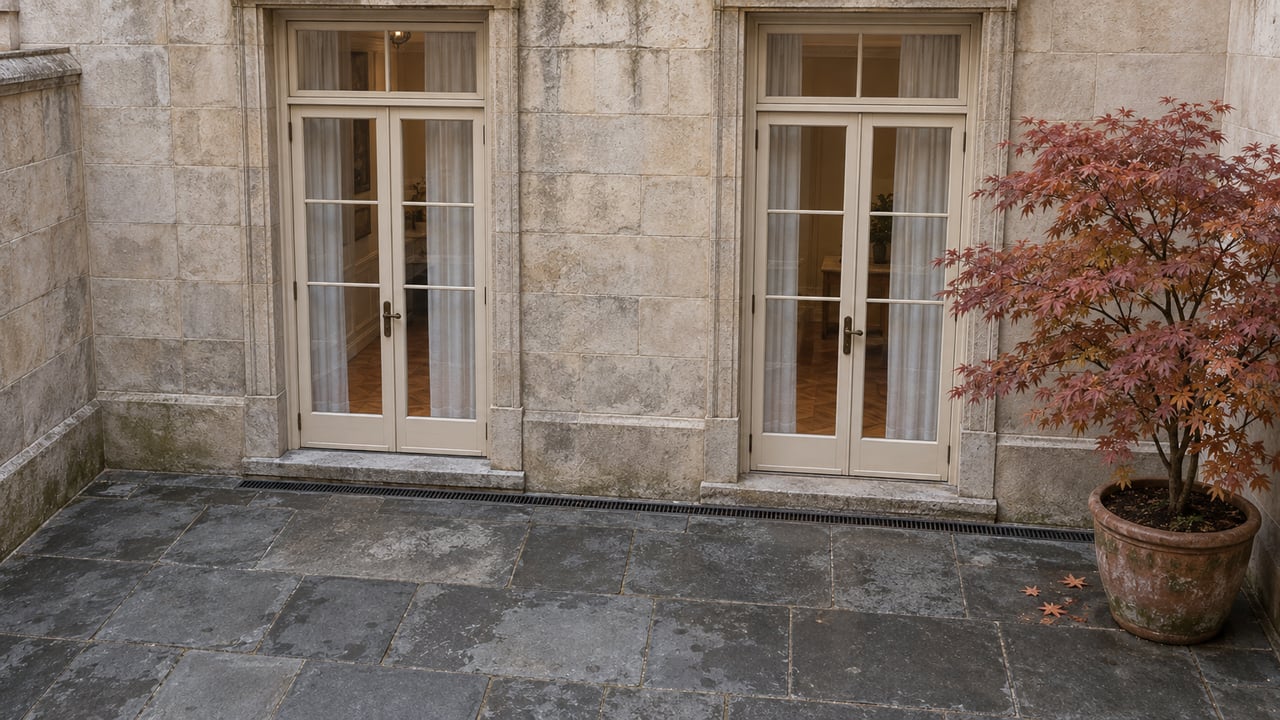
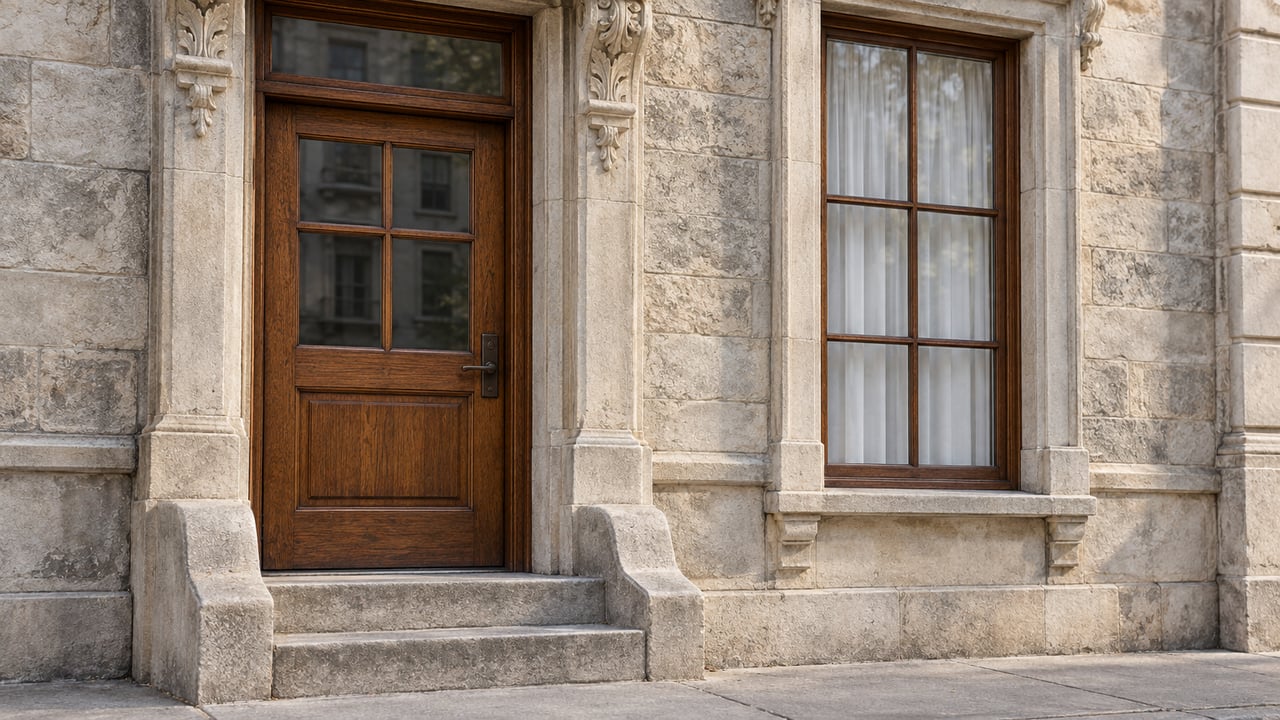
Chelsea’s appeal is not limited to what hangs on gallery walls. The neighborhood’s architecture tells its own story, and that story spans landmarked blocks, institutional heritage, adaptive reuse, and contemporary design.
The Chelsea Historic District was designated in 1970. Official planning materials describe the area’s character as being defined by both residential and commercial or industrial architecture, which is one reason the streetscape feels layered rather than uniform.
Signature landmarks help set that tone. Planning and landmarks materials identify the Hotel Chelsea, the General Theological Seminary, and the West 24th Street Houses as part of the neighborhood’s protected fabric.
For property owners, historic designation also has practical meaning. Landmarks Preservation Commission rules require advance approval for alterations, reconstruction, demolition, and new construction affecting designated buildings or properties within a historic district.
Historic Chelsea Landmarks
The Hotel Chelsea remains one of the neighborhood’s most recognizable addresses. Its red-brick and wrought-iron facade, along with its long artistic history, continue to make it a defining visual marker on West 23rd Street.
The General Theological Seminary adds another layer of architectural depth. Community-board and landmarks materials describe it as central to Chelsea’s historic heritage, with early Gothic Revival and later Collegiate Gothic buildings shaping the area’s visual identity.
For buyers who value classic Manhattan texture, these elements matter. They help create the sense that Chelsea is not manufactured around a lifestyle concept. It has an established architectural framework that continues to guide how the neighborhood looks and feels.
West Chelsea’s Modern Design
On the west side, Chelsea shifts into a more contemporary language. Frank Gehry’s IAC Building and Jean Nouvel’s 100 11th Avenue show how boldly modern architecture has become part of the neighborhood’s identity.
The IAC Building was Frank Gehry’s first full-building design in New York City. Its developer describes it as a catalyst for new development in West Chelsea, reinforcing the area’s role as a place where architecture itself can shape market momentum.
Jean Nouvel’s 100 11th Avenue takes a different approach. Its curved curtain wall and patchwork of 1,750 windows were designed to capture Hudson River light, making the building feel sculptural and highly responsive to its setting.
Together, these buildings illustrate a key Chelsea advantage. Historic texture and contemporary form exist side by side, which gives the neighborhood a rare sense of visual range without feeling fragmented.
The High Line as Design Infrastructure
Few public spaces have reshaped a neighborhood’s identity as clearly as the High Line. In Chelsea, it is not just a park. It is a piece of design infrastructure that influences how people move through the neighborhood and experience it.
The High Line is a 1.45-mile elevated park created from former freight rail infrastructure. Its redesign by James Corner Field Operations, Diller Scofidio + Renfro, and Piet Oudolf turned industrial history into one of New York’s most visible public-space design successes.
Its programming adds another layer to Chelsea’s cultural life. According to the High Line fact sheet, the park hosts more than 450 public programs and activities each year and has exhibited work by more than 120 artists through High Line Art.
For residents, that means design in Chelsea is not confined to private interiors or destination buildings. It extends into daily routines, public circulation, and the shared landscape.
Chelsea Market and Adaptive Reuse
Chelsea Market offers a different but equally important expression of the neighborhood’s design story. Housed in a former industrial building associated with the old Nabisco plant, it preserves a stripped-down brick character while serving as a day-to-night destination for food, shopping, and immersive art.
Its long operating window adds practical appeal. The concourse is open from 7 a.m. to 10 p.m., which makes it an easy part of daily life whether you are starting the morning with coffee or stopping in later in the evening.
For design seekers, Chelsea Market also reinforces a larger point about the neighborhood. Some of Chelsea’s most memorable places are not new construction or formal landmarks, but thoughtfully reused buildings that retain their industrial character.
That mix of utility and atmosphere is part of what gives Chelsea its lived-in sophistication. It feels curated, but not overworked.
A Culture-Focused Day in Chelsea
Chelsea is one of those neighborhoods where a full day can unfold naturally. The geography supports it, and the mix of uses makes the experience feel seamless rather than scheduled.
You might start at Chelsea Market for breakfast or coffee. From there, gallery hopping along the 10th and 11th Avenue corridor is an easy next step, especially given how concentrated the district remains between 18th and 28th Streets.
After that, a walk on the High Line fits naturally into the day. The park links architecture, landscape, and public art in a way that feels distinctly Chelsea.
To the south, the Whitney adds another cultural anchor. The museum notes that its Renzo Piano-designed building sits between the High Line and the Hudson River, with about 50,000 square feet of indoor galleries and 13,000 square feet of terraces facing the park.
The Whitney is useful not only as a museum stop, but as a way to understand Chelsea’s broader identity. Art here spills beyond gallery walls and into terraces, circulation spaces, streets, and the public realm.
Why Chelsea Has Lasting Residential Appeal
For buyers, Chelsea’s draw is not just aesthetic. Its long-term appeal is supported by planning, preservation, and everyday convenience.
West Chelsea zoning was designed to support both residential and commercial development, encourage arts-related uses, and preserve light and view corridors along the High Line. That planning framework also creates a transition between the lower-scale Chelsea Historic District and the denser edge near Hudson Yards.
In practical terms, this helps explain why Chelsea can feel both rooted and current. It holds onto neighborhood texture while still accommodating contemporary residential development.
Preservation plays a role as well. The Landmarks Preservation Commission states that designation protects places of special historical, cultural, or aesthetic value and requires advance approval for many exterior changes.
For owners and future buyers, that framework can help sustain the blocks that give Chelsea much of its identity. The neighborhood’s most recognizable streets are less likely to lose the visual character that makes them compelling in the first place.
Transit and convenience reinforce that stability. City planning documents note A/C/E service in West Chelsea, with subway stations at West 14th and West 23rd Streets, making the area workable for full-time living and pied-à-terre use alike.
What Chelsea Offers Design-Minded Buyers
If you are drawn to neighborhoods with a strong point of view, Chelsea offers a distinctive mix. It combines gallery culture, adaptive reuse, protected historic streetscapes, and architect-driven new development in a way that feels unusually coherent.
That coherence matters in residential decision-making. A neighborhood with durable cultural infrastructure often holds its identity more clearly over time, and Chelsea’s planning and preservation framework supports that continuity.
For some buyers, the appeal may be a historic district block near landmarked architecture. For others, it may be a contemporary west-side residence shaped by river light, proximity to the High Line, and easy access to galleries and cultural institutions.
Either way, Chelsea stands out because creativity here is structural. It is built into the streets, the buildings, the zoning logic, and the daily rhythm of the neighborhood.
If you are considering a purchase or sale in Chelsea and want discreet, senior-level guidance shaped by deep Manhattan market knowledge, Après Global Team at Compass can help you navigate the neighborhood with clarity and precision.
FAQs
What makes Chelsea appealing for art lovers in Manhattan?
- Chelsea remains New York City’s largest gallery district, with a concentrated cluster of galleries between 18th and 28th Streets near 10th and 11th Avenues.
What kind of architecture can you find in Chelsea, New York?
- Chelsea includes landmarked historic buildings, row houses, institutional Gothic architecture, adaptive-reuse industrial spaces, and contemporary glass towers.
How does the High Line influence life in Chelsea?
- The High Line adds public green space, design value, and cultural programming, with more than 450 programs each year and art installations that extend Chelsea’s creative identity into daily life.
Why do design-minded homebuyers consider Chelsea?
- Chelsea offers a rare mix of preserved neighborhood character, contemporary architecture, gallery access, and strong west-side connectivity.
What should property owners know about Chelsea Historic District rules?
- Owners of designated buildings or properties in the historic district generally need advance approval from the Landmarks Preservation Commission for many exterior changes, reconstruction, demolition, or new construction.