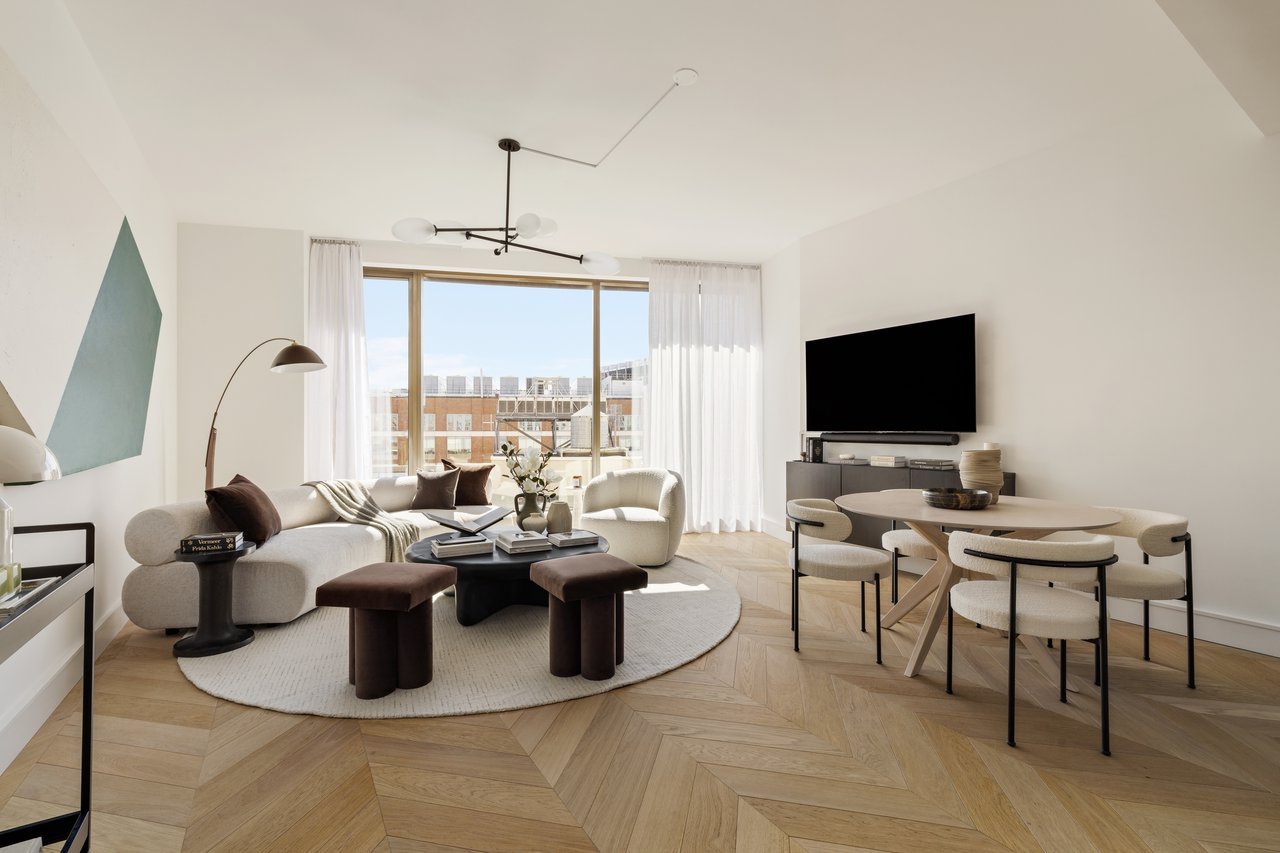
If you are planning a confidential sale in Tribeca, privacy should not come at the expense of presentation. In a neighborhood where lofts command premium pricing and buyers often make fast judgments from limited information, the way you prepare your home still shapes the outcome. With the right strategy, you can protect discretion, control visibility, and present your loft in a way that supports value from day one. Let’s dive in.
Why preparation matters in Tribeca
Tribeca remains one of Manhattan’s premium submarkets, with a median listing price of $4,547,500, 201 homes for sale, median days on market of 46, and homes selling at about 96% of asking on average as of June 2026. In Manhattan overall, Realtor.com describes the market as a buyer’s market, with roughly 9,400 active listings and a 97% sale-to-list ratio. That combination matters if you want to sell quietly.
A confidential listing is not a casual listing. In a market with choice, buyers still compare condition, pricing, and presentation, even when access is tightly controlled. Your loft needs to feel intentional from the start so that private interest translates into credible offers.
Define what confidential sale means
In New York City, private listing options can be structured in different ways through REBNY’s RLS. Sellers may opt out of internet dissemination entirely, and there are also participant-only and owner opt-out options that are not publicly disseminated. These options support one-to-one personalized communication rather than broad public marketing.
That gives you flexibility, but it also creates tradeoffs. Reduced public exposure can support privacy, yet it can also narrow the immediate audience. For that reason, your agent’s outreach plan, asset preparation, and launch timing become even more important.
Choose the right exposure level
A confidential sale is not one fixed model. Depending on your goals, you may want:
- No public internet exposure
- Participant-only visibility within the professional listing ecosystem
- Owner opt-out distribution with direct broker-to-broker communication
- A coming soon period used to prepare assets before broader marketing
The right choice depends on how much privacy you want, how quickly you hope to move, and how much market testing you are comfortable with.
Treat the first month as critical
Realtor.com’s 2026 seller research found that the first four weeks after a listing goes live are the make-or-break period, with the strongest sale-to-list performance tied to homes that closed about four weeks after launch. Even in a discreet sale, that early window matters because buyers are most responsive when a property feels fresh and thoughtfully introduced.
For Tribeca loft sellers, this means your home should be fully prepared before any outreach begins. If private marketing starts before the loft is ready, early impressions can be weaker than they need to be. In a premium segment, that can be hard to reverse.
Build readiness before outreach
Before your property is shared privately, aim to complete these essentials:
- Decluttering and storage reduction
- Deep cleaning, including windows, carpets, walls, and light fixtures
- Staging or styling of key rooms
- Photography and floor plan creation
- Decisions about image rights and syndication limits
- A clear pricing and showing strategy
This kind of preparation helps protect both privacy and value. It reduces the need for repeated reshoots, mixed messaging, or unnecessary exposure later.
Simplify the loft before you market it
No cosmetic update is required before listing, but basic preparation can improve how your home appears in person and in photos. Consumer guidance cited in the research report recommends cleaning windows, carpets, light fixtures, and walls, while storing clutter away. For a loft, that guidance is especially relevant.
Tribeca lofts often sell on volume, light, and layout. Too many objects, too much furniture, or visually busy surfaces can make a large space feel less clear. A buyer should be able to understand the scale of the great room, the flow between zones, and the functionality of the home without visual friction.
Focus on readability, not over-renovation
In many cases, the smartest pre-listing work is selective, not sweeping. Rather than taking on a full renovation, focus on changes that help the home read cleanly and confidently.
That can include:
- Removing excess furniture to open sightlines
- Editing art and decor so architectural features stand out
- Refreshing walls or finishes if wear is visible
- Addressing lighting so the loft feels bright and balanced
- Organizing storage areas that may come up during showings
The goal is not to erase personality. It is to make the loft easy to understand and easy to remember.
Use staging strategically
According to NAR’s 2025 staging report, 83% of buyers’ agents said staging makes it easier for a buyer to visualize a property as a future home. The most commonly staged rooms were the living room, primary bedroom, and dining room. In a Tribeca loft, those areas often do the heaviest lifting.
Lofts can be impressive but complex. Open plans, oversized rooms, and flexible layouts can leave buyers unsure about how spaces should function. Strategic staging helps define those zones without making the home feel crowded.
Prioritize the rooms buyers read first
If you are staging selectively, start with the areas that shape first impressions:
- Living area: Clarifies scale, conversation flow, and focal points
- Primary bedroom: Helps buyers read comfort and proportion
- Dining area: Defines entertaining space in open-plan layouts
For confidential listings, staging also supports more efficient showings. When each space reads clearly, buyers can process the home faster and with more confidence.
Plan photos around layout and light
Research cited in the report shows that among buyers who use the internet, photos are the most useful website feature at 83%. Detailed property information follows at 79%, then floor plans at 57%, virtual tours at 41%, and videos at 29%. Even if your sale is not broadly public, these assets still matter because private buyers and brokers rely on them to decide whether to engage.
That is especially true for lofts. A still image may capture finishes, but it does not always explain ceiling height, room depth, or circulation. Floor plans and carefully selected visuals help bridge that gap.
Capture the loft honestly and well
Seller photography guidance in the research report recommends:
- Chest-height framing
- Wide-angle lenses
- Landscape orientation
- Interior photography when the home is brightest
- Exterior shots with the sun behind the camera
For a Tribeca loft, those choices can help convey scale and natural light without making rooms feel distorted. The best images should feel accurate, calm, and architectural.
Do not skip floor plans
Floor plans are often underused in private marketing, but they are particularly useful for lofts. Buyers can understand bedroom placement, entertaining zones, and flexibility more quickly when they see the full layout.
In a confidential sale, strong floor plans can also reduce unnecessary traffic. When prospects understand the space before visiting, showings tend to be more targeted.
Set image rights and privacy rules early
NAR’s MLS photo policy states that the listing broker should own or have authority to publish all submitted photographs and images before they go into the MLS. For a confidential listing, that issue deserves attention at the start, not after the shoot.
You should decide in advance where images may appear, who may share them, and whether any public syndication is permitted at all. This helps avoid accidental overexposure and keeps everyone aligned on the boundaries of the campaign.
Create a clear confidentiality framework
Before marketing begins, confirm:
- Whether the listing will appear on public websites
- Whether images can be distributed broker-to-broker only
- Whether floor plans and videos follow the same rules as photos
- How showing requests will be qualified and scheduled
- Whether any identifying details should be limited in marketing materials
These decisions support consistency. They also help your launch stay controlled if interest builds quickly.
Consider a pre-sale inspection
A pre-sale inspection is optional, but it can uncover issues before buyers do. The research report notes that if a home may need major repair, sellers should cost out items such as appliances, HVAC, or roof-related work, even if they do not plan to complete repairs immediately.
For a luxury loft, the value of that step is often strategic. You may not need to fix every issue, but understanding the facts early helps you plan disclosures, pricing, and negotiation posture with fewer surprises.
Price and position the loft carefully
In Tribeca, premium pricing only works when the launch supports it. With homes selling at about 96% of asking on average and median days on market at 46, pricing needs to reflect both the uniqueness of the loft and the reality of current buyer choice.
A confidential sale can sometimes create intrigue, but it should not be used to avoid market discipline. Buyers in this segment still respond to credible pricing, polished presentation, and a sense that the property has been thoughtfully positioned.
Keep showings selective and seamless
Private sales work best when every showing feels intentional. That means qualified appointments, a calm schedule, and a home that is consistently ready. If your first visitors encounter unfinished prep, unclear room use, or uneven materials, your confidential strategy can lose momentum quickly.
A well-run private campaign should feel curated rather than limited. The buyer experience still needs to communicate quality, seriousness, and trust.
The case for senior-led execution
Confidential sales usually involve more than keeping a listing off public portals. They require decisions about exposure, messaging, timing, asset control, and buyer qualification, all while preserving leverage. In a market like Tribeca, that process benefits from experienced, senior-level oversight.
For high-value lofts, the best outcomes often come from combining discretion with disciplined preparation. When your home is edited, documented, and introduced with care, privacy does not have to dilute performance.
If you are considering a discreet sale in Tribeca, a tailored plan can help you protect confidentiality while positioning your loft for a strong result. To discuss a private strategy, connect with Après Global Team at Compass.
FAQs
How does a confidential sale work for a Tribeca loft?
- A confidential sale can limit or avoid public internet exposure through options such as owner opt-out or participant-only distribution, while still allowing private, one-to-one marketing and showings.
Why does staging matter for a Tribeca loft sale?
- Staging helps buyers understand scale, layout, and room function, which is especially important in lofts with open plans and flexible living areas.
What marketing materials are most important for a private loft listing?
- Photos, detailed property information, and floor plans are the most important materials because they help qualified buyers and brokers assess the property before requesting a showing.
Should you do repairs before listing a Tribeca loft privately?
- Not always, but a pre-sale inspection can reveal issues early so you can decide what to repair, what to price around, and how to prepare for negotiations.
When should you launch a confidential Tribeca listing?
- You should launch only after the loft is decluttered, cleaned, staged if needed, photographed, and supported by a clear privacy and showing strategy, since the first month is often the most important period.