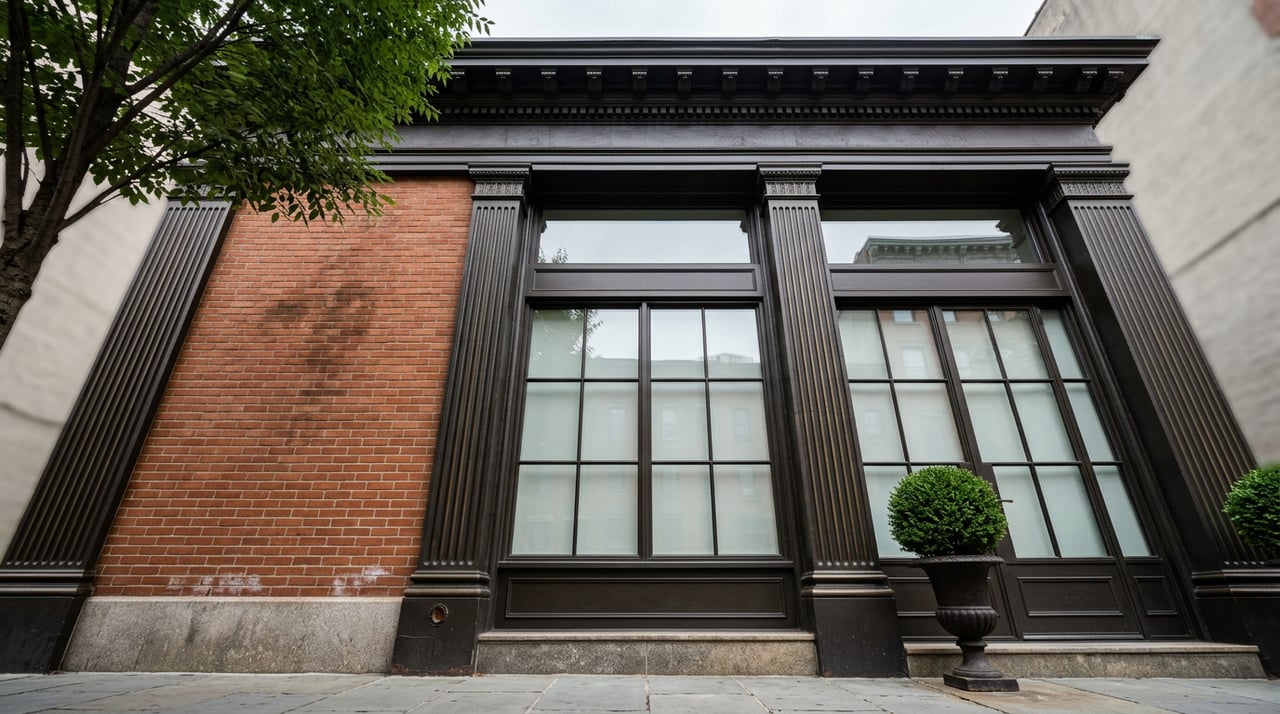
Buying or selling in Tribeca is not like transacting in a typical market. Unique loft layouts, a mix of co-ops and condos, landmark rules, and board reviews can turn small missteps into costly delays. You want the right home or buyer at the right price, without surprises or wasted time. This guide shows how a senior Tribeca advisor helps you avoid risk, access better opportunities, and execute cleanly from first look to closing. Let’s dive in.
Tribeca demands hyper-local mastery
Tribeca blends converted industrial lofts, boutique buildings, and luxury towers. Inventory is often tight, and pricing depends on building identity, floor height, exposures, finishes, and governance. That means two similar-looking homes can trade very differently based on building policies, board temperament, and recent assessments.
Parts of Tribeca sit within historic districts. If you plan any exterior or visible work, you may need approvals from the NYC Landmarks Preservation Commission. You can confirm boundaries and research designations using the city’s interactive LPC map.
Many buyers weigh proximity to parks and school assignment as part of their housing decision. If schools matter to you, confirm attendance zones and program details directly with the NYC Department of Education’s Find a School tool. Zones and policies can change, so verify early in your search.
What a senior Tribeca advisor knows
Building-by-building intelligence
In Tribeca, the building is often the product. A senior advisor tracks board behavior, house rules, and financial trends by address. That includes sublet policy, pet rules, sponsor-retained units, reserve levels, past and pending assessments, and managing agent responsiveness. This context shapes your strategy, offer terms, and even whether a building fits your goals.
Off-market access and timing advantage
With limited supply, important opportunities often surface off-market or pre-market. Longstanding relationships create access to pocket listings, early whispers, and seller timelines. For buyers, that can mean a first look and a stronger negotiating position. For sellers, it can mean qualified previews that protect privacy while testing price.
Pricing unique lofts and luxury condos
Lofts and one-of-a-kind floor plans rarely fit cookie-cutter valuation models. A senior advisor adjusts for ceiling height, column placement, window runs, views, noise exposure, amenity mix, and recent in-building trades. Knowing the nuance behind each comp, including off-market transactions, is essential to land on a number that is both aggressive and defensible.
Board dynamics and governance
Co-ops and condos function differently. Co-ops require detailed board packages and interviews. Condos carry fewer board-approval hurdles but different fee structures and rules. A senior advisor helps you assemble a clean package, anticipate board questions, and choose buildings where your profile aligns with governance. For sellers, insight into a board’s process lets you plan timelines, disclosures, and buyer screening to avoid late-stage surprises.
How expertise changes outcomes
Choosing between a condo and a co-op
Your need for flexibility, financing, and privacy will often guide this choice. A senior advisor matches you with buildings that fit your priorities, whether that is ease of subletting, lighter approval processes, or a certain fee structure. This prevents you from chasing listings that look perfect on paper but conflict with future plans.
Board-package readiness and timeline control
Co-op reviews vary widely. You should plan for a 4 to 8 week window for standard boards, and longer when financials are complex or boards are highly scrutinizing. A senior advisor pre-screens your profile, flags gaps early, packages documents cleanly, and prepares you for interviews. That reduces the risk of delays or denials and keeps your closing on track.
Seller positioning for lofts and towers
In lofts, light, volume, and flow sell. Tactical improvements that highlight ceiling height, window lines, and open-plan living often outperform deep structural work. A senior advisor can weigh the cost and return of updates like refinished floors, lighting, and HVAC tune-ups, then pair them with staging calibrated to the product type. The result is a listing that photographs beautifully, tours cleanly, and compels action.
Clean, coordinated closings
NYC closings involve attorneys for both sides, building management, and often co-op managing agents. Taxes and fees also differ from many markets. For context on city transfer taxes, review the NYC Department of Finance’s overview of the Real Property Transfer Tax, then rely on your attorney and lender for deal-specific estimates. A senior advisor coordinates the timeline among lenders, attorneys, and building staff so you avoid last-minute friction.
Buyer checklist for Tribeca
- Get attorney-ready. Hire a NYC real estate attorney early so offers and contract reviews move quickly.
- Secure financing. Obtain a pre-approval, and if you are considering co-ops, work with lenders experienced in co-op underwriting.
- Clarify your non-negotiables. Prioritize layout, light, amenities, and governance flexibility so your search stays focused.
- Pre-offer due diligence. Review building financials, reserve levels, and house rules. Ask about recent or upcoming capital projects and assessment history.
- Understand board timelines. If you target co-ops, schedule accordingly for board-package preparation and reviews.
- Check school details. If schools are part of your plan, confirm zones with the NYC Department of Education before you bid.
- Plan for renovations. If the property is within a historic district, factor potential approvals with the Landmarks Preservation Commission into your timeline and budget.
Seller checklist for Tribeca
- Commission a granular CMA. Use building-specific comps and recent in-building trades to set a price strategy that is ambitious and credible.
- Optimize the product. Focus on cosmetic updates that showcase light, ceiling height, and scale. Stage for the architecture, whether loft or tower condo.
- Prepare documentation. Gather offering plans, amendments, building financials, house rules, and recent board minutes. Anticipate buyer due diligence questions.
- Choose your launch path. Decide between discreet pre-market previews and a full public launch. Base the plan on current demand, building history, and your privacy needs.
- Invest in presentation. Schedule professional photography, detailed floor plans, and virtual tours calibrated to your buyer segment.
- Coordinate building logistics. Confirm move-in and move-out rules, elevator reservations, and any application fees early.
How to choose the right advisor
- Ask for building-specific experience. Which Tribeca buildings have they sold in during the past 12 to 24 months, and how did those deals perform versus ask?
- Probe their valuation method. How do they adjust for ceiling height, exposures, and recent off-market trades when pricing unique spaces?
- Understand their network. What access do they have to off-market inventory and to the brokers who frequently place buyers in your building type?
- Review board-package success. How do they structure and coach co-op packages to move through review smoothly?
- Confirm communication and discretion. What is their plan for updates, privacy, and confidentiality at each step?
- Request references. Speak with past clients about execution, problem-solving, and closing outcomes.
A senior Tribeca advisor brings more than listings and showings. You get market intelligence, board-savvy execution, and a network that expands your options while protecting your time and equity. If you value privacy, precision, and a calm, senior-led process, the Après Global Team at Compass is ready to help.
FAQs
Should I buy a condo or a co-op in Tribeca?
- It depends on your need for flexibility, financing, and tolerance for board scrutiny; a senior advisor aligns building governance and market conditions with your goals so you choose the right fit.
How do closing costs differ in NYC for condos and co-ops?
- They vary by property type and price; use your attorney and lender for exact numbers, and review the city’s overview of the Real Property Transfer Tax for general context.
How long do Tribeca co-op board approvals take?
- Timelines vary by building, but you should budget 4 to 8 weeks for standard boards and longer for complex financial reviews or high-scrutiny buildings.
How do I check if a Tribeca property is in a landmark district?
- Use the NYC Landmarks Preservation Commission’s interactive map to confirm historic district boundaries and learn about applicable rules.
What pre-sale updates pay off in Tribeca lofts?
- Cosmetic improvements that emphasize light, ceiling height, and flow, paired with staging tailored to the architecture, often outperform deeper structural work in both speed and price.