Are you buying a SoHo loft because you want the freedom to live beautifully and work efficiently in one place? That goal makes sense in a neighborhood known for open layouts, big windows, and historic character, but in SoHo, the smartest purchase starts with legal use, not just design appeal. If you are weighing a loft for hybrid living, creative work, or a flexible day-to-day setup, this guide will help you focus on the issues that matter most before you commit. Let’s dive in.
Why SoHo lofts feel built for flexibility
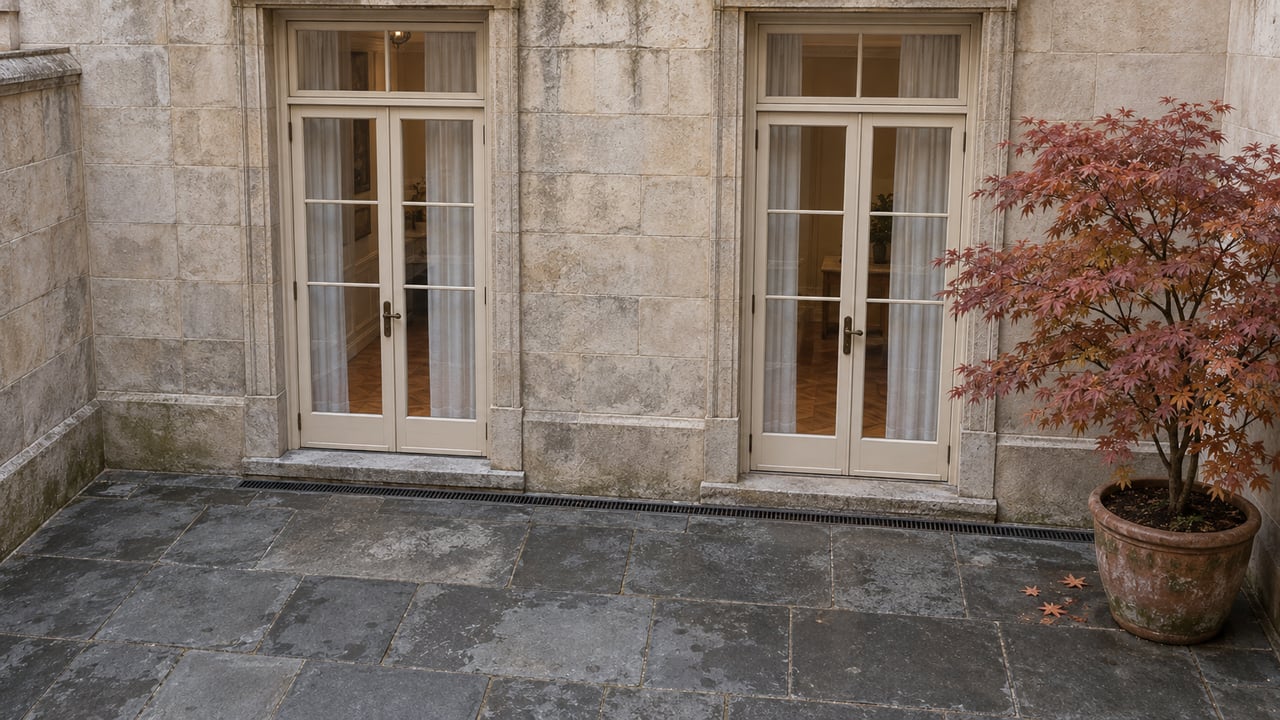
SoHo stands apart because many of its buildings were originally developed as store-and-loft or warehouse properties, then adapted over time for studios, galleries, and residences. That history helps explain why buyers are drawn to the neighborhood’s wide-open floor plates and distinctive proportions.
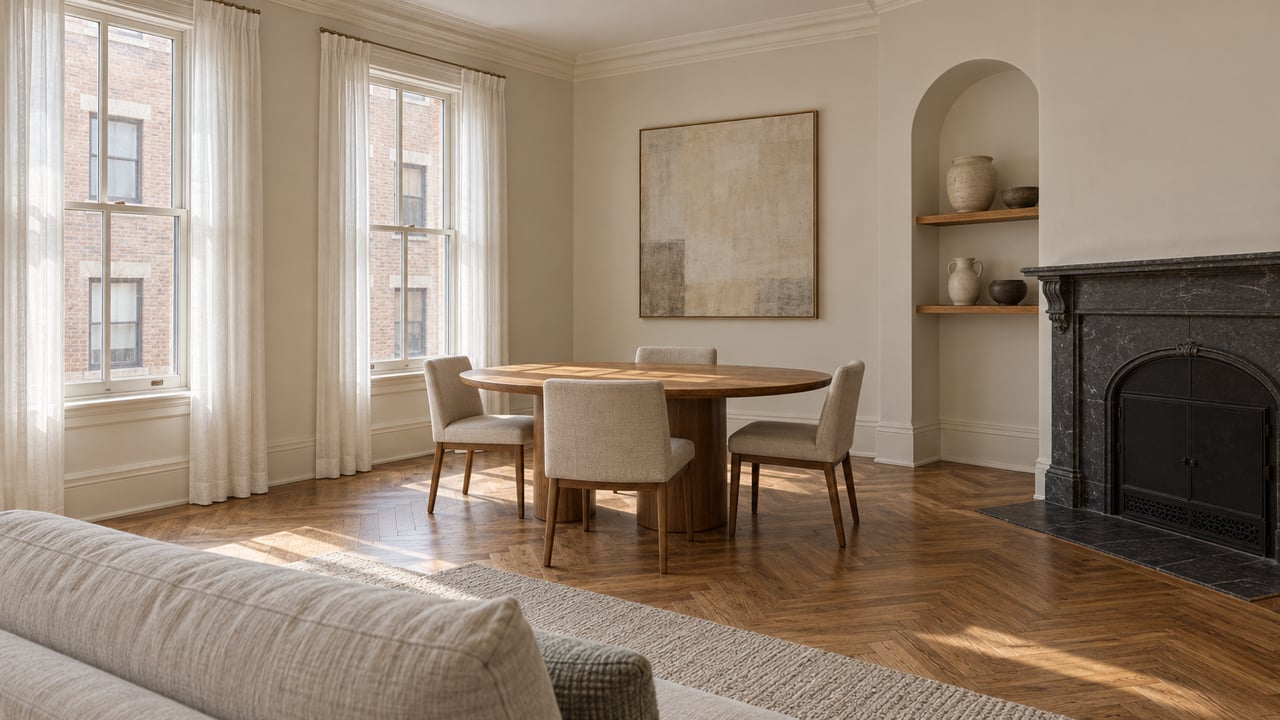
The appeal is not only visual. In many SoHo lofts, the underlying architecture supports the kind of flexible use buyers want, whether that means a quiet work zone, a library-style sitting area, or a more open entertaining space that can shift throughout the day.
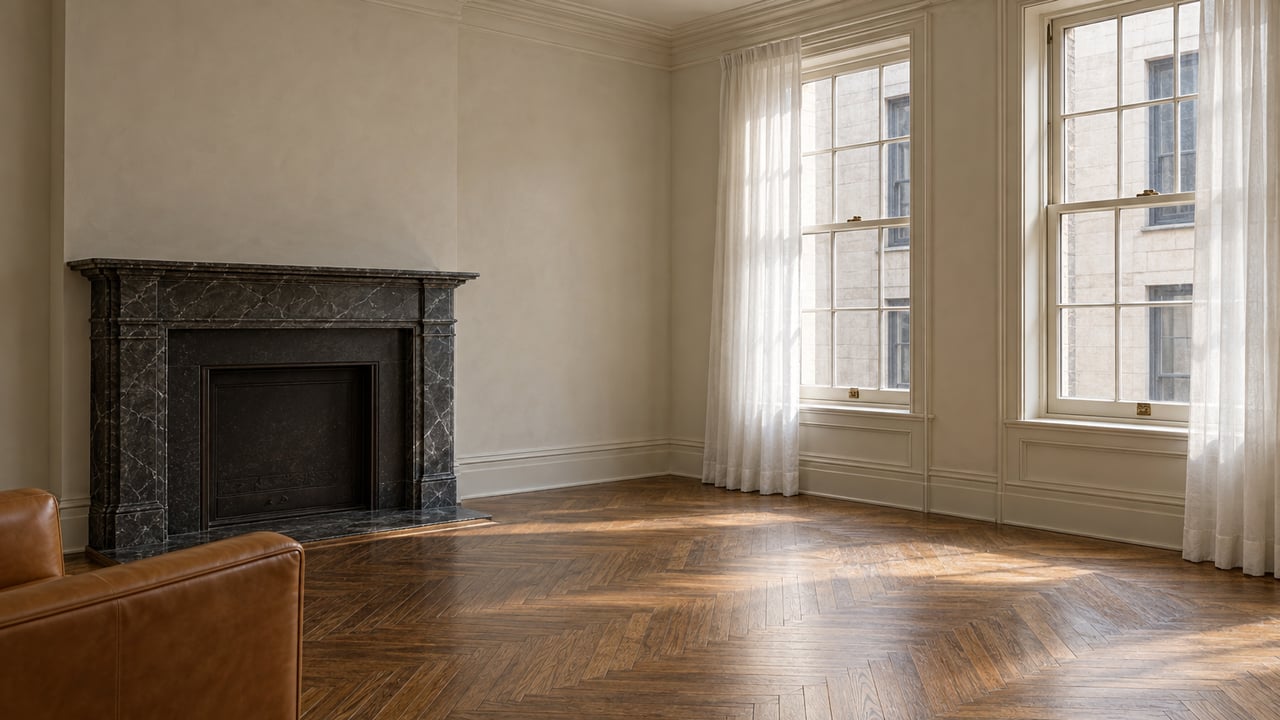
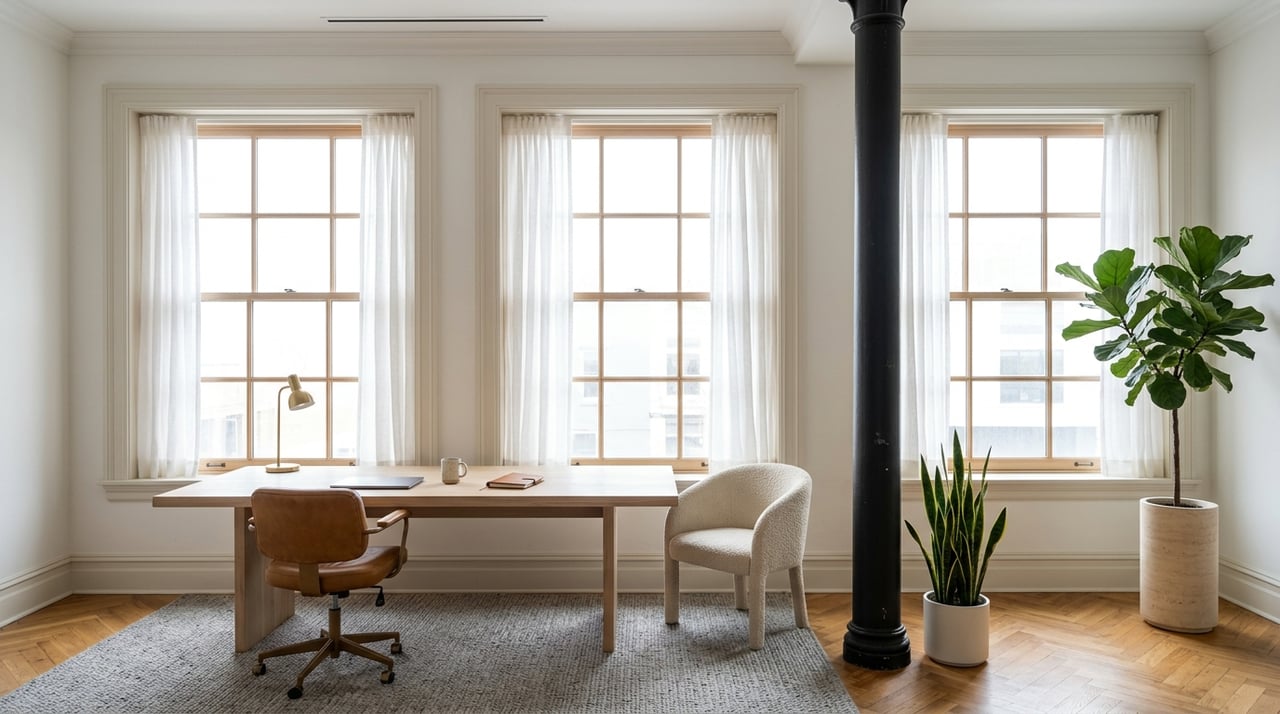
Another defining feature is light. Landmark reports on the SoHo-Cast Iron Historic District extension describe the large window openings found on many loft buildings, which is one reason buyers often prioritize daylight, frontage, and window condition when evaluating a unit for live-work flexibility.
Start with legal occupancy status
In SoHo, the most important question is not whether a loft looks right for live-work use. The first question is whether the unit can legally be occupied the way you intend.
The current zoning framework is the Special SoHo-NoHo Mixed Use District, or SNX, adopted on December 15, 2021. Under current rules, conversions to joint living-work quarters for artists are no longer permitted within the district after that date.
That means a loft’s occupancy status can shape your entire purchase path. Two units with nearly identical finishes and layouts may involve very different legal steps depending on whether they are JLWQA, IMD, or already fully legalized for residential use.
What JLWQA means for buyers
Existing lawful JLWQA use may continue, but only under the occupancy restrictions that applied before the zoning change. If you are considering a unit with JLWQA status, you need to confirm whether you qualify under a lawful occupancy path.
The Department of Cultural Affairs remains the certifying agency for working artists seeking JLWQA occupancy in SoHo and NoHo. If you do not qualify as a lawful JLWQA occupant, the unit generally must be converted to residential use before you can occupy it as such.
When a residential conversion may be required
According to DOB guidance, a JLWQA-to-residential conversion generally requires several steps, including CPC Chair certification, a one-time non-refundable contribution to the SoHo-NoHo Arts Fund, any needed code-upgrade work, and a DOB-issued Certificate of Occupancy. DOB also notes that these conversions can be filed unit by unit and do not by themselves trigger a building-wide conversion.
The Arts Fund contribution is set at $100 per square foot of converted floor area, subject to annual adjustment. For buyers considering a large loft, that number should be part of your budget review early in the process.
The Loft Law exception to know
There is an important exception for certain Loft Law buildings. DOB says IMD units that have entered Loft Board jurisdiction may be occupied as residential use without DCLA artist certification, and fully legalized former IMD units may continue in perpetuity as residential use without artist certification.
DOB also notes that, following a 2022 amendment to New York State Multiple Dwelling Law Section 276, permanent occupants whose residence began on or before December 15, 2021 are treated as meeting the occupancy requirements. In practical terms, this is why careful document review matters so much in SoHo.
Landmark rules shape what you can change
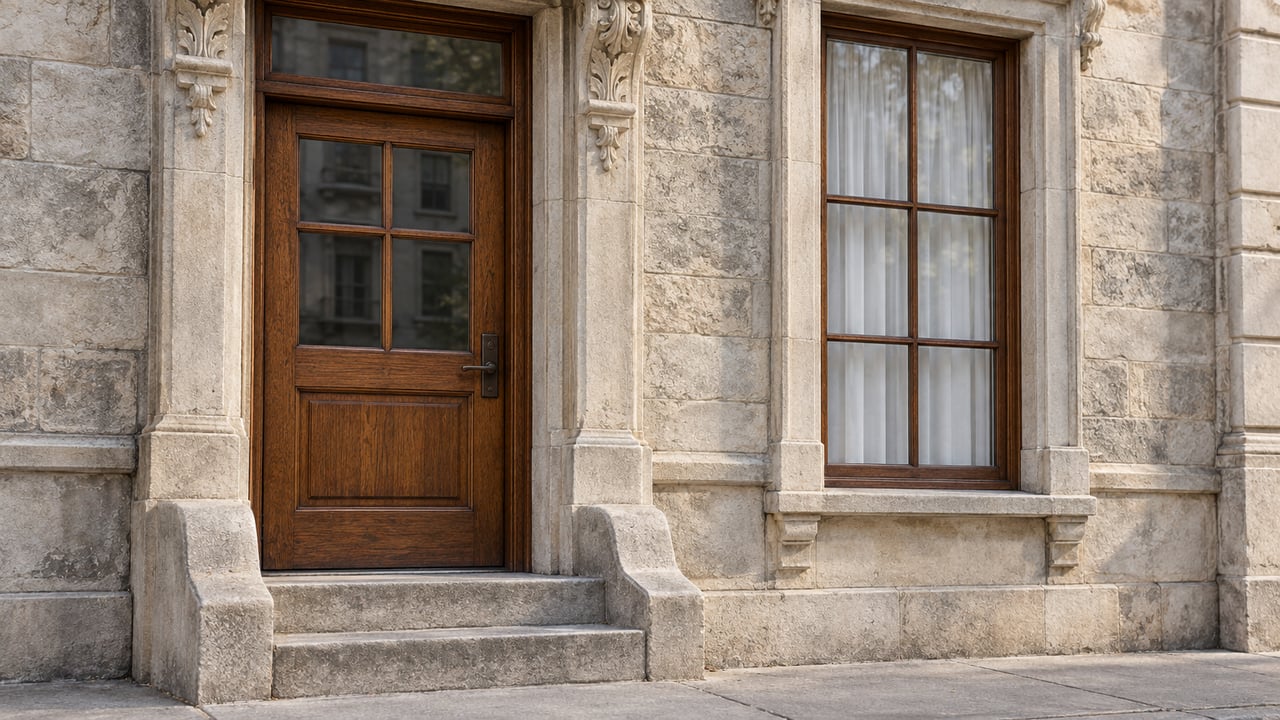
SoHo’s architectural identity is a major part of its value, but it also comes with review standards. NYC Planning notes that nearly 85% of the rezoning study area overlaps six historic districts, and many loft buildings fall within landmark-regulated areas.
If a building is designated, the Landmarks Preservation Commission must approve in advance most alterations, reconstruction, demolition, or new construction affecting the building. Ordinary repairs, such as replacing broken window glass, generally do not require a permit.
For you as a buyer, that means any plan involving new windows, rooftop elements, exterior mechanical equipment, or façade changes should be reviewed carefully before closing. A layout may feel adaptable inside, but the exterior envelope is often more tightly controlled than buyers expect.
Evaluate the loft beyond the floor plan
Once legal use is clear, the next step is to judge whether the loft will actually function well for your routine. In SoHo, that means looking past staging and focusing on performance.
Light and window condition
Natural light often drives first impressions in a loft, and in SoHo it can be a real advantage. DOB says existing lawful JLWQAs should already comply with the more restrictive light-and-air requirements applicable to loft occupancy, so conversion to general residential use usually should not create a light-and-air issue if the unit was already lawful.
Even so, you should still verify the basics. Look at window size, orientation, condition, and whether any future replacement or exterior change would require LPC approval.
Ceiling height and usable volume
Many buyers assume every SoHo loft has dramatic ceiling height, but that should be verified unit by unit. What matters is the actual clear height after sprinklers, mechanical runs, or dropped ceilings are taken into account.
That usable volume can affect whether the space supports a studio area, a conference nook, built-in storage, or simply a stronger sense of separation between living and working zones. If future interior work is part of your plan, remember that DOB says changes involving walls or ceilings must comply with current code requirements, including smoke and carbon monoxide detectors where applicable.
Building services and daily function
A live-work loft needs to perform well, not just photograph well. Before you buy, confirm elevator service, freight access, HVAC zoning, ventilation, hot water, electrical capacity, internet infrastructure, and trash handling.
It is also wise to understand whether the building can support your intended use pattern without friction. If your routine includes regular deliveries, hybrid meetings, or extended daytime occupancy, building operations become part of the value equation.
DOB also notes that when zoning use changes, accessibility features must be provided, including doors, interior paths, kitchens, and bathrooms. That makes service review and layout planning especially important if a conversion is on the table.
Sound and mixed-use compatibility
Sound is one of the most overlooked parts of loft buying in SoHo. The district remains mixed-use, and zoning still allows flexible home occupations beyond what many buyers expect in a typical residence district.
Under the special district rules, a home occupation may occupy more than 1,000 square feet, may employ up to three nonresidents, and may include any permitted commercial use. Certain retail uses may also require a delivery plan based on a traffic and curbside management study.
That does not mean a given building will feel noisy, but it does mean you should check carefully. Ask about slab quality, window performance, adjacent uses, delivery timing, and whether the unit is truly suitable for video calls, focused work, or client-facing use.
Questions to ask before you make an offer
In SoHo, strong due diligence is not optional. A short list of focused questions can help you avoid surprises and compare lofts on the issues that matter most.
- What does the current certificate of occupancy say: JLWQA, residential, or another status?
- If the unit is JLWQA, do you qualify for lawful occupancy, or will a residential conversion be required?
- Is the loft part of an IMD or former IMD covered by the Loft Board, and has it already been legalized for residential use?
- If conversion is needed, what is the current Arts Fund contribution and what DOB filings will likely be required?
- Are there LPC restrictions affecting windows, doors, rooftops, façade work, or exterior mechanical changes?
- Do the building’s services and nearby uses support your intended daily work pattern?
These are not minor technicalities. In a market like SoHo, they directly affect cost, timing, and long-term usability.
A smarter way to judge SoHo loft value
When you are buying for live-work flexibility, the best loft is not always the one with the most dramatic staging or the most obvious charm. It is the one where legal status, physical layout, building services, and your intended use all align.
That is especially true in SoHo, where history, zoning, and landmark oversight intersect in ways that can materially affect your options. A disciplined review upfront can help you protect both lifestyle fit and asset value.
If you are considering a SoHo loft and want discreet, senior-level guidance on legal status, building context, and acquisition strategy, Après Global Team at Compass can help you evaluate the opportunity with clarity and confidence.
FAQs
What should buyers verify first when buying a SoHo loft for live-work use?
- The first item to verify is the unit’s legal occupancy status, including whether it is JLWQA, IMD, or already legalized for residential use.
What does JLWQA mean in a SoHo loft purchase?
- JLWQA refers to joint living-work quarters for artists, and existing lawful units may continue under prior occupancy restrictions, but new JLWQA conversions are no longer permitted in the Special SoHo-NoHo Mixed Use District.
What happens if a SoHo loft buyer does not qualify for JLWQA occupancy?
- If you do not qualify under a lawful occupancy path, the unit generally must be converted to residential use before you can occupy it as a residence.
What is the SoHo-NoHo Arts Fund contribution for a residential conversion?
- The contribution is set at $100 per square foot of converted floor area, subject to annual adjustment.
Why do landmark rules matter when buying a SoHo loft?
- Landmark rules matter because many exterior changes, including certain window, façade, rooftop, or mechanical alterations, may require advance LPC approval.
What physical features matter most in a SoHo live-work loft?
- Buyers should closely review light, window condition, usable ceiling height, building services, sound control, and how nearby mixed uses may affect daily comfort and functionality.