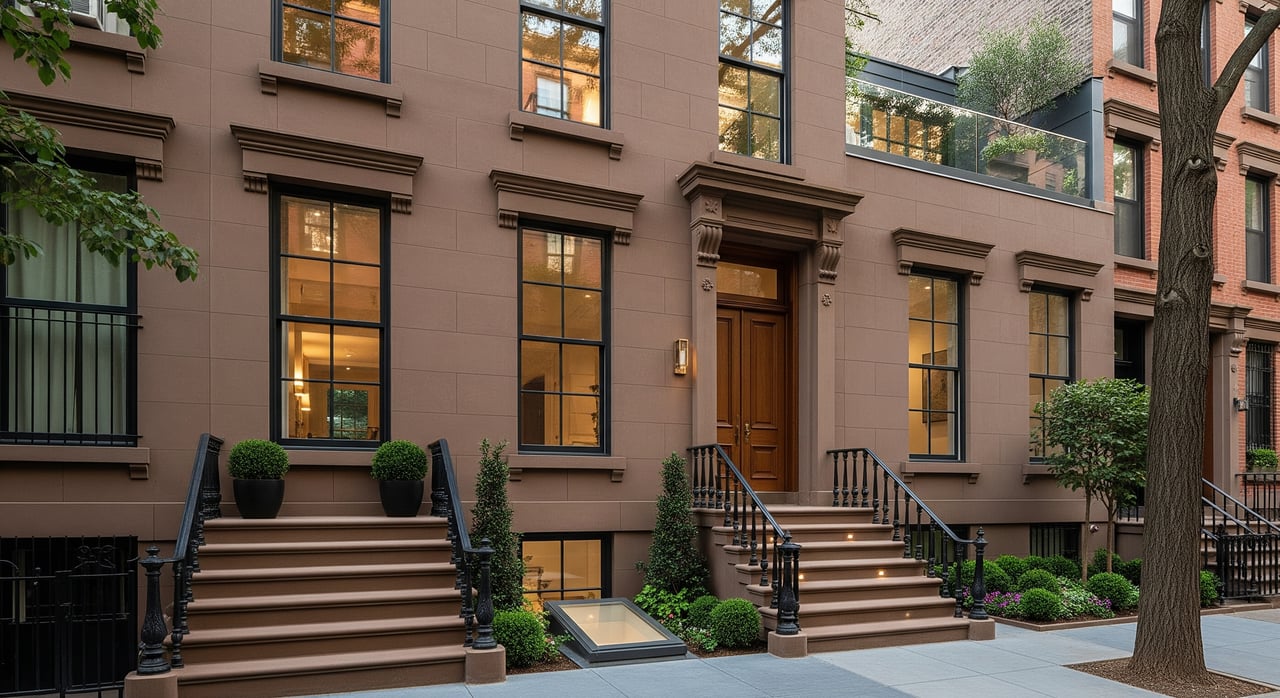
If you own a West Village townhouse, you know the charm is unmistakable. The challenge is aligning that character with what today’s buyers expect while staying on the right side of landmarks and building rules. The good news is that a focused plan can lift your resale value and reduce days on market without overbuilding.
In this guide, you’ll learn which upgrades deliver the most value in the West Village, how LPC and DOB approvals shape timelines, what to prioritize before you list, and how to plan your team and budget. Let’s dive in.
What West Village buyers value
West Village buyers pay premiums for historic character paired with modern comfort. You win when you preserve period details and improve everyday livability. Most buyers look for:
- A functional, modern kitchen with quality finishes.
- A primary suite with an en suite bath and organized closets.
- Updated bathrooms with great lighting and ventilation.
- Private outdoor space that is usable and well designed.
- In-unit laundry and reliable HVAC or multi-zone AC.
- Improved light, flow, and storage without losing authenticity.
Highest-impact upgrades
Kitchen modernization and layout
A thoughtful kitchen renovation is often the single most market-moving upgrade. Aim for efficient layout, durable stone or engineered counters, quality appliances, smart storage, and layered lighting. If you have original floors, mantels, or beams, highlight them while keeping cabinetry clean and timeless.
Primary bathroom upgrade or en suite creation
A well-scaled primary bath signals quality. Buyers respond to a walk-in shower, a separate tub where space allows, quality fixtures, good storage, heated floors as a plus, and strong ventilation. If your layout allows it, creating an en suite adds both privacy and value.
Outdoor space that works
Usable private outdoor space is rare and prized. Gardens, planted terraces, and compliant roof decks materially improve desirability. Roof decks often need LPC and DOB approvals, structural review, and sensitive design that limits street visibility. Plan early so you have time for review.
Primary suite reconfiguration
Consolidating rooms to create a true primary suite with a walk-in closet and en suite bath adds measurable appeal. Balance this against the total bedroom count so you do not reduce flexibility for future owners.
Laundry and mechanical modernization
An in-unit washer and dryer is expected in this segment. Upgrade HVAC to central or multi-zone systems or consider ductless mini-splits where ducts are impractical. Proper venting, sound control, and permits are essential.
Important but situational upgrades
Basement or cellar finishing
Finishing a cellar can be valuable if the space is legal and dry. Ceiling height, egress, ventilation, waterproofing, and DOB approvals determine whether the area can count as habitable space. Done right, this becomes a great rec room, office, or guest area. Done wrong, it becomes a sale risk.
Window restoration or replacement
Energy performance, acoustics, and light matter in townhouses. In landmark districts, LPC often prefers repair or in-kind replacement with historically accurate profiles. Restoration with weatherstripping or historically appropriate insulated solutions can balance performance and preservation.
Structural and building systems
Proactive work on the roof, drainage, foundation, electrical panels, and plumbing removes buyer objections. Address leaks, water intrusion, and obsolete systems before listing. Solving known issues protects price and improves negotiations.
Lower-cost improvements that still matter
Restore period details
Refinish original floors, repair plaster, and use a fresh, neutral paint scheme that showcases moldings, staircases, and fireplaces. Thoughtful restoration reads as care and quality.
Smart-home basics
Add programmable thermostats, a reliable security system, and robust Wi‑Fi coverage. These are expected conveniences with modest cost.
Storage and organization
Well-designed closets, built-ins, and discreet under-stair storage help every floor live larger.
Permits, landmarks, and legal checkpoints
Exterior work in much of the West Village falls under the NYC Landmarks Preservation Commission. Interiors are generally unregulated unless your interior is individually landmarked. Plan for:
- LPC approvals for facade work, stoops, cornices, windows, and visible rooftop elements.
- DOB permits for structural changes, mechanicals, plumbing, electrical, egress, and use or occupancy changes.
- Party wall agreements for structural or vertical work that affects shared walls.
- Zoning and bulk limits that shape roof additions and exterior expansions.
- Board approvals if your townhouse includes co-op or condo units with shared elements.
- Habitability rules if you plan any cellar conversion to living space.
- Potential incentives for energy efficiency and electrification through state, city, or federal programs. Confirm current eligibility and rules before you budget.
Build these steps into your timeline since reviews and inspections can take weeks to months depending on scope.
Cost and ROI signals in the West Village
Returns vary, especially in historic homes with complex approvals. In this neighborhood, buyers pay up for modern habitability that respects character. Instead of chasing a universal percentage, use a clear hierarchy:
- Fix structural, water, and code issues first.
- Add or improve legal, usable space such as a true bedroom, bath, or compliant cellar.
- Deliver expected conveniences like laundry and reliable HVAC.
- Improve outdoor access and usability.
- Modernize the kitchen and primary bath.
Relative cost guide for Manhattan townhouses:
- Cosmetic refresh: paint, floors, minor repairs. Lower cost with strong perceived lift.
- Kitchen renovation: moderate to high. High interest if executed with quality and a good plan.
- Bathroom renovation or en suite creation: moderate to high depending on plumbing complexity.
- Cellar conversion: moderate to high. ROI depends on legality and dryness.
- Roof deck addition: higher cost due to structure and approvals. High perceived value when permitted and well designed.
- Systems upgrades: moderate to high. Essential for sale readiness and lender comfort.
Expect longer timelines and higher costs than national averages due to access, labor, and preservation requirements. The payoff is better marketability in a top-tier neighborhood.
A step-by-step plan before you list
- Diagnose the property. Get a pre-listing walkthrough to identify code issues, water risks, and system deficiencies. Document historic features worth restoring.
- Map approvals and feasibility. Confirm whether planned work needs LPC and DOB filings. If a cellar or roof deck is on the wish list, validate structure, egress, and visibility early.
- Prioritize for value. Sequence structural fixes and systems, then kitchen, primary bath, primary suite, laundry, and outdoor space. Follow with cosmetic restoration.
- Set a realistic budget and timeline. Account for approvals, lead times, and neighbor coordination. Build in contingency.
- Design for broad appeal. Favor timeless finishes, quality fixtures, and layouts that improve flow and storage without over-customization.
- Execute permits and work. Use pros with West Village townhouse experience. Maintain records and close permits.
- Finish with staging and presentation. Highlight natural light, period details, outdoor moments, and upgraded systems. Include a clean, current set of plans if available.
Who you need on your team
- Architect with LPC and DOB experience.
- Licensed general contractor familiar with narrow-lot logistics.
- Historic preservation consultant for facade, stoop, and window work.
- Structural engineer for cellar and roof deck scopes.
- Permit expediter to navigate filings and inspections.
- Real estate advisor with West Village townhouse comps and buyer insights.
- Attorney for party wall and title questions when structural work is involved.
Timelines to plan for
- Cosmetic projects: weeks to a few months.
- Full kitchen or bathroom renovations: 3 to 6 months or longer based on scope.
- Exterior and rooftop scopes in historic districts: several months to a year with LPC and DOB reviews.
- Cellar conversions: several months with permitting, waterproofing, and inspections.
When to avoid over-improving
- Highly personal or niche finishes that limit broad appeal.
- Ultra-luxury add-ons that exceed neighborhood comparables.
- Unpermitted or noncompliant work that may complicate financing and delay closing.
Ready to plan your upgrade strategy?
A well-sequenced, landmark-smart renovation can unlock top-of-market pricing while preserving what makes your West Village townhouse special. If you want a clear, data-driven plan that balances approvals, budget, and buyer expectations, we can help you scope and prioritize before you spend.
Request a confidential strategy session with the Après Global Team at Compass.
FAQs
Which upgrades add the most value in West Village townhouses?
- Kitchens, primary suites with en suite baths, modernized bathrooms, usable private outdoor space, and in-unit laundry or upgraded HVAC typically generate the strongest buyer appeal.
Are roof decks allowed on West Village townhouses in historic districts?
- Roof decks may be permitted but require LPC and DOB review, careful attention to visibility from the street, structural sign-off, and compliance with zoning and bulk rules.
Is converting a cellar to living space legal in NYC townhouses?
- It can be if you meet egress, ceiling height, light, and ventilation standards and secure DOB permits; illegal or damp cellars are a liability and should be avoided.
Should I restore original windows or replace them in a landmarked townhouse?
- LPC often favors repair or in-kind replacement with historically accurate profiles; performance can be improved with restoration, weatherstripping, and approved insulated solutions.
How should I prioritize renovations before listing my West Village townhouse?
- Fix structural and systems issues, add or improve legal living space, deliver laundry and HVAC, modernize kitchen and primary bath, and then refine with outdoor upgrades and cosmetic restoration.
How long do approvals and renovations usually take in the West Village?
- Expect weeks to months for LPC and DOB reviews and 3 to 6 months or more for full kitchen or bath work, with exterior and roof scopes often extending the timeline to several months or a year.