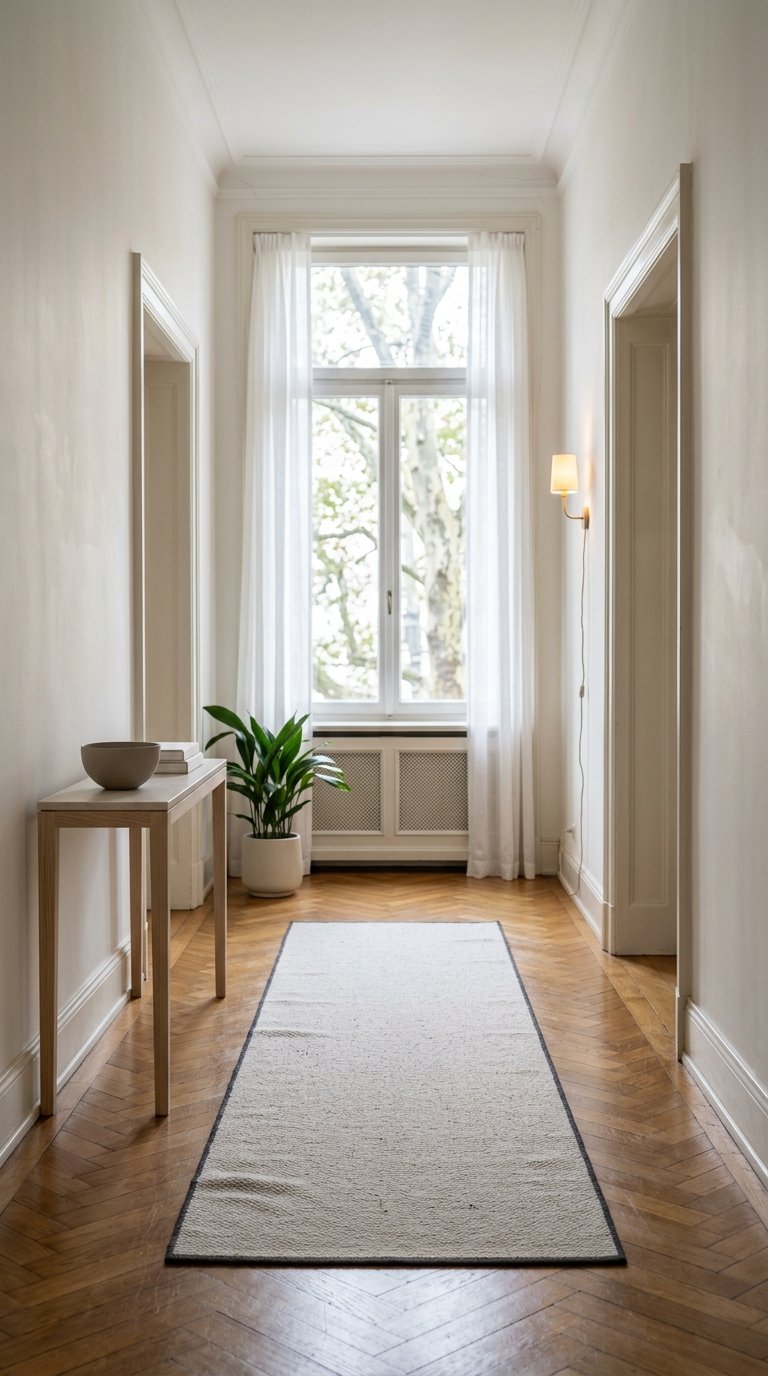
If you are trying to picture daily life on the Upper West Side, think less about a postcard version of Manhattan and more about a neighborhood built around rhythm. This is a place where park walks, coffee runs, museum stops, and evening performances can all fit naturally into an ordinary week. If you want to understand what living here actually feels like, the details matter, so let’s dive in.
A classic Manhattan feeling
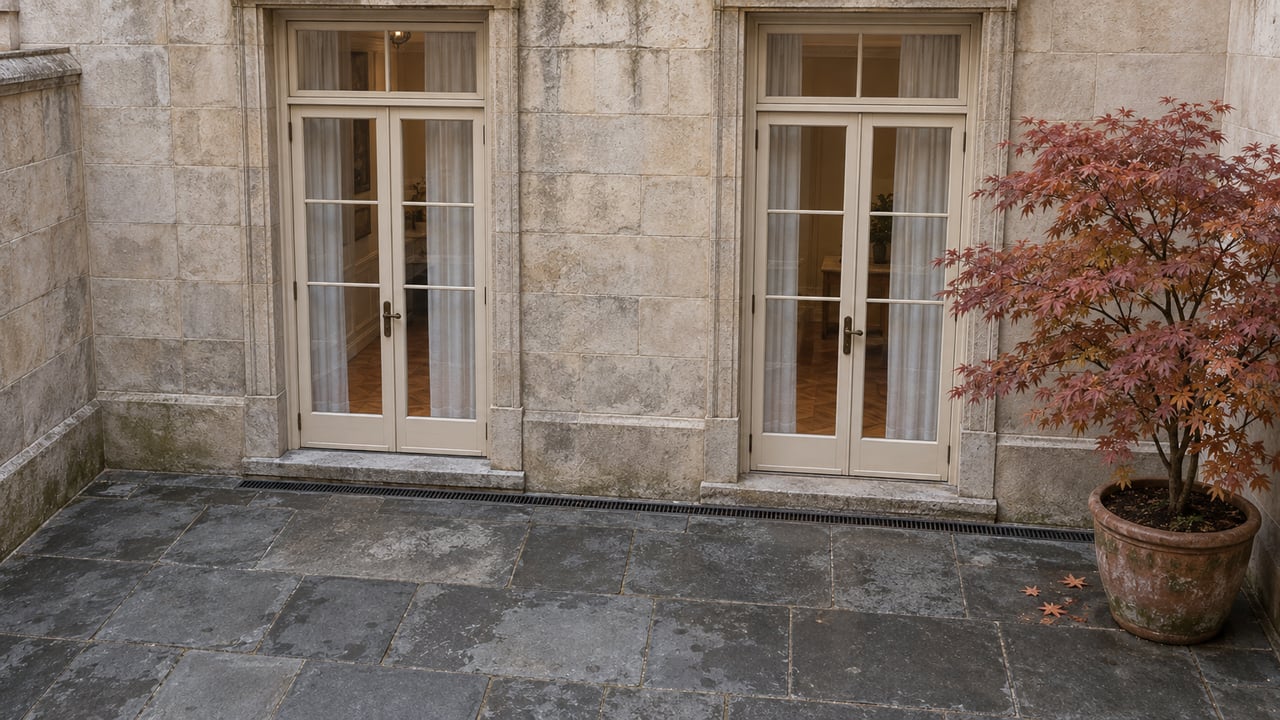
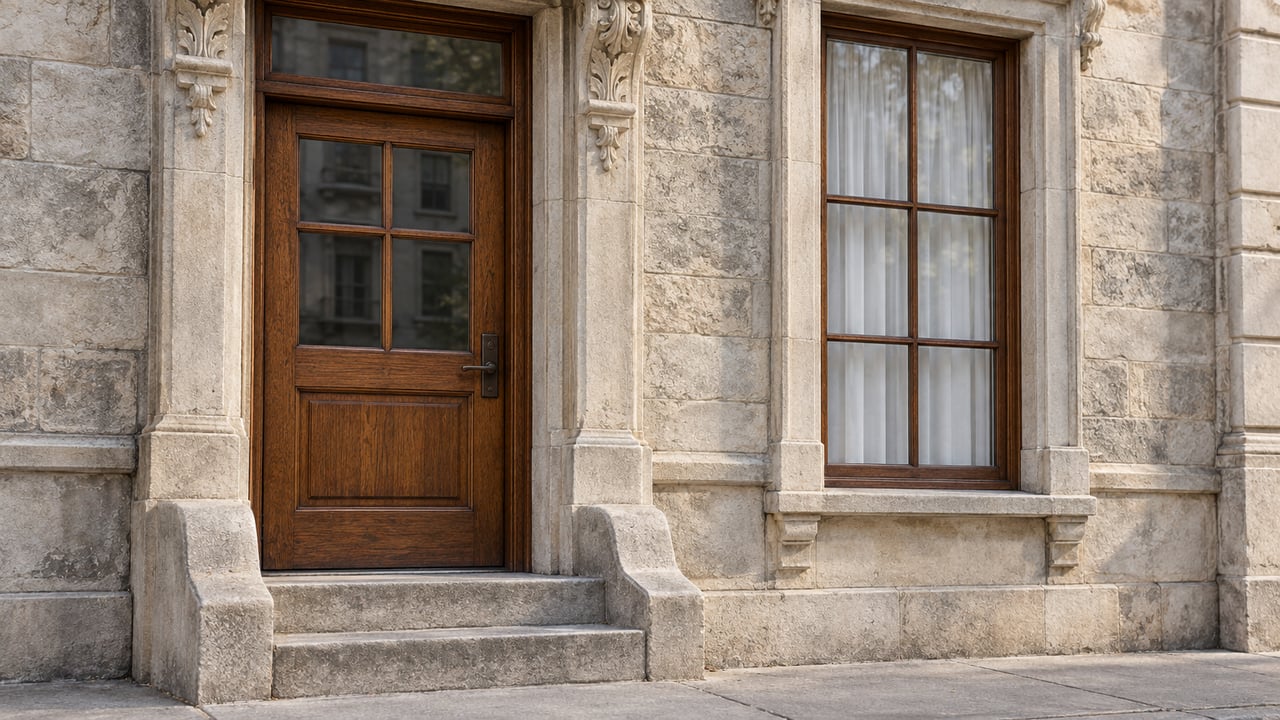
The Upper West Side has a distinctive sense of place because so much of its building fabric dates from the 1880s through the 1930s. According to the Upper West Side/Central Park West Historic District overview, the neighborhood includes a rich mix of row houses, apartment buildings, storefronts, and landmarked architecture that gives it a deeply established feel.
That historic backdrop shapes your day in subtle ways. You notice older apartment lobbies, tree-lined blocks, and streets that feel residential first and commercial second. The result is an area that feels lived-in, layered, and recognizably Manhattan without feeling overly polished or newly built.
The avenues and side streets feel different
One of the most important things to know about the Upper West Side is that it is not uniform. New York City Planning materials describe Broadway, Amsterdam Avenue, and Columbus Avenue as the primary commercial corridors, while many side streets have little or no commercial frontage.
In practical terms, that means your experience can change within a block or two. The main avenues feel active, convenient, and errand-friendly. Turn onto a side street, and the pace often shifts quickly to something quieter and more residential.
Central Park West feels formal
If you are drawn to grand architecture and direct park access, Central Park West has a particularly elegant feel. It sits along the neighborhood’s eastern edge and offers a front-row relationship with Central Park, along with a strong concentration of landmarked residential buildings, as noted by the Historic Districts Council.
Living near this corridor can feel more ceremonial than casual. The buildings are often visually striking, the park is right outside, and the atmosphere carries a refined, museum-adjacent energy.
Riverside Drive and West End feel calmer
On the western side of the neighborhood, Riverside Drive and West End Avenue tend to feel more cohesive and residential. The Riverside-West End Historic District designation report points to the area’s substantial apartment buildings and consistent residential character.
These blocks often appeal to people who want a quieter cadence without giving up Manhattan convenience. Riverside Park becomes part of daily life, and the streets can feel more local than performative.
Broadway, Amsterdam, and Columbus feel useful
The Upper West Side’s retail life is concentrated along Broadway, Amsterdam, and Columbus. City planning documents note that these are the neighborhood’s major commercial corridors, with Broadway in particular accommodating larger commercial spaces and Amsterdam and Columbus functioning as active multi-store corridors.
This is where daily errands tend to happen. The rhythm is practical rather than flashy, with groceries, cafés, bakeries, pharmacies, and casual dining spread across useful blocks instead of packed into one entertainment district.
The northern edge feels more varied
Farther north, around Manhattan Valley and Manhattan Avenue, the neighborhood becomes somewhat more mixed in building form. The Manhattan Avenue-West 120th-123rd Streets Historic District report describes a fabric that includes row houses and institutional buildings alongside residential uses.
That gives this part of the Upper West Side a slightly more varied and less uniform feel than the prime central corridor. For some buyers, that layered character is part of the appeal.
Daily life revolves around repeat rituals
What often defines life on the Upper West Side is not one headline attraction. It is the fact that major cultural and outdoor amenities become part of your regular week.
A museum visit, for example, does not have to feel like a special outing. The American Museum of Natural History sits on Central Park West between 79th and 81st Streets, with nearby subway access that makes it easy to work into an ordinary day.
Park time feels built in
The neighborhood is anchored by two major parks, and that changes how people use their free time. Central Park stretches from 59th to 110th Streets along Central Park West, while Riverside Park extends for 6 miles along the Hudson from West 59th to 181st Streets.
That gives you options depending on your mood and routine. Central Park can offer iconic paths and destinations, including the 1.58-mile Reservoir loop highlighted by the Central Park Conservancy. Riverside Park often feels more linear and neighborhood-oriented, with waterfront access and broad room for walking, running, and everyday outdoor time.
Evenings lean cultural
The Upper West Side often feels more cultural than nightlife-driven. Lincoln Center, located between West 62nd and 65th Streets and Columbus and Amsterdam Avenues, is home to 11 resident arts organizations, including the Metropolitan Opera and New York City Ballet, and offers both ticketed performances and free or outdoor programming.
For many residents, that shapes the neighborhood’s evening identity. A night out here may mean a performance, a plaza event, or a relaxed dinner on the avenues rather than a late-night scene.
It is a neighborhood designed for walking
From a livability standpoint, the Upper West Side supports a strongly car-light lifestyle. The Furman Center neighborhood profile reports an 88.5% car-free commute share in 2023 and a mean travel time to work of 31.2 minutes.
That data supports what many people feel on the ground. The neighborhood is set up for walking, transit, and repeat errands close to home. If you are relocating from a more car-dependent area, that can be one of the biggest lifestyle shifts and one of the biggest advantages.
Housing feels established, not static
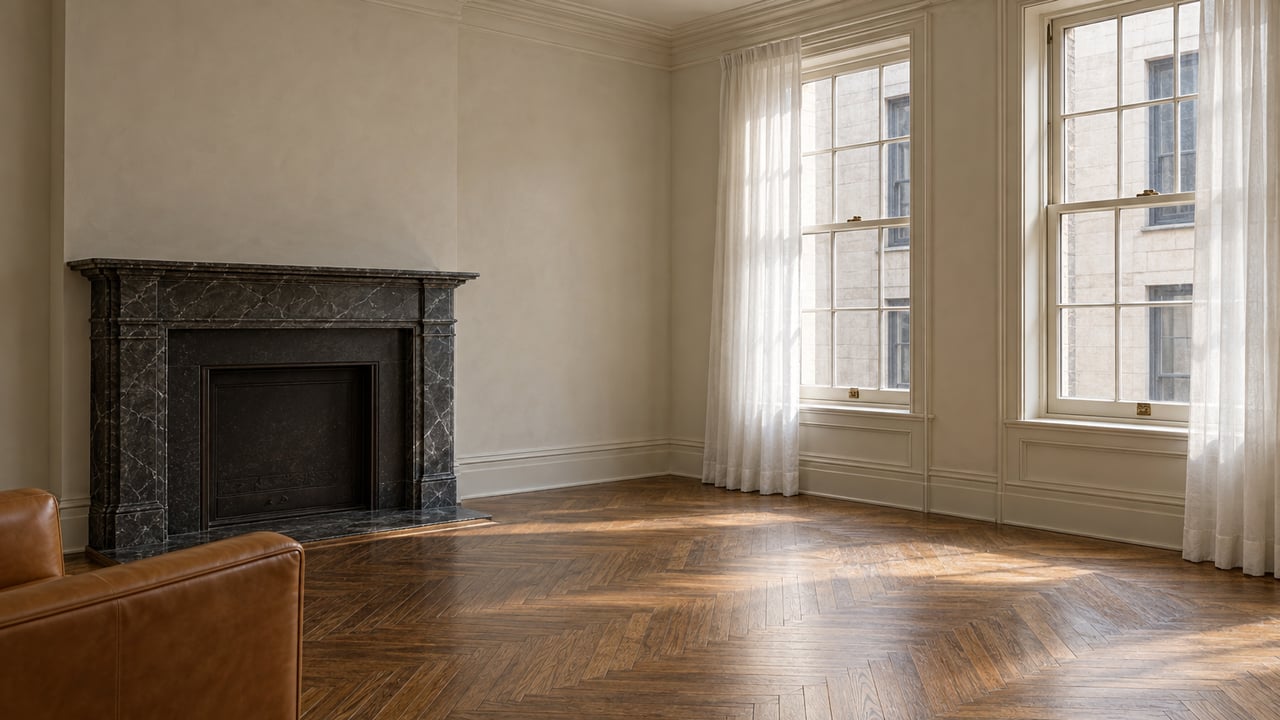
The Upper West Side is closely associated with prewar housing, and that reputation is well earned. Historic district materials show a neighborhood defined by older residential buildings, row houses, apartment towers, and preserved corridors across Central Park West, Riverside Drive, West End Avenue, and Manhattan Avenue.
For many buyers, that translates to homes with architectural character and a sense of permanence. The streetscape often feels cohesive, and the housing stock contributes directly to the neighborhood’s calm, classic identity.
Prewar and newer homes both exist
At the same time, the neighborhood is not frozen in the past. NYC Planning identifies postwar development such as Park West Village and Frederick Douglass Houses, and the Furman Center profile shows that 6,131 units in buildings with four or more units were built between 2010 and 2024.
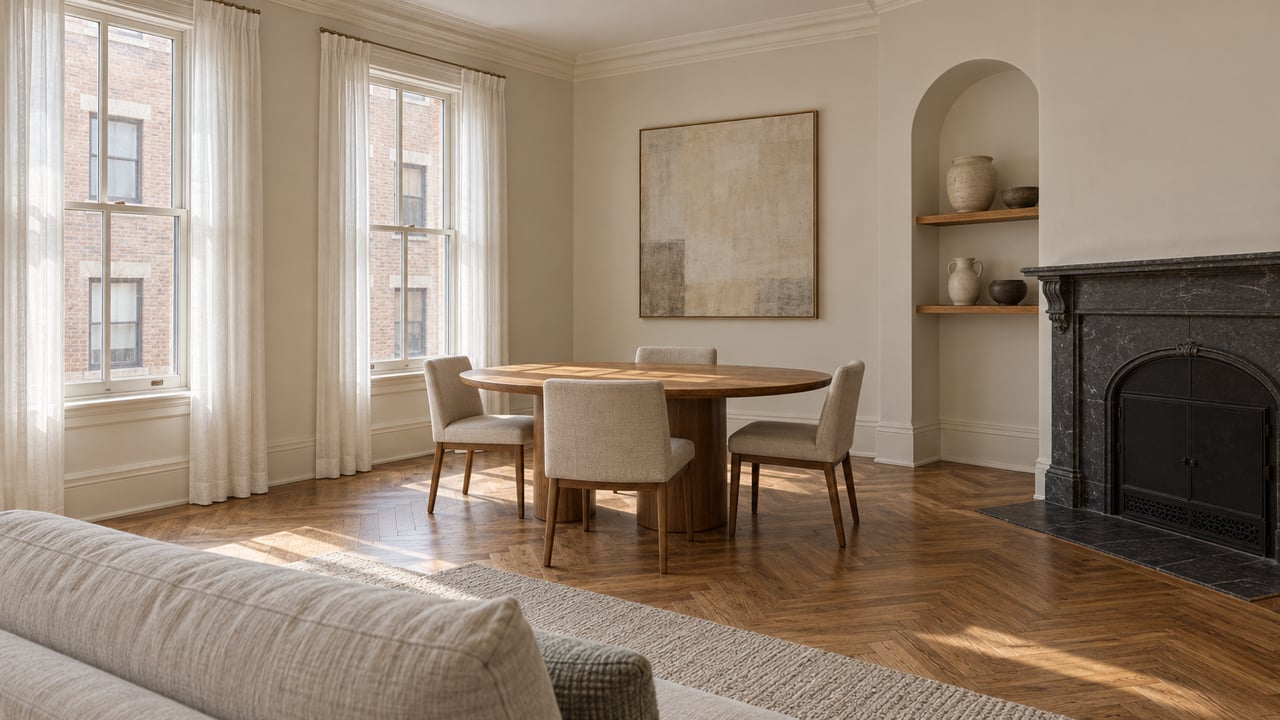
That mix matters if you are deciding what kind of living experience fits you best. Some buyers gravitate toward prewar co-ops for their larger rooms and architectural detail, while others prefer newer condos for more current finishes, elevator buildings, and less renovation uncertainty. Both options are part of the Upper West Side story.
Who tends to feel at home here
The Upper West Side often appeals to buyers who want Manhattan with a strong neighborhood identity. It can be a compelling fit if you value architecture, parks, cultural institutions, and the convenience of doing much of your life on foot.
It can also suit relocating executives and second-home buyers who want a residential environment that still connects easily to the rest of the city. The combination of historic character, daily convenience, and cultural depth gives the area a long-term, settled feel that many buyers find hard to replicate elsewhere in Manhattan.
What living here feels like in one sentence
Living on the Upper West Side often feels like having two parks, a set of trusted local routines, and some of New York’s most enduring cultural institutions woven into your everyday life. It is residential but not sleepy, refined but not remote, and practical in a way that becomes more valuable the longer you stay.
If you are considering a move to the Upper West Side and want discreet, senior-level guidance on how specific blocks, building types, and property options align with your goals, Après Global Team at Compass can help you navigate the market with clarity and care.
FAQs
What does daily life on the Upper West Side feel like?
- Daily life on the Upper West Side often centers on repeat routines like park walks, errands along Broadway, Amsterdam, or Columbus, museum visits, and evenings at cultural venues such as Lincoln Center.
What are the busiest parts of the Upper West Side?
- Broadway, Amsterdam Avenue, and Columbus Avenue are the neighborhood’s main commercial corridors, so they usually feel more active and convenience-oriented than the quieter side streets.
What is the difference between Central Park West and Riverside Drive?
- Central Park West generally feels more formal and park-facing, while Riverside Drive tends to feel more residential and calm with close access to Riverside Park.
Is the Upper West Side good for a car-free lifestyle?
- Yes. The Furman Center reports an 88.5% car-free commute share in 2023, which reflects a neighborhood built around walking, transit, and everyday errands close to home.
What types of homes are common on the Upper West Side?
- The neighborhood is known for prewar and landmarked buildings, though it also includes postwar and newer housing, giving buyers options that range from classic co-ops to more recently built condominiums.