Debating between a classic West Village townhouse and a top-floor penthouse to maximize privacy? You are not alone. Both offer rare appeal and command serious attention from high-net-worth buyers. In this guide, you will see how each option performs on privacy, outdoor space, services, carrying costs, and long-term flexibility so you can choose with confidence. Let’s dive in.
Market context: rare and highly specific
A quick reality check helps frame expectations. The West Village has a median sold price in the mid $1.9 million range, yet the luxury tier is driven by a small number of very high-value deals that sit far above that median. You can see this spread in the latest neighborhood snapshot for the area’s sales mix and pricing trends in the West Village market report.
On the penthouse side, trophy sales can be significant. A standout penthouse at 150 Charles Street closed around $60 million in 2025, a downtown benchmark that shows what new, amenitized buildings can command below 14th Street. Review the deal in PropertyShark’s 2025 top sales report.
Townhouses reach trophy levels as well when the lot, renovation, and scale line up. Recent examples include a combined West 11th Street property reported around $72.5 million, plus other notable sales on Morton and Bank Streets. See a roundup of high-end townhouse trades in this survey of Manhattan townhouse sales.
Bottom line, inventory for both penthouses and single-family townhouses is thin and highly idiosyncratic. Your comparison should be property specific.
Privacy in daily life
Townhouse privacy: control and discretion
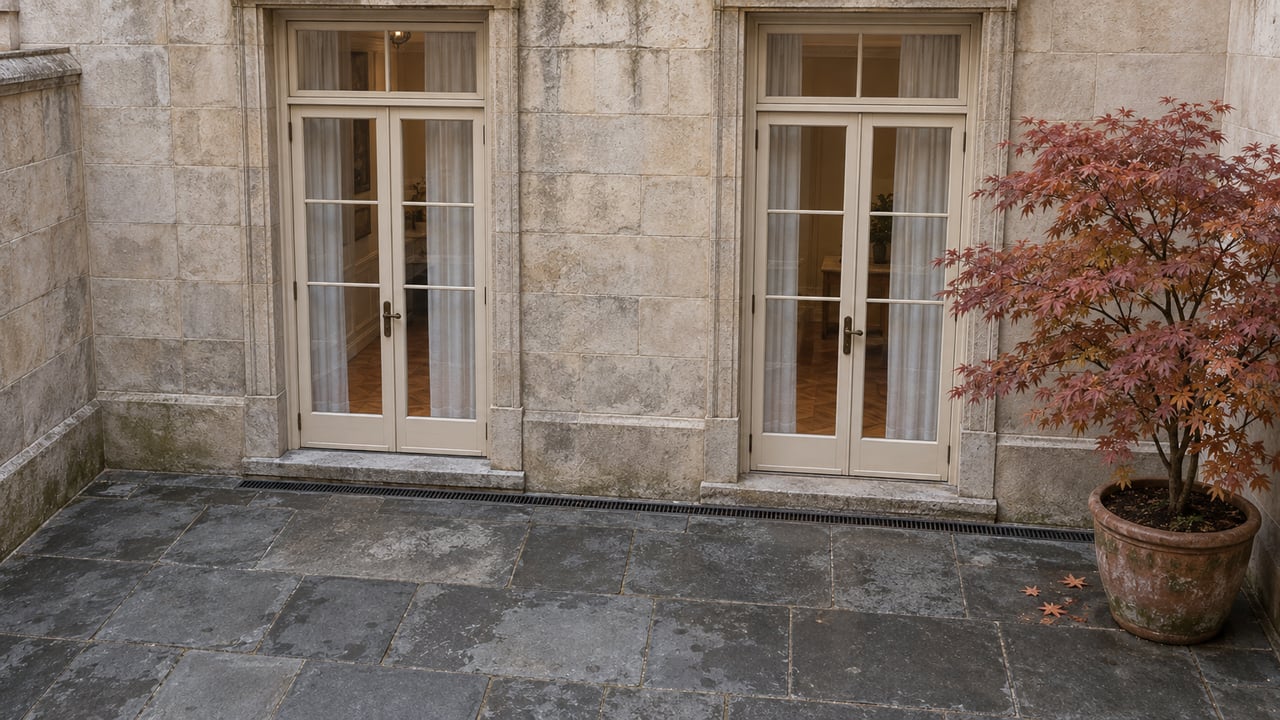
A townhouse gives you a private street entry, independent utilities, and full control over access. Deliveries, screening, and household staff routines happen on your terms. Your rear garden is yours alone, and the day-to-day experience feels self-contained.
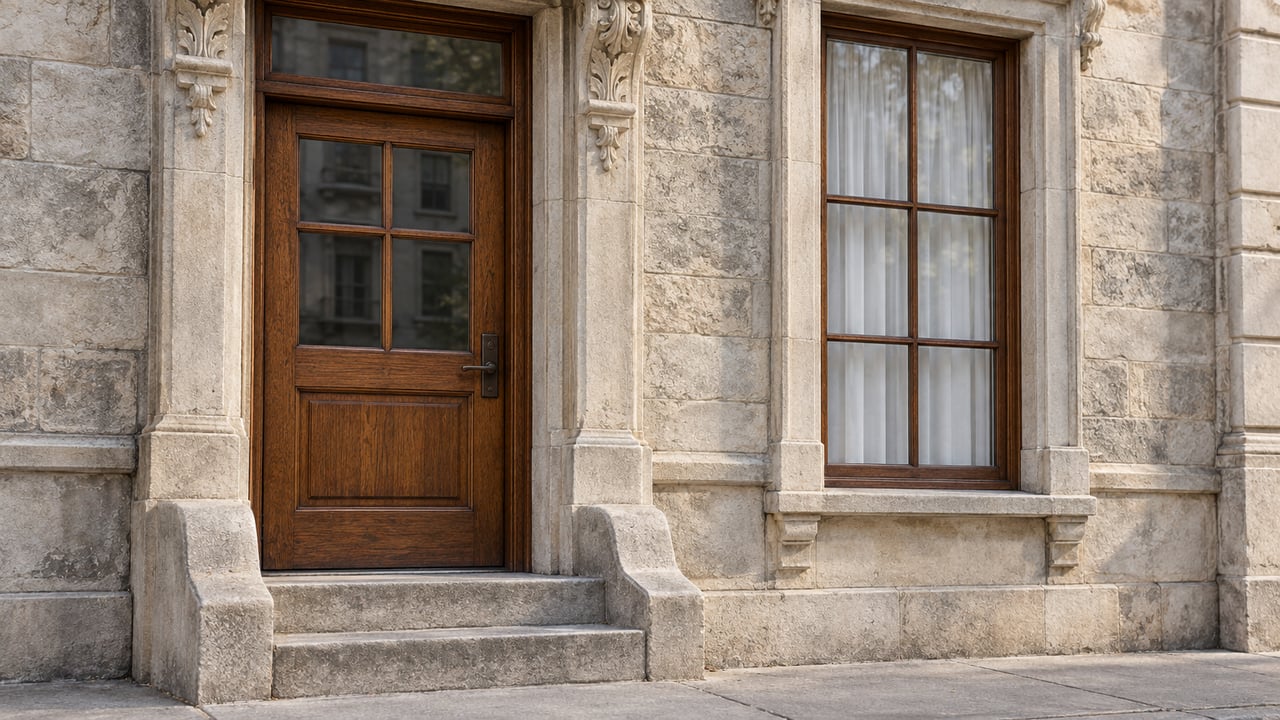
There are tradeoffs. Street life brings more interaction with pedestrians, service vehicles, and neighbors at the block level. Many West Village townhouses also sit within historic districts, which means exterior changes can require Landmarks Preservation Commission review. If you plan exterior work, confirm whether the address falls in a designated district and what that implies for timing and privacy during construction.
Penthouse privacy: vertical separation with services
A penthouse removes upstairs neighbors and often delivers keyed or private elevator landings that shape a controlled arrival experience. Full-floor layouts with direct elevator access are a known privacy feature in high-end buildings, as seen in CityRealty’s overview of private elevator residences.
Caveats exist. Terrace areas can feel more visually open to neighboring roof decks, and amenity floors or rooftop events may add intermittent traffic. You also live with regular building staff and vendor activity, which is convenient yet not completely invisible.
Outdoor space and exposure
Gardens: intimacy and ground-level risks
Townhouses commonly offer private rear gardens, planted terraces, and layered outdoor rooms that feel secluded. That intimacy is a major draw. The practical tradeoff is environmental risk at or below grade. After Superstorm Sandy, several West Village basements and ground floors encountered flooding, which is a reminder to verify lot-specific flood exposure and any mitigation in place. For local context, see Village Preservation’s Sandy retrospective.
Terraces: light, views, and building rules
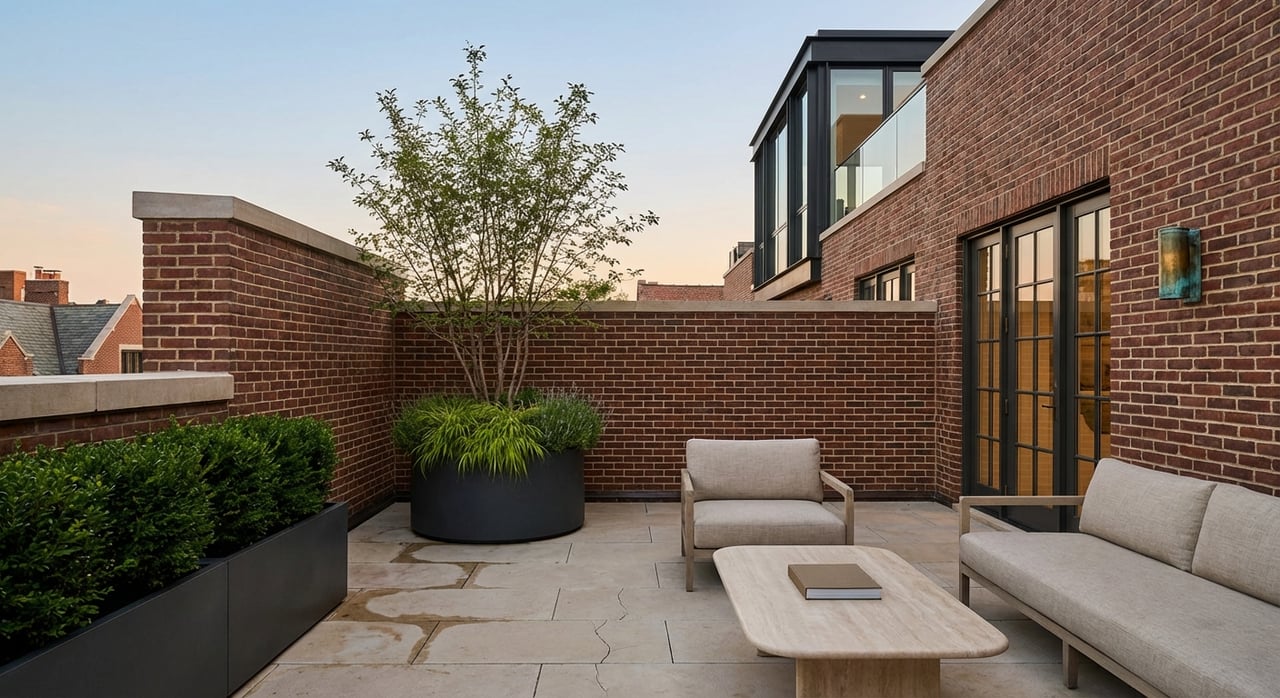
Penthouse terraces deliver sunlight, skyline and river vistas, and larger contiguous outdoor areas. In dense areas, roof decks can sit within sightlines of neighboring terraces, and some buildings program shared roof amenities that influence privacy. Review building rules on roof use, event policies, and maintenance responsibilities.
Services and carrying costs
Townhouse model: you own the whole playbook
With a townhouse, you pay property taxes directly and manage all systems, insurance, and vendors. You control staffing, seasonal maintenance, and any capital upgrades. This concentrates decision-making and responsibility inside your household budget. The advantage is full autonomy with no building board, and the tradeoff is hands-on management or the need for a reliable facilities team.
Penthouse model: service-forward, with building obligations
In a condo, you typically pay monthly common charges that fund staff, concierge, building insurance, and reserves, plus separate real estate taxes. In a co-op, a single maintenance bill usually includes the building’s tax portion. To get a feel for monthly costs in the neighborhood, review a large co-op example where maintenance is in the low to mid $3,000s on some units, such as this 61 Jane Street listing. Actual figures will vary by building and unit.
Two New York City laws can influence future costs in larger buildings. Local Law 97 sets greenhouse gas targets for most buildings over 25,000 square feet, with the first compliance reports using 2024 data due in 2025. Ask for the building’s decarbonization plan and any assessment timeline. Read more on Local Law 97 from NYC DOB.
Local Law 11, also called FISP, requires facade inspections for buildings over six stories on a five-year cycle. Active facade work can lead to temporary sidewalk sheds and capital projects. Confirm a building’s filing status and any outstanding items. See the FISP overview from NYC DOB.
Taxes, insurance, and risk
New York City taxes residential properties using classes. For fiscal year 2026, the published rates were Class 1 at 19.843 percent and Class 2 at 12.439 percent, among others. Townhouses used as one to three family homes are usually Class 1. Condos and co-ops are typically Class 2. Since assessment mechanics differ by class, always compare the effective tax burden, not just the headline rate. You can review the city’s rate table on NYC Department of Finance.
Insurance structures also differ. Condo owners usually carry an HO-6 policy for interiors and personal property while the association’s master policy covers the building envelope and common areas. Townhouse owners carry a homeowners policy for the whole structure. If a property sits in or near a flood zone, ask about flood insurance options and building-level mitigation enacted after Sandy.
Flexibility, financing, and resale
Co-op vs. condo rules and financing
If you may rent or prefer easier transferability, condo ownership usually provides more flexibility on subletting and buyer approval. Co-ops tend to impose stricter board vetting, higher down payments, and tighter sublet rules. These differences affect your exit strategy and the future buyer pool. For a clear overview of rules and norms, see StreetEasy’s co-op vs. condo guide.
Financing also varies. Lenders underwrite townhouses like single-family homes. Condos typically allow more loan product options and lower down payment thresholds than co-ops, which can require greater liquidity. Understanding these distinctions helps align your purchase with future liquidity goals.
Resale profile
Penthouses in full-service buildings often appeal to an international buyer base that prioritizes turnkey services and views. Townhouses are rarer and more site specific, which can narrow the buyer profile but also preserve value for privacy-first owners who want autonomy. Recent downtown sales show both formats can achieve similar trophy pricing when scale, location, and finishes align.
Decision checklist: which fits your priorities
Use this quick framework to test fit.
- Choose a West Village townhouse if you want full control, a private garden, the ability to host at home with discretion, and no building board. You are comfortable managing systems, vendors, and any exterior work within historic guidelines.
- Choose a penthouse if you want vertical separation, keyed or private elevator access, full-service staffing for an on-the-go lifestyle, skyline or river views, and generally easier resale or rental flexibility depending on building rules.
Due diligence essentials before you bid
Work from facts to protect your time and capital.
- Verify the property’s tax class and recent bills. Use the rate table to calculate effective burden, not just the published percentage.
- Confirm historic district status and any prior Landmarks approvals or denials, including rooftop massing changes.
- If in a building, review HOA or co-op financials, reserves, upcoming capital projects, and the Local Law 97 plan and timeline for compliance.
- Check FISP status for any building over six stories, including current cycle filings and whether any work is planned.
- Map flood risk and ask about Sandy-era impacts on the block or building, plus any mitigation.
- For co-op or condo, confirm sublet and short-term rental policies if you plan to rent the unit.
- For a penthouse, confirm terrace rights, roof-use rules, and cost responsibilities. For a townhouse, commission full engineering on foundation, roof, plumbing, and any cellar work.
When you want privacy in the West Village, both a townhouse and a penthouse can deliver it in different ways. One gives you a self-contained city house with a walled garden. The other pairs vertical separation with services and security that travel well with your life. If you would like a discrete, property-specific comparison with carry projections and risk review, connect with the Après Global Team at Compass. We will help you align your lifestyle goals with the right asset, then execute with precision.
FAQs
What makes a West Village penthouse feel private compared to other units?
- The top floor eliminates upstairs neighbors, and many luxury buildings offer keyed or private elevator landings that create a controlled arrival experience, as noted in CityRealty’s survey of direct-access residences.
How do townhouse and penthouse outdoor spaces differ on privacy?
- Townhouse rear gardens offer enclosed, one-to-one privacy, while penthouse terraces deliver light and views but may sit within sightlines of other roof decks or amenity areas.
Which option has more predictable monthly costs, townhouse or penthouse?
- A penthouse in a full-service building concentrates costs in common charges and taxes, while a townhouse owner pays all operating expenses directly and manages seasonal and capital work, so predictability depends on the specific asset and its condition.
Do New York City regulations add extra costs to penthouse ownership?
- Larger buildings may face Local Law 97 decarbonization work and FISP facade cycles, which can lead to assessments or capital projects, so review the building’s compliance plan and reserves.
How do NYC property tax classes affect my carry?
- Townhouses used as one to three family homes are typically Class 1 and condos or co-ops are usually Class 2, and since assessment methods differ you should compare the effective tax burden using the city’s published rates.
Are West Village townhouses at higher flood risk than penthouses?
- Ground-floor and cellar spaces can face greater flood exposure in certain blocks near the Hudson, as seen during Sandy, so request flood maps and mitigation details for any specific lot.