Considering a new condo in West Chelsea? You are likely drawn to the High Line, river views, and sleek buildings with hotel-level amenities. Buying new construction here can be rewarding, but the process has unique terms, documents, and timelines. In this guide, you will learn how West Chelsea’s new-development market works, what to review before you sign, and how to reduce risk while protecting value. Let’s dive in.
Why West Chelsea stands out
West Chelsea sits roughly from 14th Street to about 30th Street, west of Sixth Avenue toward the Hudson River. Exact boundaries can vary by map and listing service. The neighborhood’s appeal includes the High Line, dining and retail corridors, art galleries, and proximity to Hudson Yards and Midtown West. Access to subway lines and car-free commuting options adds to daily convenience.
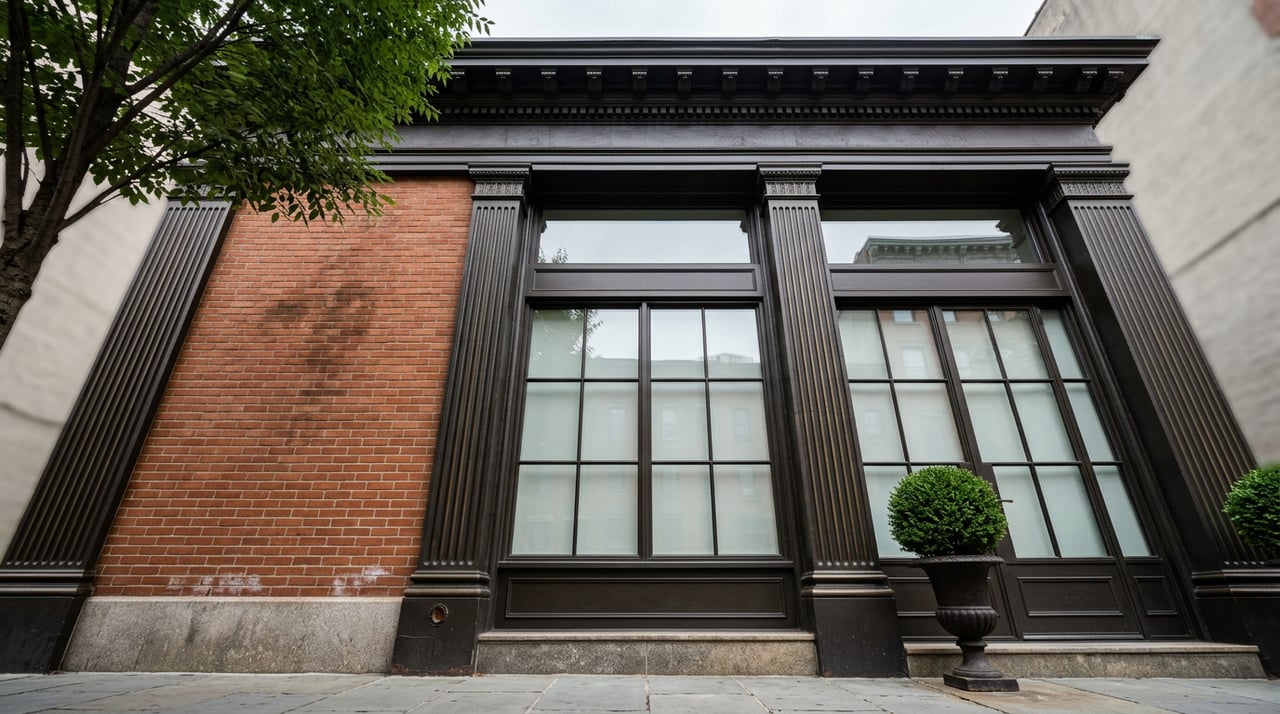
You will find a blend of prewar walk-ups, loft conversions, boutique condos, and larger luxury projects. New construction has increased since the High Line and Hudson Yards-led redevelopment. The result is a set of modern buildings with high-end finishes and a focus on service and amenities.
What you will find on the market
Building types and amenities
Most new projects are condominiums with features like a doorman, fitness center, roof deck, resident lounge, package rooms, bike storage, and sometimes valet or parking. Boutique condos offer high-quality finishes with fewer shared spaces. Mixed-use projects often include retail or cultural uses at the base. New ground-up co-ops are less common than condos.
Typical layouts
You will most often see one to three bedrooms, with some junior one-bedrooms and larger full-floor or multi-bedroom homes. Studios and micro-units are less common at the higher end. Parking is limited and priced at a premium, while private storage and bike rooms are common and may carry separate fees.
Pricing and trends
New-development pricing in West Chelsea is generally at or above Manhattan averages due to location and amenities. Premiums are typical for High Line-adjacent homes and for larger residences with river views. Time on market and developer concessions vary with conditions. In slower periods, you may see closing-cost credits or other incentives.
How the buying process works
Presale vs finished inventory
In a presale, you sign a contract based on the condominium Offering Plan. Deposits are staged and increase after contract signing. Completion dates and closing timing are key parts of the deal. For finished or resale-in-new-build units, the process looks more like a standard purchase with the ability to occupy after closing.
Key documents to review
For condos, the Offering Plan is your roadmap. It includes bylaws, the operating budget, reserves, common charges, tax treatment, parking and storage allocations, and rental policies. For co-ops, you would review the proprietary lease, stock certificate, financial statements, house rules, and board application process. Your attorney should confirm escrow protections for deposits, disclosure requirements, and any developer rights that could affect future phases.
Deposits and financing
Deposit schedules vary by project. They can be substantial and may become nonrefundable after certain milestones. Financing for completed units follows a conventional path. For presales, some buyers use bridge approaches or construction-to-permanent options, while others pay all cash. Pre-approval or proof of funds helps you negotiate and prepare for any board or building-level financial reviews.
Closing costs and carrying costs
Budget for the following categories, then verify current rates with official city and state sources:
- Mortgage recording tax for financed condo purchases
- Title insurance and lender fees
- Buyer’s attorney fees
- New York City and New York State transfer taxes where applicable
- Mansion tax, which may apply at specific price thresholds
- Monthly common charges or maintenance and real estate taxes, which may reflect abatements if available
- Utilities, storage, parking, and amenity fees, plus potential special assessments
Your attorney and accountant can estimate the full cash at closing and the monthly number you will carry after you move in.
Rules that affect ownership and use
Condo and co-op constraints
Co-ops generally require board approval, extensive financial disclosures, and interviews. They often limit subletting and short-term rentals. Condos tend to be more flexible, but many newer condos include rental or subletting rules in their bylaws. Always confirm the Offering Plan or proprietary lease.
Occupancy timing
In presales, occupancy often begins after the building has a Certificate of Occupancy and the final closing schedule is set. Delays can happen due to permits, financing, or labor conditions. Your contract should describe remedies and any interim occupancy arrangements if you move in before final closing.
Local regulations and building-level risks
Ongoing construction in West Chelsea can produce temporary noise, scaffolding, and traffic. Zoning overlays near the High Line and Hudson Yards shape future development, so block-by-block context matters.
Local Law 97 sets emissions targets for large buildings that may require retrofits. New developments often plan for energy performance, but you should confirm projected compliance and any potential capital needs. Also review tax abatement status or PILOTs if applicable, along with expiration dates, since changes can alter your monthly taxes.
A practical due-diligence checklist
Pre-offer
- Secure lender pre-approval or gather proof of funds, and estimate carrying costs.
- Research the developer’s history, delivery track record, and any litigation or warranty claims.
- Review recent neighborhood comparables to understand price per square foot and absorption dynamics.
Contract and legal review
- Hire a Manhattan real estate attorney with new-development experience.
- For condos, have your attorney and accountant review the Offering Plan budget, reserves, bylaws, developer control, and projected assessments.
- For co-ops, review the proprietary lease, financials, flip tax, subletting policy, and house rules.
Financial and tax checks
- Confirm city and state transfer taxes, mortgage recording tax if financing, and the mansion tax based on your price.
- Verify any tax abatement or PILOT coverage for the unit and the timing of expiration.
- Estimate your post-closing common charges or maintenance and property taxes.
Physical and systems review
- For finished units, obtain an inspection, review mechanical systems, and confirm warranty coverage.
- For presales, request details on HVAC, energy performance, finish specifications, and any upgrade pricing schedules.
Amenities, parking, and storage
- Confirm what is included in common charges versus billed separately.
- For parking, verify ownership type, transferability, and cost.
- For storage and bike rooms, confirm allocation rules and fees.
Occupancy and timeline
- Confirm estimated delivery and contractual remedies for delay.
- Understand any interim occupancy charges and requirements, plus the certificate of occupancy status.
Resale and rental outlook
- Review bylaws or the proprietary lease for rental rules and minimum lease periods.
- Compare resale data and appreciation trends for similar buildings and locations.
Strategies to secure value
- Target line and view: Premiums rise near the High Line and for river exposures, so weigh view against interior square footage and layout utility.
- Compare total monthly costs: Two similar prices can have different monthly outcomes after taxes, abatements, and amenity fees.
- Leverage market conditions: In slower periods, you may negotiate closing-cost credits or other concessions.
- Focus on building health: Strong reserves, realistic budgets, and clear governance reduce the risk of surprise assessments.
Managing timing and delivery risk
Construction timelines can shift. Protect yourself by clarifying delivery windows, remedies for delay, deposit protections, and what happens if the schedule extends. In presales, confirm which phase of the Offering Plan covers your unit and any developer rights that could affect amenities, future components, or common elements.
Work with senior advisory
New-development purchases in West Chelsea reward careful review and precise negotiation. A seasoned team helps you interpret Offering Plans, model total monthly costs, stress-test delivery timelines, and pursue concessions when conditions allow. If you would like discreet, senior-led guidance from contract through closing, connect with the Après Global Team at Compass.
FAQs
What are West Chelsea’s boundaries and why do they vary?
- West Chelsea generally spans from about 14th to 30th Street, west of Sixth Avenue toward the Hudson River, and boundaries can differ by map and listing service.
How should I budget closing costs for a new West Chelsea condo?
- Plan for mortgage recording tax if financing, title and lender fees, attorney fees, city and state transfer taxes, and a mansion tax if applicable, then verify current rates.
What is a condominium Offering Plan and why does it matter?
- The Offering Plan details bylaws, budgets, reserves, taxes, and building rules, so your attorney should vet it to confirm operating costs and restrictions before you sign.
How do presale deposits work in new developments?
- Deposits are staged and may become nonrefundable after certain milestones, so review the schedule, escrow terms, and any protections with your attorney.
How can Local Law 97 affect my future costs?
- Large buildings must meet emissions targets, and while new projects plan for performance, you should confirm projected compliance and any potential retrofit costs.
What should I know about rental rules in new West Chelsea condos?
- Many condos allow rentals but may set minimum lease periods or limits in the bylaws, so confirm exact policies in the Offering Plan.
How do parking and storage typically work in new buildings?
- Parking is limited and priced at a premium, and storage or bike rooms often have separate allocations and fees that you should confirm in writing.
How do I evaluate a developer’s track record?
- Review past projects, press, public filings, and any litigation or warranty claims to assess delivery timing and build quality history.
Are tax abatements available on new West Chelsea condos?
- Some projects carry abatements or PILOTs with set expiration dates, so confirm the presence and timeline and model your taxes after expiration.