Looking for a Manhattan asset you can own and be proud of in ten years, not just ten months? Tribeca offers a rare mix of historic lofts, limited new trophy condominiums, waterfront access, and steady civic investment that many long-hold owners prize. If you want a property that can anchor a portfolio, you need clear context on what drives value here, how to underwrite risk, and how to match the right building to your strategy. This guide gives you a focused, investor-first view so you can move with confidence. Let’s dive in.
Why Tribeca works long term
Scarcity created by history
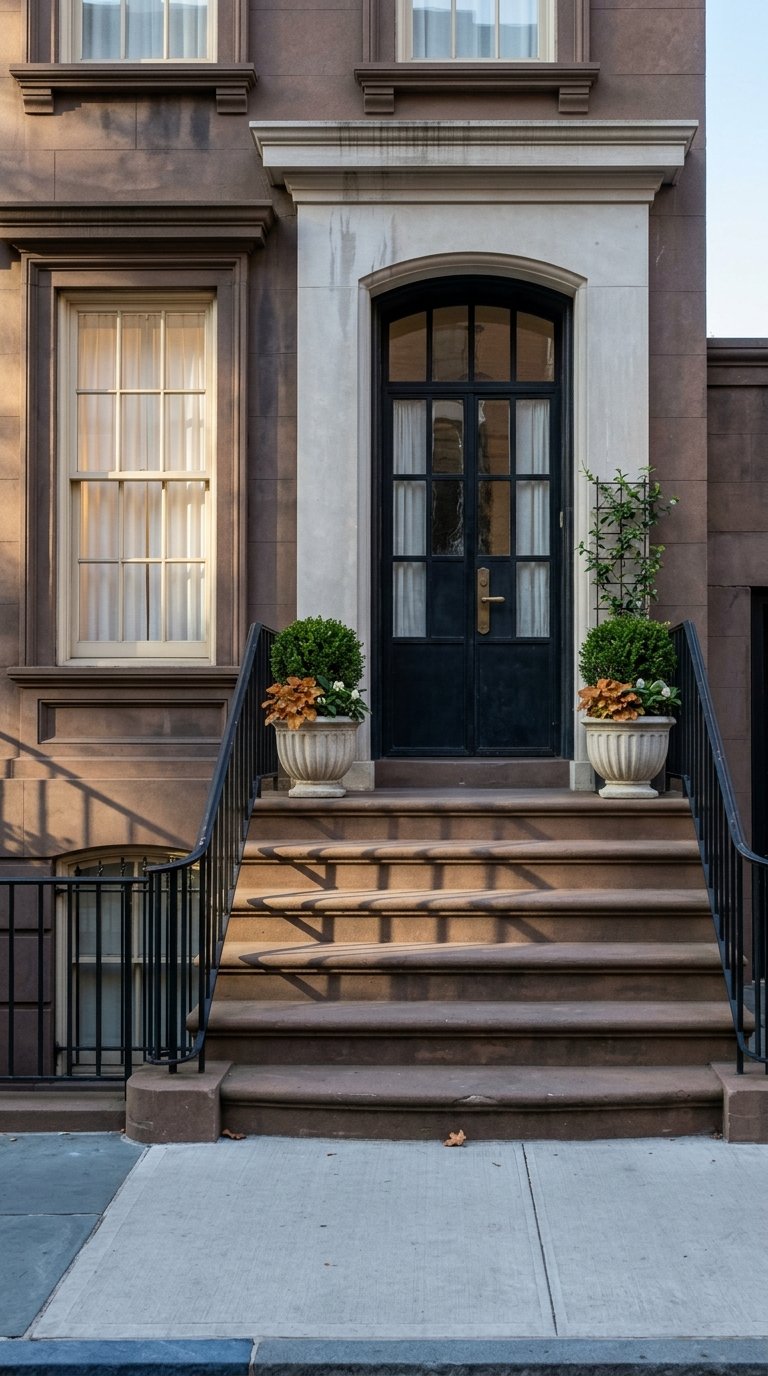
Tribeca’s most coveted homes were born from 19th and early 20th century warehouses converted to residential use. Landmark designations across Tribeca North, South, East, and West limit large-scale demolition and preserve the streetscape, which reduces the future supply of comparable loft product. That protection and the neighborhood’s cast-iron and brick fabric help explain why big, character-rich lofts remain hard to replicate. You can review the official designation context through the Landmarks Preservation Commission’s Tribeca South report to understand how rules shape supply and value over time (NYC LPC historic report).
Lifestyle and civic anchors
Buyers value Tribeca’s cobblestone blocks, riverfront access, and a compact, walkable feel. Hudson River Park and the nearby piers offer daily recreation and skyline views, while local cultural programming keeps the neighborhood top of mind for global luxury buyers. Public school options such as P.S. 234 provide an additional draw for many households seeking stability and routine in Lower Manhattan (NYC DOE P.S. 234). These steady demand drivers complement the physical scarcity story.
Public investment in resilience
Lower Manhattan has a clear plan for climate adaptation. The City’s Lower Manhattan Coastal Resiliency program is a multi-year effort that fortifies the waterfront and public realm in response to storm surge and sea level projections. For long-hold owners, this investment mitigates risk over time, even as it introduces periods of construction and detours you should account for in hold-period plans (NYCEDC LMCR overview).
What you can buy in Tribeca
Converted lofts: character and control
Converted lofts offer large, flexible floorplates, high ceilings, and oversized windows inside boutique buildings. Many early conversions are co-ops with stricter board approvals and subletting rules, while boutique condos often provide clearer rental and resale flexibility. Governance drives outcomes, so verify sublet policies, transfer rules, reserve studies, and any litigation before you underwrite (CNYC co-op and condo resources). Older masonry buildings also face periodic exterior work and inspection requirements. New York City’s Façade Inspection and Safety Program, often called Local Law 11, is central to budgeting for capital reserves and potential assessments (NYC DOB FISP).
Trophy new-development condos: prestige and amenities
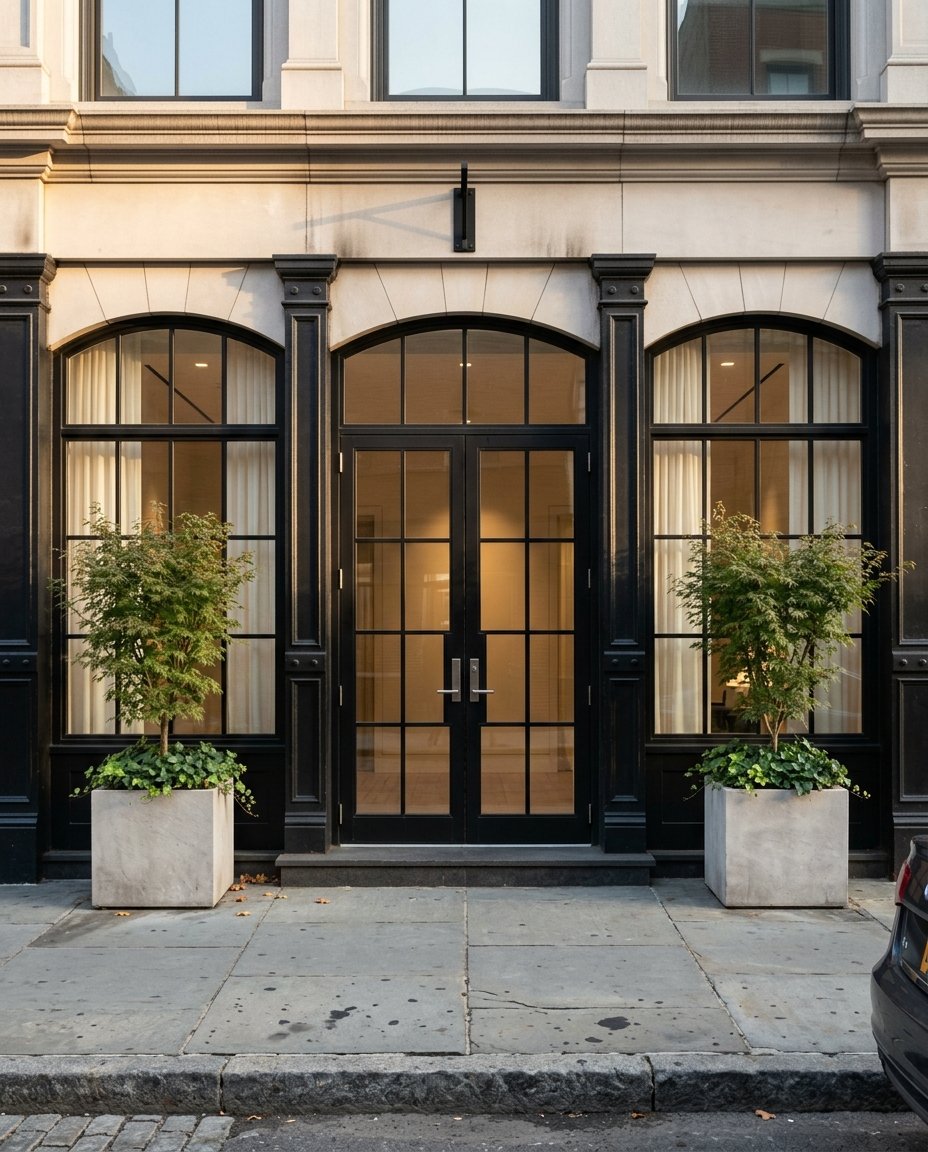
Modern Tribeca towers deliver architecture, services, and privacy tailored to global high-net-worth buyers. Examples include sculptural addresses like 56 Leonard, waterside residences like 70 Vestry, and skyline-forward buildings such as 111 Murray. These buildings feature concierge services, pools, fitness and spa programs, and discreet arrivals. Price points can limit the buyer pool, which can concentrate both prestige and liquidity risk, so plan for longer marketing windows at exit.
Market snapshot and demand drivers
Prices and rents today
As of January 2026, Realtor.com’s neighborhood snapshot shows a Tribeca median sale price around $4.50 million and a median rent near $7,495 per month. Both figures sit well above Manhattan averages and reflect the neighborhood’s luxury mix. In a small, high-end market, medians can move with a handful of trades, so read them as directional. For broader context, pair any neighborhood check with current Manhattan reporting to understand inventory, cash activity, and new development trends (Douglas Elliman Manhattan report).
Who buys here and why it matters
LLCs and cash buyers remain active across Manhattan’s luxury tiers, Tribeca included. Elevated shares of entity and all-cash purchases can speed closes but also affect price discovery and timing at exit. If your strategy depends on financing-driven buyers, build extra time into sale assumptions and stress-test bid-ask spreads (PropertyShark buyer types 2025).
Strategy: matching hold period to product
Core hold, 10 or more years
If your goal is to own a singular property that compounds brand and architectural value, set a decade-plus horizon. Scarcity, board processes, and episodic liquidity reward patience. This approach often fits full-floor lofts or signature condos that serve as legacy holdings.
Income-oriented, 5 to 10 years
If you prefer cash flow while you wait for appreciation, focus on investor-friendly condos with clear leasing rights and strong tenant appeal. Tribeca rents are high in absolute terms, yet purchase prices keep gross yields low by national standards. Underwrite conservative vacancy, realistic fit-out and operating costs, and a wider cap-rate sensitivity range to reflect market cycles.
Value-add, timeline by plan
Repositioning a loft or boutique condo can unlock value, but timing risk is real. Co-op governance, landmark approvals, and Local Law obligations can slow execution. Validate building health, capital plans, and approvals path before you commit.
Quick underwriting checks
- Start with current asking and achieved rents by bedroom count, then test gross yield against your target purchase price. For a sense of scale, the January 2026 median rent in Tribeca was about $7,495 per month.
- Model gross rent multiplier, cash-on-cash, and multiple exit cap rates through several interest-rate scenarios. Compare to Manhattan luxury benchmarks and recent trades in the same micro-location.
- Confirm building bylaws and any leasing restrictions early. Your income model depends on them.
Due diligence checklist for Tribeca assets
- Market and pricing: recent sales comps, days on market, and the active mix of lofts and new development in your sub-block.
- Governance and documents: offering plan or proprietary lease, bylaws, sublet policy, building minutes for the last three years, reserve studies, assessment history, and litigation status (CNYC resource hub).
- Building compliance and capital plan: recent FISP filings, façade status, elevator and plumbing records, insurance claims history, and any budgeted capital projects. Include cycle times for City approvals in your schedule (NYC DOB FISP).
- Climate and physical risk: flood maps and building elevation, flood-mitigation work already completed, and how LMCR or nearby waterfront projects could affect access and enjoyment during your hold (LMCR overview).
- Taxes and transaction costs: model New York City and State transfer taxes and any “mansion” tax implications in your closing and sale scenarios. Ask your tax advisor to confirm your specific exposure (NYC Real Property Transfer Tax).
- Tenant and regulatory exposure: identify any rent-regulated units in the building and understand how the 2019 Housing Stability and Tenant Protection Act affects enforcement and overcharge lookbacks (NY HCR overview).
Key risks to underwrite
Liquidity and concentration
Tribeca trophy assets can trade infrequently and attract a narrower buyer pool. Plan for longer marketing windows, especially above neighborhood price medians. Use a 6 to 18 month stress scenario for time to sell in your models.
Building-level obligations
Older masonry stock requires recurring façade inspections and may need exterior repairs or reinforcements on a predictable cycle. Budget for assessments or capital calls and review the latest reports and reserves. Compliance timing and cost can be material to returns (NYC DOB FISP).
Coastal and construction exposure
Resiliency projects create long-term benefits and short-term disruption. Construction staging, detours, and park or street closures can affect quality of life and tenant demand during certain periods. Align your leasing or renovation timeline with the public schedule where possible (LMCR overview).
Taxes and regulation
New York closing costs and transfer taxes are meaningful at luxury price points. If you plan to lease, confirm that building policies and state rules align with your model. A brief consult with your attorney and tax advisor early in diligence can prevent costly changes later (NYC Real Property Transfer Tax, NY HCR).
Two simple illustrations
Case example: a landmarked full-floor loft
A full-floor loft inside a historic district offers volume, windows, and a private elevator landing. The co-op structure may favor longer-term, owner-occupant profiles with limited subletting, which stabilizes building culture but reduces rental flexibility. Underwriting focuses on board rules, reserve health, FISP status, and potential interior modernization to meet current tastes.
Case example: a waterfront trophy condo
A newer waterfront condo with amenities like a pool, spa, and private dining elevates tenant and owner demand. The condo structure typically allows leasing, subject to building rules, and may draw a global buyer base at resale. Underwriting prioritizes amenity costs, sponsor quality, resale comparables within the building, and a longer exit window that matches the narrower buyer pool.
How to use Tribeca in a broader portfolio
- Treat a significant Tribeca property as a concentrated, low-yield, high-identity holding inside your real assets sleeve.
- Pair it with diversified income real estate elsewhere to smooth cash flow while you hold for appreciation.
- Revisit your liquidity plan annually to keep exit timing optional, not forced.
Work with a senior-led advisory partner
When you buy or sell at this level, execution quality matters as much as the address. You deserve discrete sourcing, sharp valuation, board-savvy navigation, and a plan for ownership that respects your time horizon and privacy. The Après Global Team at Compass brings senior advisors with finance and legal backgrounds, institutional-grade analysis, and a bespoke, white-glove process designed for high-stakes Manhattan transactions. If you are exploring Tribeca as a long-hold, we are ready to help you model, source, and execute with confidence.
Request a Private Consultation with the Après Global Team at Compass.
FAQs
What makes Tribeca attractive for long-term ownership?
- Scarcity from landmarked loft stock, limited developable sites, and steady civic investment support long-term value while the product mix appeals to buyers who plan to stay.
How do co-ops and condos differ for Tribeca investors?
- Co-ops often have stricter board approvals and subletting rules, while condos typically allow clearer leasing and transfers. Governance affects rental potential, resale timing, and overall flexibility (CNYC resource hub).
How should I think about flood and climate risk in Tribeca?
- Start with flood maps and building elevation, then review any completed mitigation work and the City’s Lower Manhattan Coastal Resiliency timeline to understand both benefits and near-term construction impacts (LMCR overview).
What inspection and maintenance obligations impact older loft buildings?
- New York requires periodic façade inspections and repairs for many buildings, which you should factor into reserves and assessment risk. Review the latest filings and budgets during diligence (NYC DOB FISP).
How do current Tribeca prices and rents compare to Manhattan overall?
- As of January 2026, Tribeca medians were materially higher, with a median sale price around $4.50 million and a median rent near $7,495 per month, reflecting the neighborhood’s luxury mix.
Do public school options influence housing demand in Tribeca?
- Many buyers value access to nearby public schools, including P.S. 234, as part of the neighborhood’s appeal. Always confirm school information directly with the New York City Department of Education (NYC DOE P.S. 234).