You love the volume, the light, and the soul of a SoHo cast‑iron loft. But renovating one is not like renovating a typical condo. Historic rules, aging building systems, and unique structural layouts shape what you can do, how long it takes, and what it costs. This guide lays out the approvals, budgets, timelines, and design choices that protect long‑term value in SoHo’s landmark fabric. Let’s dive in.
What makes SoHo cast‑iron lofts different
Signature architecture that shapes plans
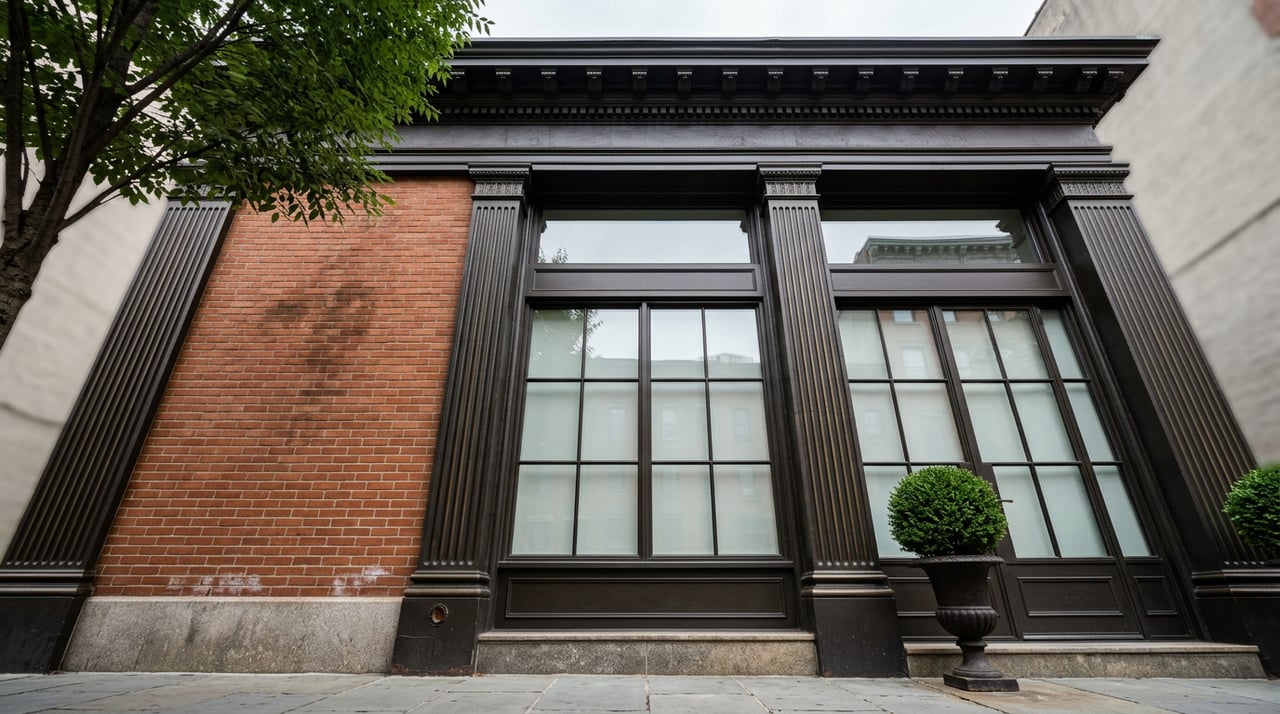
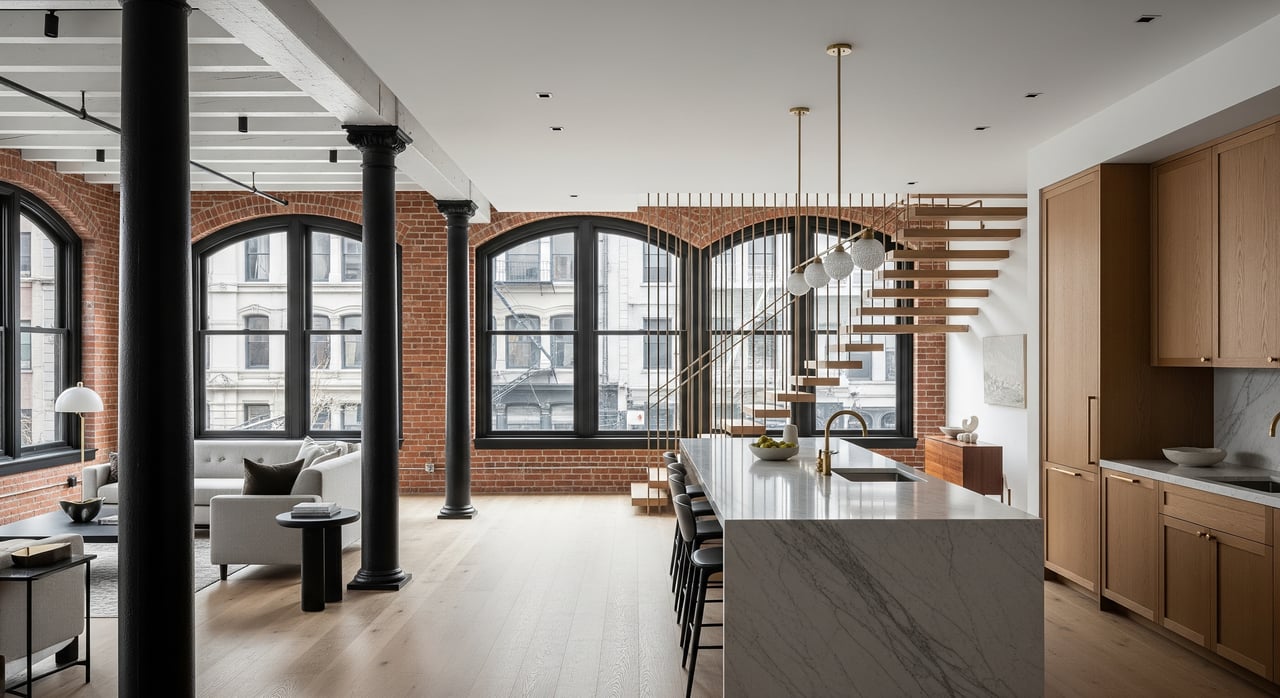
SoHo lofts often feature tall cast‑iron façades and oversized windows that define the look and bring in striking light. Ceiling heights commonly range from about 11 to 16 feet, which invites mezzanine ideas and dramatic design moments. Regular cast‑iron column grids create open spans, but they also set the rhythm for where new walls, stairs, or heavy elements can go.
Deep floor plates are typical, which can reduce daylight in the middle of a unit. Some buildings include light wells that help, but you should expect to plan carefully for illumination and sightlines. Underneath the finishes, structures can be heavy timber joists with iron or steel framing, or later concrete slabs. Each system has different load and routing limits.
Systems and constraints you should expect
If you plan to add central air or new plumbing, routing is often the biggest challenge. Many older lofts lack generous vertical shafts for ducts and risers. That means chases may need to be cut or mechanicals run visibly as a deliberate design choice. Window work demands care. Restoring historic windows is often preferable for preservation and value, while interior storm panels or slim double‑glazed inserts can boost comfort without altering exteriors.
Life safety upgrades can be part of the brief. Depending on occupancy and prior work, projects may require sprinklers, alarms, or egress improvements. Sprinkler risers and standpipes take space, so plan their routes with your architect early.
Hidden conditions to budget for
Expect surprises in 19th‑century buildings. Common findings include corroded iron elements, water damage at sills, rotten timber, undocumented penetrations, or unpermitted alterations by prior owners. Long‑untouched cavities can hide vermin or mold. A healthy contingency and thorough pre‑design surveys reduce risk.
Rules, permits, and approvals
- Landmarks: Many SoHo properties sit within the SoHo Cast‑Iron Historic District. Exterior work visible from the street, including window changes and rooftop additions, typically requires review by the NYC Landmarks Preservation Commission (LPC). Most interior work is outside LPC review unless the interior is individually landmarked.
- Department of Buildings (DOB): Structural, plumbing, electrical, and HVAC changes require DOB permits and inspections. Occupancy changes or unit combinations can trigger a full plan exam and additional reviews.
- Building governance: Co‑ops and condos enforce alteration agreements that set work hours, dust and noise controls, elevator use, insurance, deposits, and contractor qualifications. Co‑op rules can be stricter than city agencies. Artist or rent‑regulated cooperatives may add specific requirements.
- Rooftop and zoning: Any rooftop addition must comply with zoning bulk and setback rules and will face LPC visibility tests. Some projects explore air‑rights strategies, which are complex and rare at the unit level.
- Environmental hazards: Historic buildings can involve lead‑based paint, asbestos, or antiquated wiring. Licensed abatement, notifications, and protective protocols add time and cost.
- Façade safety: Many older facades fall under NYC’s Façade Inspection & Safety Program (Local Law 11). While a unit‑level renovation may not trigger a façade cycle, building‑level obligations can affect timing and logistics.
Renovation scopes, costs, and timelines
Every project is unique, but SoHo loft renovations tend to fall into familiar packages with distinct approvals.
- Cosmetic refresh: Paint, floor refinishing, updated kitchens and baths using existing plumbing and electrical. Minimal LPC/DOB interactions if no structural or exterior changes. Timeline about 1 to 3 months. Typical NYC cost about $100 to $300 per sq ft, depending on finishes.
- Partial gut with systems upgrade: New kitchens and baths, added HVAC such as mini‑split or ductless VRF, electrical service upgrades, selective structural reinforcement. DOB permits required and LPC only if façade or windows are touched. Timeline about 3 to 9 months. Typical cost about $300 to $700+ per sq ft.
- Full gut or luxury transformation: New plan, possible mezzanine, complete mechanicals including sprinklers, in‑kind window work, and top‑tier finishes. Includes DOB permits and likely LPC for any exterior or roofline changes, plus building approvals. Timeline about 9 to 18+ months. Typical cost about $600 to $1,500+ per sq ft.
- Rooftop additions or terraces: LPC and DOB reviews, structural reinforcement, and egress planning are common. Timelines often run 6 to 18 months and carry high costs per usable square foot.
Who approves what
- Internal: Co‑op or condo board approvals, deposits, insurance certificates, elevator scheduling, neighbor protections, and contractor vetting.
- City agencies: LPC for exterior or visible roof work, DOB for permits and inspections, DEP for relevant utility tie‑ins, and DOT if sidewalk sheds or closures are needed.
- Utilities: Con Edison and others for added electrical capacity or service changes. Lead times can run weeks to months.
A typical project timeline
- Pre‑design and due diligence: 1 to 4 weeks to review bylaws, records, and conduct initial surveys.
- Design documentation: 4 to 12 weeks for layouts and structural/MEP studies, plus any LPC pre‑application consults.
- Approvals and permits: 6 to 20+ weeks including board approvals, LPC decisions, and DOB permits.
- Construction: 8 to 52+ weeks depending on scope.
- Inspections and closeout: 2 to 8 weeks for DOB, board sign‑offs, and any LPC conditions.
Budget with a 15 to 25 percent contingency for hidden conditions. Confirm construction insurance, builder’s risk, and any additional policies required by the building.
Design choices that protect value in SoHo
What buyers pay for
- Ceiling height and daylight: Volume and natural light are core premiums.
- Open plans with clean column grids: Flexible layouts suit modern living and work‑from‑home needs.
- Original fabric: Exposed brick, cast‑iron columns, and authentic details remain powerful value drivers.
- Window lines and views: Continuous window runs and quality exposures tend to command higher pricing.
- Private outdoor space: Legal terraces and roof access are scarce and prized.
- Modern systems: Quiet, efficient HVAC, sprinklers, strong electrical capacity, and high‑performing kitchens and baths support luxury pricing.
Renovation moves and market impact
- Window strategy: Careful restoration with performance upgrades like interior storms preserves historic character and aligns with LPC practices. This typically supports value.
- Mezzanines: Added square footage can lift perceived value if structure and ceiling heights allow. Poorly placed mezzanines that compress light or interrupt the loft feel can backfire.
- Exposed mechanicals: Visible ductwork can read as intentional loft design if detailed well. Haphazard surface runs can detract.
- Customization: Highly niche finishes or layouts that reduce flexibility may narrow the buyer pool.
- Rooftop and legal sleeping rooms: When done within rules, these improvements often boost marketability and value.
Pre‑purchase and pre‑renovation checklist
- Request existing architectural and structural drawings plus DOB records for prior permits and violations.
- Confirm whether the building and any interior features fall under LPC jurisdiction.
- Review co‑op or condo alteration rules, contractor requirements, deposits, and insurance.
- Commission a condition survey: structural engineer for joists and loads, MEP consultant for capacity, and a preservation‑savvy architect if windows or façades are in scope.
- Estimate required code upgrades, including sprinklers and alarms if missing.
- Build a realistic timeline and contingency into your financing plan.
Who you need on your team
- Architect experienced with LPC filings and SoHo lofts
- Structural engineer familiar with 19th‑century systems
- MEP/HVAC designer adept at tight shafting and noise control
- General contractor with landmark and co‑op/condo experience
- DOB expeditor or permitting specialist and, if needed, a preservation consultant
- Co‑op/condo attorney for alteration agreements
- Licensed abatement contractor and environmental consultant when hazards are suspected
Risks to monitor
- Landmark or board refusals that limit exterior or rooftop work
- Hidden structural conditions that drive major cost increases
- Noise from new mechanicals or nearby rooftops
- Over‑specialized design choices that shrink your buyer pool
- Shifts in LPC or DOB policy that affect timing or scope
Putting it together: a smarter path
- Define goals: authenticity, performance, and future resale.
- Hire your core team and conduct due diligence before closing.
- Align early with your board and, if needed, LPC staff.
- Finalize a scope that prioritizes infrastructure first and showcases original fabric.
- Secure approvals and permits with a realistic schedule.
- Phase construction to protect neighbors and common areas and to keep routes clear for risers and sprinklers.
- Close out permits and document the work to support future resale and buyer confidence.
If you are weighing a purchase or planning upgrades, a seasoned advisor can help you evaluate scope, sequence, and likely ROI before you commit. For confidential guidance tailored to your goals in SoHo, connect with the Après Global Team at Compass. Request a Private Consultation.
FAQs
Do I need LPC approval to replace SoHo loft windows?
- If your building is in the historic district and the windows are visible from the street, LPC review is typically required and replacements must match historic profiles; interior storm panels are often an alternative.
How long do SoHo renovation approvals usually take?
- Plan for several months for nontrivial projects, including board approvals, LPC decisions when applicable, and DOB permits, before construction can begin.
What should I budget per square foot for a loft renovation?
- Cosmetic updates often run about $100 to $300 per sq ft, partial guts about $300 to $700+ per sq ft, and full luxury transformations about $600 to $1,500+ per sq ft.
Can I add a mezzanine in a high‑ceiling loft?
- Possibly, but you need structural sign‑off, DOB permits, and to confirm ceiling height, column spacing, and egress work; boards may set additional rules.
Is it better to restore or replace historic windows?
- Restoration with performance upgrades usually preserves character and market appeal, while any replacement in a visible location must visually match and may require LPC review.
How much contingency should I carry for a historic loft?
- A 15 to 25 percent contingency is a common planning range due to hidden conditions, abatement needs, and scope refinements.