You only get one chance to make a first impression in Midtown. In a market where floor level, views, and service level matter as much as square footage, the right strategy can change your outcome. If you want a faster sale at a stronger price, you need precise pricing, flawless presentation, and disciplined buyer vetting. This guide gives you a clear, step-by-step plan tailored to luxury Midtown condos. Let’s dive in.
Know your Midtown buyer
Midtown is not one market. Midtown East, Midtown West, Midtown South, Hell’s Kitchen, Turtle Bay, and the Garment District each attract different buyer profiles. Building age, amenity packages, and layouts can vary on the same block, so your comps and messaging must be hyper-local.
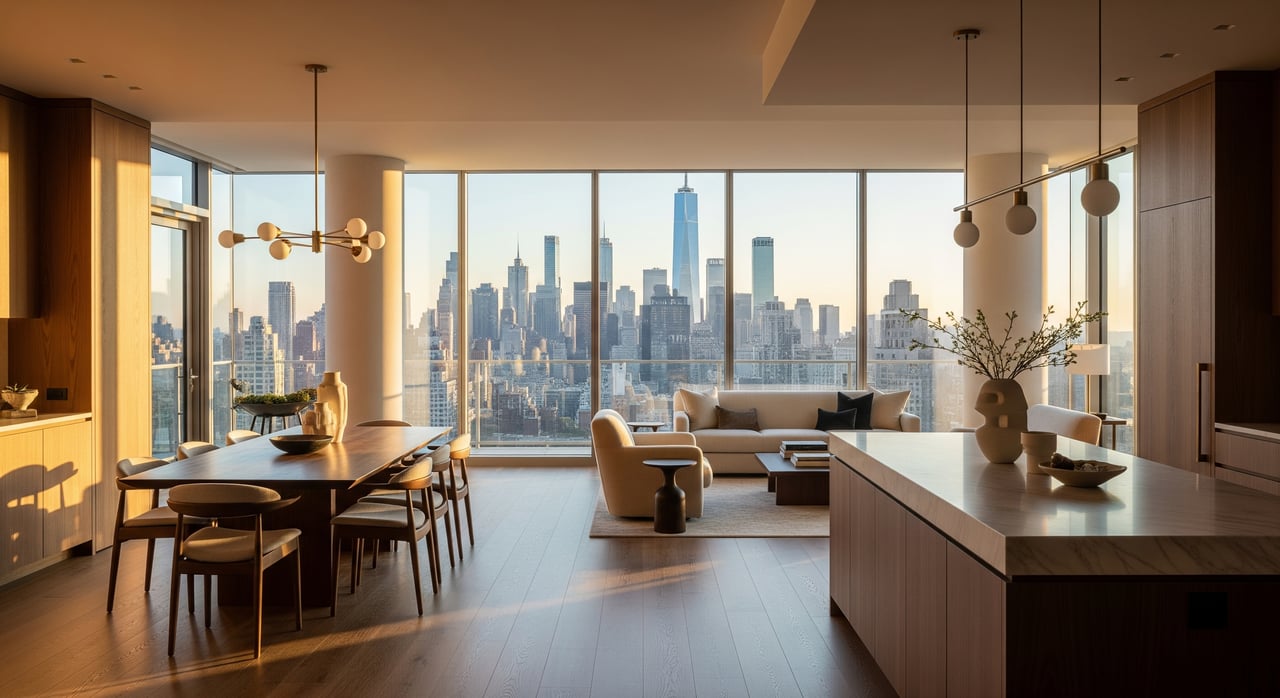
Your condo will compete with luxury homes across Upper East Side, Upper West Side, Hudson Yards, Chelsea, and Downtown. Buyers weigh skyline or river views, private outdoor space, building amenities, and service level more heavily at this price point. Prime, well-priced listings with unique features still draw strong attention even when inventory rises.
Prepare the asset like a pro
Legal and financial readiness
Engage a New York City real estate attorney early. This helps streamline contract review, disclosures, and closing logistics. Speak with a CPA about potential tax implications and timing so you can plan with confidence. If your building is a condo, confirm what documents and fees buyers will review; if it is a co-op, plan for a board package and timing.
Assemble key documents
Have a complete, current file ready for buyer counsel and top brokers. Include:
- Recent property tax bills, common charges or maintenance statements, and any assessments
- Condo declaration and house rules or co-op proprietary lease, offering plan, and recent board minutes
- Building financials and planned capital projects
- Warranties, appliance manuals, renovation invoices, permits, and architect plans
- Title documents and certificate of occupancy, if relevant
Elevate presentation
Invest in best-in-class visuals. Commission high-end photography, twilight exterior shots, and a cinematic video or 3D tour. Provide accurate, labeled floor plans with room dimensions; consider professional measurement when your price per square foot matters to the story.
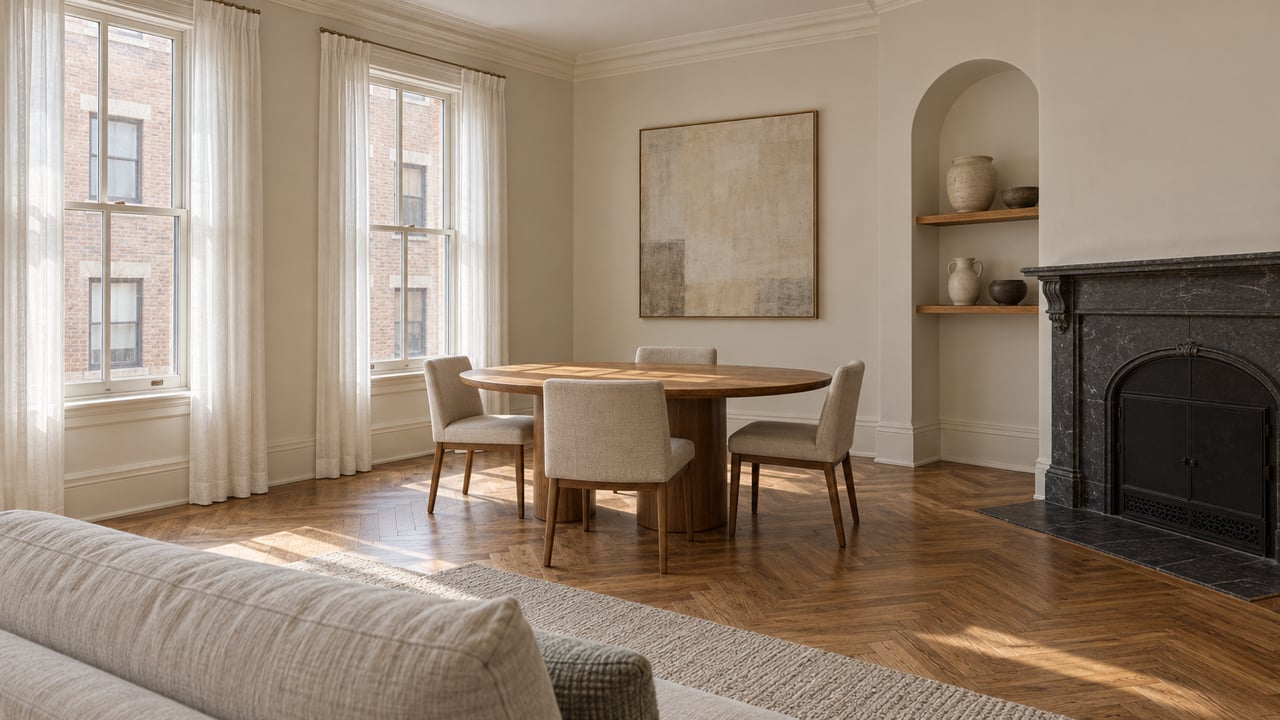
Staging should highlight sightlines, scale, and lifestyle. Focus on dining and living areas, the primary suite, and any outdoor space. Targeted upgrades like lighting, hardware, paint, and visible kitchen or bath refreshes often deliver high impact.
Pre-inspection and building evidence
Consider a pre-listing inspection to surface issues before contract. Gather proof of recent building maintenance or upgrades. Removing surprises helps protect your timeline and net proceeds.
Price with precision
How to comp your condo
Start with recent closed sales in your building. Adjust for floor height, exposure and view, outdoor space, renovation level, and amenity package. Look at trades in nearby comparable buildings of the same era and service level within the past 6–12 months. Track active listings and withdrawals to understand where buyers resisted pricing.
Positioning options
- Market-priced to spark activity: Works when comps are supportive and your home shows beautifully.
- Aspirational with patience: Accepts a longer runway and requires tight expectation management.
- Private or pre-market: Useful for privacy and testing price with a select pool; it may reduce competition if used too long.
Explain your pricing logic transparently. Sophisticated buyers and their brokers respect clear, data-backed rationale.
Timing and days on market
Spring and fall often see more activity, though luxury buyers can be calendar-flexible. Luxury properties typically carry longer marketing windows than entry-level homes. Overpricing is the main cause of extended days on market and weak leverage.
Market where luxury buyers look
Create premium assets
Produce a brochure-quality PDF for private showings and broker packets. Pair visuals with lifestyle copy that speaks to daily experience: view corridors, privacy, concierge or doorman service, and proximity to culture and transit. Keep all materials consistent and measurement-backed.
Distribute strategically
Leverage the local MLS and luxury-focused portals where appropriate. Activate top broker relationships and international referral partners. Target high-net-worth audiences with selective online campaigns and thoughtful print placements when they offer clear ROI.
Broker activation and events
Host a broker-only open house with curated invites. Provide building documents and a polished property packet. For special listings, consider a private evening preview to showcase views at twilight and the building’s service experience.
Private previews
Invite-only previews and direct outreach to trusted HNW advisors can be effective for confidentiality-minded sellers. Use this approach to test engagement and refine price or presentation before a wider launch.
Qualify buyers and negotiate cleanly
What to ask for upfront
Require proof of funds for all-cash offers and a bank pre-approval for financed offers. For international buyers, confirm remittance ability and any tax or compliance considerations. Set expectations for timeline, contingencies, and building requirements at the offer stage.
Offer evaluation checklist
- Proof of funds or lender pre-approval
- Contingencies and their duration (financing, inspection, appraisal)
- Closing timing and flexibility
- Requested concessions or inclusions
- Buyer’s track record and preparedness
Condo vs co-op considerations
Condos do not require board approval for buyers, which typically shortens timelines. Buyers will still review condo documents and financials. Co-ops add a board package and interview, so plan for a longer path from contract to close and confirm any flip taxes or transfer fees.
Timeframes and costs to expect
Listing prep often takes 2–8 weeks for staging, media, and document readiness. Many luxury listings market for 30–120 days or more, tied to price and uniqueness. From contract to closing, condos commonly close in 30–60 days; co-ops often require 60–90 days or longer.
Typical seller costs include broker commission, attorney fees, staging and marketing expenses, repairs or negotiated concessions, and building transfer fees or flip taxes where applicable. Discuss capital gains and related tax items with your CPA so you can plan ahead.
Avoid these deal-killers
- Incomplete building documents or undisclosed assessments
- Overpricing that creates a stale perception
- Weak buyer vetting that ties up your unit without certainty
- Title issues or unexpected liens
- Poorly prepared co-op board packages that cause delays or denials
A simple, proven selling checklist
- Engage a seasoned Midtown luxury advisor
- Hire a NYC real estate attorney and consult a CPA
- Confirm condo vs co-op and collect building documents
- Stage the space and commission premium photos, video, and floor plans
- Build comps with a same-building focus and adjust for view, level, and finishes
- Launch a targeted marketing plan to HNW buyers and top brokers
- Pre-inspect and address obvious issues; organize warranties and renovation records
- Require buyer proof of funds or pre-approval before accepting an offer
- Coordinate closing timing with building management and your attorney
Selling a luxury Midtown condo rewards preparation, precision, and quiet execution. With the right pricing, high-end presentation, and disciplined buyer vetting, you can protect your time and your outcome. If you would like senior-level, discreet guidance, connect with the Après Global Team at Compass to Request a Private Consultation.
FAQs
How should I price a high-floor Midtown condo with river views?
- Start with same-building sales and adjust for view, outdoor space, renovation level, and amenities; use nearby comparable buildings only when needed.
Do Midtown condo sellers need a board package?
- Condos generally do not require buyer board approval, while co-ops do; confirm your building type and its specific document requirements.
How long does it take to sell a luxury Midtown condo?
- Timelines vary by pricing and uniqueness; expect a longer average marketing window than entry-level homes and reduce surprises to shorten it.
Should I stage my condo or list it vacant?
- Staging is recommended in the luxury segment to show scale and lifestyle; virtual staging can supplement or speed up vacant presentations.
What costs should a seller expect in Manhattan?
- Common costs include commission, attorney fees, staging and marketing, any repairs or concessions, and building transfer fees or flip taxes as applicable.
Is an off-market sale a good idea for privacy?
- Private sales can protect confidentiality and test pricing, but they may limit competition; use them when you have access to prequalified buyers and strong broker networks.