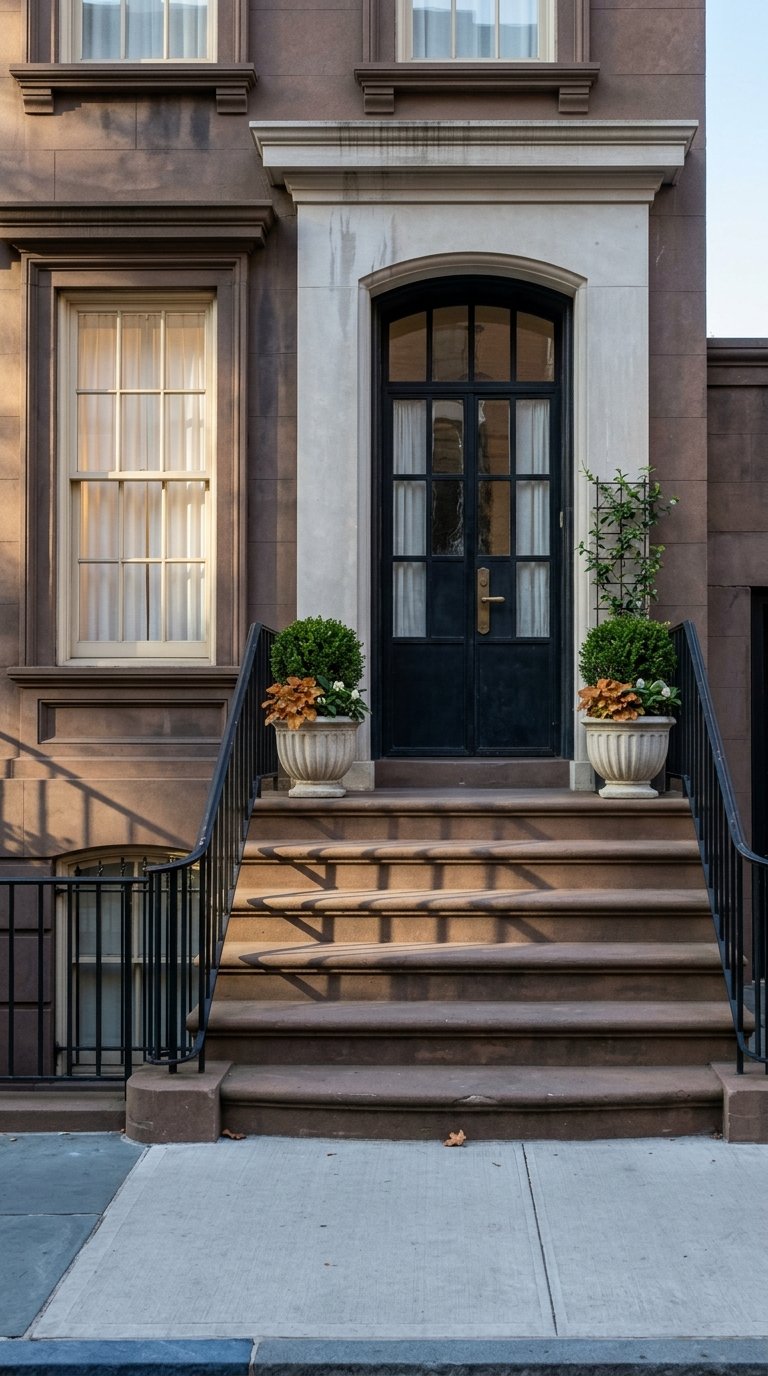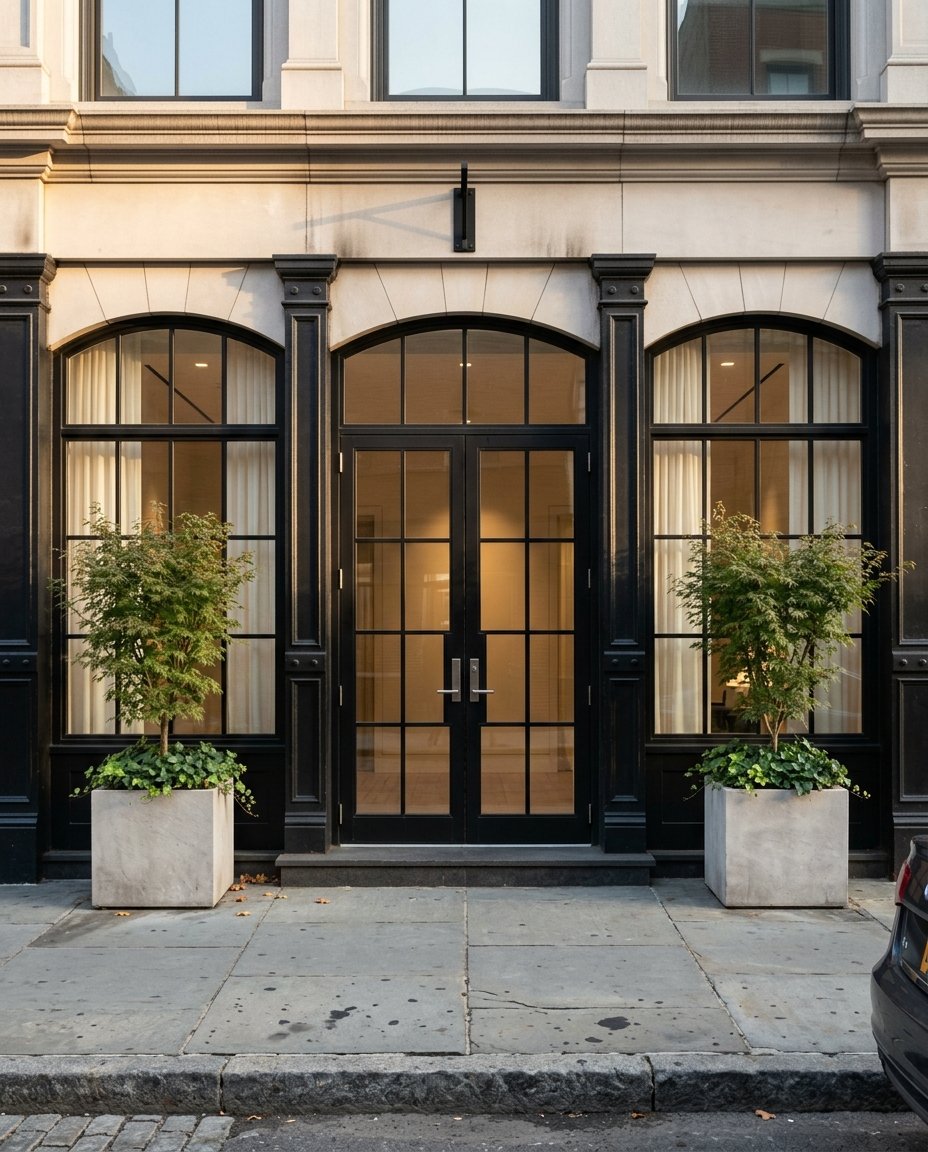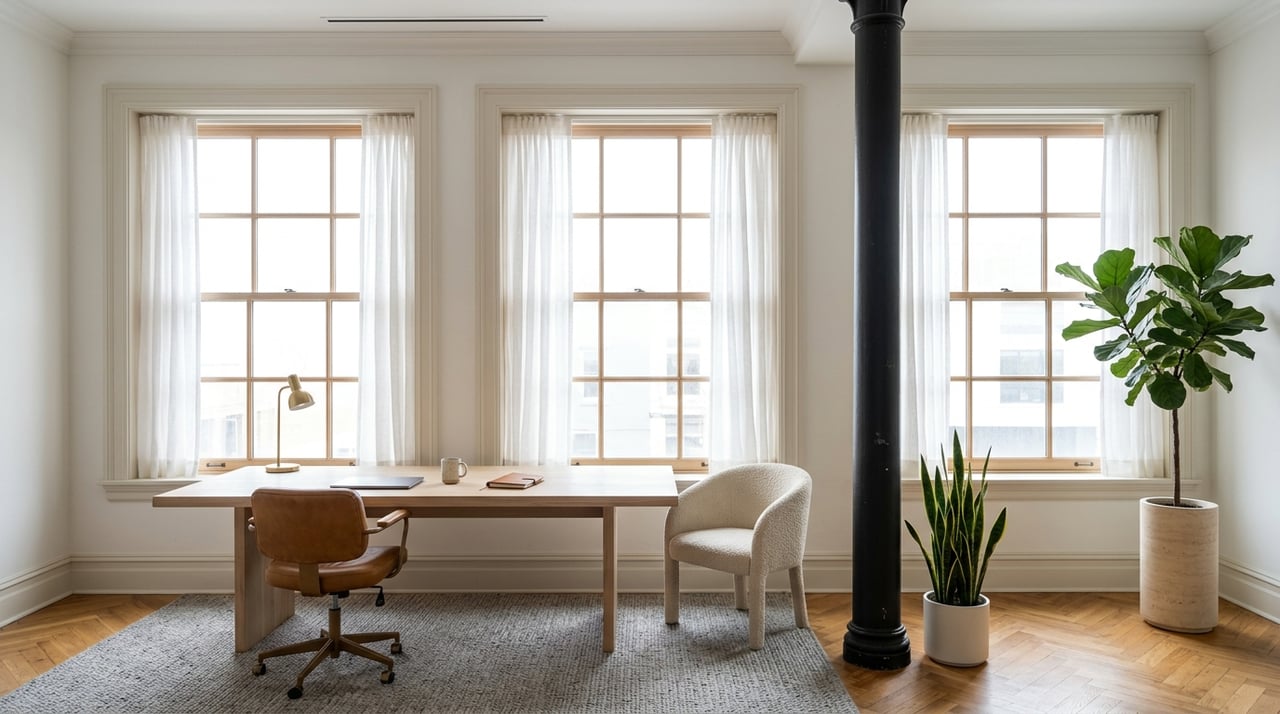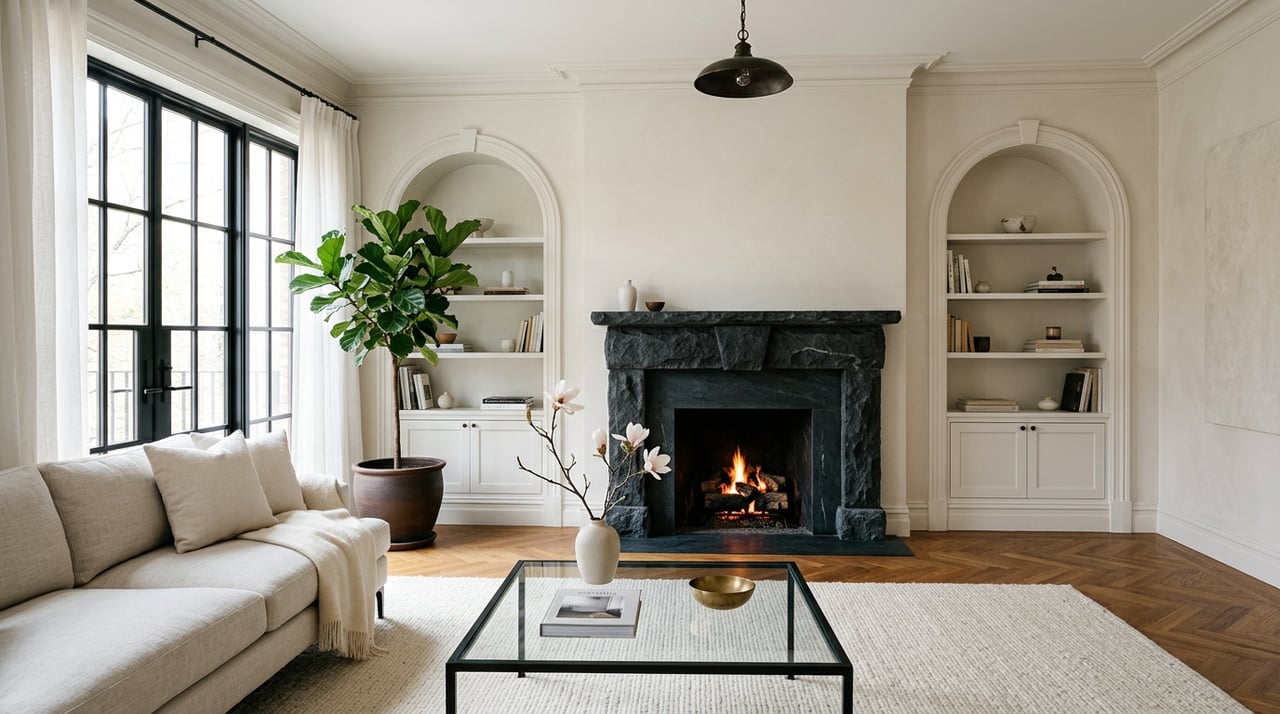
Selling a classic six on the Upper East Side starts with a simple idea: honor the prewar character while making the home feel effortless and current. You want buyers to feel the scale, the light, and the graceful flow from foyer to living to dining without distractions. At the same time, you need a clean co-op strategy that keeps the board process smooth and timelines realistic. In this guide, you’ll get a step-by-step plan, high-impact upgrades that pay off, and a co-op checklist tailored to the Upper East Side. Let’s dive in.
Know your classic six
A classic six is a prewar, six-room layout typically arranged as a living room, formal dining room, kitchen, two full bedrooms, and a smaller third room, often with two baths and a distinct foyer-to-bedroom circulation. The smaller room is frequently used today as an office, nursery, or guest space. For a clear definition and examples, see this overview of common New York City apartment layouts from CityRealty (what a “classic six” means).
On the Upper East Side, buyers value preserved moldings, herringbone floors, tall ceilings, and a separate dining room. They also expect updated kitchens and baths and reliable building systems. Your goal is to present a home that celebrates its heritage and reads as easy to live in on day one.
Read the Upper East Side market
The Upper East Side is commonly described as 59th to 96th Street, from Fifth Avenue to the East River. In a recent neighborhood snapshot from January 2026, Redfin reported a median sale price near 1.49–1.50 million dollars and median days on market in the high-80s. At the Manhattan level, the Miller Samuel / Douglas Elliman Q4 2025 report noted continued resilience in the co-op segment and highlighted broader pricing and cash-share context (Q4 2025 Manhattan report). Use these dated references as background and verify live comps and days on market with your agent at the time you list.
Make the plan feel effortless
Clear circulation and room purpose
- Re-establish sight lines from foyer to living and dining by removing ad-hoc partitions and visual clutter.
- Arrange furniture to show original room definitions and the formal flow. Avoid blocking key passages with oversized pieces.
- Label the smaller room as “office,” “nursery,” or “guest” in marketing materials so buyers see modern utility rather than a dated label (room-use guidance).
Light, scale, and first impressions
- Maximize daylight by cleaning windows, swapping heavy drapery for sheers, and using mirrors to reflect light.
- In photos, show exposures and any treetop or park glimpses. Emphasize the gracious proportions of the living and dining rooms.
- Professional staging and photography matter. The National Association of Realtors’ 2025 profile found that staging often reduces time on market and can lead to offers 1–10 percent higher, according to surveyed agents (NAR 2025 staging report).
Finishes that respect character
- Refresh with a warm neutral palette that highlights plaster, millwork, and moldings.
- Refinish or touch up hardwoods rather than covering them. Repair and paint radiators if they are visible.
- Replace small, dated fixtures with period-appropriate, high-quality lighting and new switches/dimmers to create layered light.
High-impact refreshes that pay back
You want improvements that photograph beautifully, elevate perceived quality, and avoid long permits or heavy construction. National and regional cost-vs-value studies show that minor kitchen refreshes and targeted bath updates often recoup a large share of cost, sometimes near or above 100 percent depending on region. Full gut remodels tend to recoup less. Treat these figures as benchmarks and confirm with your agent or appraiser for local returns (2025 Cost vs. Value).
Prioritize:
- Fresh paint throughout and millwork touch-ups.
- Lighting upgrades, LED conversion, and modern controls.
- Hardware refresh for doors, built-ins, and cabinets.
- A kitchen refresh: paint or reface cabinetry, install new stone counters, and update to efficient, contemporary appliances without reconfiguring the layout.
Stage and photograph for prewar success
What to stage first
- Focus on the living room, primary bedroom, and dining room. These rooms sell the story of scale and lifestyle.
- Stage to fit the architecture: tailored seating, scaled rugs, minimal decor, and a restrained color palette that lets moldings and windows read clearly.
- For Upper East Side–sized homes, professional staging budgets often range from about 3,000 to 15,000 dollars depending on scope and duration. Many sellers also see strong results from a lighter-touch edit, lighting upgrades, and selective rentals, supported by NAR’s findings on reduced marketing time and stronger offers (NAR staging findings).
Photography and media checklist
- Capture the full flow: foyer to living to dining to kitchen to the bedroom wing.
- Include bright exposure shots and details of original features.
- Provide a measured floor plan and room dimensions in the marketing packet.
Co-op specifics that shape your sale
Co-op vs. condo basics
Co-ops are governed by a proprietary lease and bylaws, not a deed. Buyers submit to board review, and buildings may have flip taxes, transfer rules, and stricter financing expectations. Condos generally close faster and have fewer approval steps. For regulatory background on offering plans and sponsor matters, review the New York State Attorney General’s guidance (co-op vs. condo overview).
Board package readiness
Most buyers will need a completed co-op application, a REBNY-style financial statement, recent tax returns, bank/brokerage statements, employment verification, reference letters, mortgage commitment or proof of funds, photo ID, and signed background authorizations. A clean cover letter and table of contents help the board review quickly. Share a sample checklist early to set expectations (co-op board package checklist).
Practical tip: ask your listing agent to prep a one-page “buyer readiness” note showing typical down payment and post-closing liquidity expectations for your building. Encouraging prepared buyers shortens review cycles and reduces the risk of a board-related fall-through.
Timeline to close
Condo deals often close in about 60–90 days when financing is straightforward. Co-ops usually take longer because of the board review and interview. Plan on roughly 8–16 weeks to close in many Upper East Side co-ops, depending on board cadence and package completeness (co-op closing timeline).
Renovations and alteration rules
If you plan pre-sale work that touches plumbing, electrical, or building fabric, confirm the building’s alteration agreement and insurance requirements in advance. Undisclosed prior work can delay the sale if buyers or the board request documentation.
Costs, taxes, and building-level risks
Flip tax
Many Manhattan co-ops levy a flip tax. Structures vary by building and may be a percentage of sale price or profit, a per-share fee, or a flat fee. Typical ranges often fall around 1–3 percent, but always confirm the exact formula and who pays in your building’s documents (flip tax overview).
Transfer taxes
New York City’s Real Property Transfer Tax applies to most residential sales, with tiered rates based on consideration. New York State also imposes a transfer tax and an additional mansion tax on residential conveyances of 1 million dollars or more. Use official Department of Finance and State tables for precise calculations and confirm responsibility with counsel (NYC RPTT guidance).
Local Law 97 and capital planning
Many larger buildings must comply with Local Law 97’s greenhouse-gas emission limits. Buyers increasingly ask about a building’s compliance status and any planned assessments tied to LL97. Request an update from your managing agent and disclose known capital plans to help buyers price in future costs (LL97 overview).
A 60-day prep plan that works
Weeks 1–2: Strategy and scope
- Confirm building rules, alteration requirements, and flip-tax formula with the managing agent.
- Align pricing bands with live building comps and a clear peer set; use neighborhood trackers for context, but price off your building and block.
- Book painter, electrician, stager, and photographer. Lock your target list date.
Weeks 3–4: Cosmetic lift
- Paint throughout and touch up millwork; refinish or repair floors as needed.
- Update lighting and switches; convert to LED and add dimmers.
- Begin kitchen refresh if applicable: cabinet paint/reface, stone templating, and appliance scheduling. Cost-vs-value data supports minor refreshes over full reconfigurations for ROI (2025 Cost vs. Value).
Weeks 5–6: Stage, shoot, and launch
- Install staging in the living room, primary bedroom, and dining room.
- Capture professional photos, floor plan, and a virtual tour.
- Prepare the information packet: floor plan, building summary, maintenance and assessment notes, and a sample board-application checklist.
Listing to contract: variable window
- Hold broker and public opens and targeted private showings.
- Pre-vet buyers for board readiness and post-closing liquidity. Favor complete, well documented offers.
Under contract to close: plan 8–16 weeks for co-ops
- Guide buyers on package submission within about 10 business days.
- Track board review timelines and coordinate the interview.
- After board approval, allow 2–4 weeks to schedule the closing.
Seller’s pre-listing checklist
- Confirm building rules, flip-tax formula, and any planned assessments with the managing agent.
- Order professional photos, floor plan, and a room-by-room inventory for marketing.
- Complete cosmetic work: paint, lighting, hardware, floor touch-ups, and a targeted kitchen refresh.
- Prepare a one-page buyer readiness note with typical down payment and liquidity guidelines.
- Assemble a single PDF packet with floor plan, high-res photos, building summary, maintenance and assessment notes, and a sample board-application checklist (co-op board package checklist).
Pricing and positioning
Use recent resales in your building or a directly comparable peer set on the same block type with similar exposures and floor heights. Adjust for condition, mechanical upgrades, maintenance, and building charges like flip tax. Neighborhood reports, including the Q4 2025 Miller Samuel / Douglas Elliman analysis, are valuable context for co-op resilience and cash trends, but they do not replace building-level comps when you set your list price and negotiation strategy (Q4 2025 Manhattan report). Be transparent about your improvements and staging to support your net price.
The take-away
If you want top-of-market results for a classic six, focus on three priorities: make the plan and proportions obvious, present light and finish as move-in-ready, and remove transactional friction by helping buyers be board-ready. With targeted upgrades, disciplined staging, and a tight co-op process, you can protect both price and timeline in today’s Upper East Side market.
Ready to position your classic six for a quiet, effective sale? Connect with the Après Global Team at Compass to request a Private Consultation.
FAQs
What is a “classic six” in Manhattan?
- It is a prewar six-room layout that typically includes a living room, formal dining room, kitchen, two full bedrooms, and a smaller third room, often with two baths and a defined foyer-to-bedroom circulation.
Which pre-sale upgrades offer the best ROI?
- Minor kitchen refreshes, lighting updates, new hardware, paint, and floor touch-ups often deliver strong visual impact and high cost recovery compared with full gut renovations, based on national and regional benchmarks.
How long does a co-op sale on the Upper East Side take to close?
- Many co-ops close in roughly 8–16 weeks after contract, depending on board cadence and the completeness of the buyer’s package. Condos can be faster.
What is a co-op flip tax and who pays it?
- Many buildings charge a flip tax at sale, often around 1–3 percent, but formulas vary widely. Responsibility can be set by bylaws or negotiated in the contract.
How does Local Law 97 affect my sale?
- Buyers may ask about your building’s emissions compliance and any related capital plans or assessments. Having a current LL97 status from your managing agent helps reduce uncertainty.
What documents should I prepare before listing?
- A floor plan, high-resolution photos, maintenance and assessment notes, offering plan or proprietary lease and bylaws, recent building financial information, flip-tax language, and a sample board-application checklist help buyers move quickly.