Choosing between Park Avenue, Madison Avenue, and Fifth Avenue on the Upper East Side is not just about a pin on the map. Each corridor delivers a distinct daily rhythm, building profile, and long-term value story. If you want clarity on street feel, access, lifestyle tradeoffs, and how to vet a blue-chip address, you are in the right place. Below, you will find a practical, evidence-based guide to help you match the right avenue to your goals. Let’s dive in.
Park vs. Madison vs. Fifth: Snapshot
- Park Avenue: A predominantly residential boulevard with planted medians, classic prewar co-ops, and a formal, discreet feel. Landmark materials document a continuous streetwall of apartment houses and fewer storefronts than neighboring avenues. See the Park Avenue Historic District overview from the city’s Landmarks Preservation Commission for context on built form and character (NYC LPC).
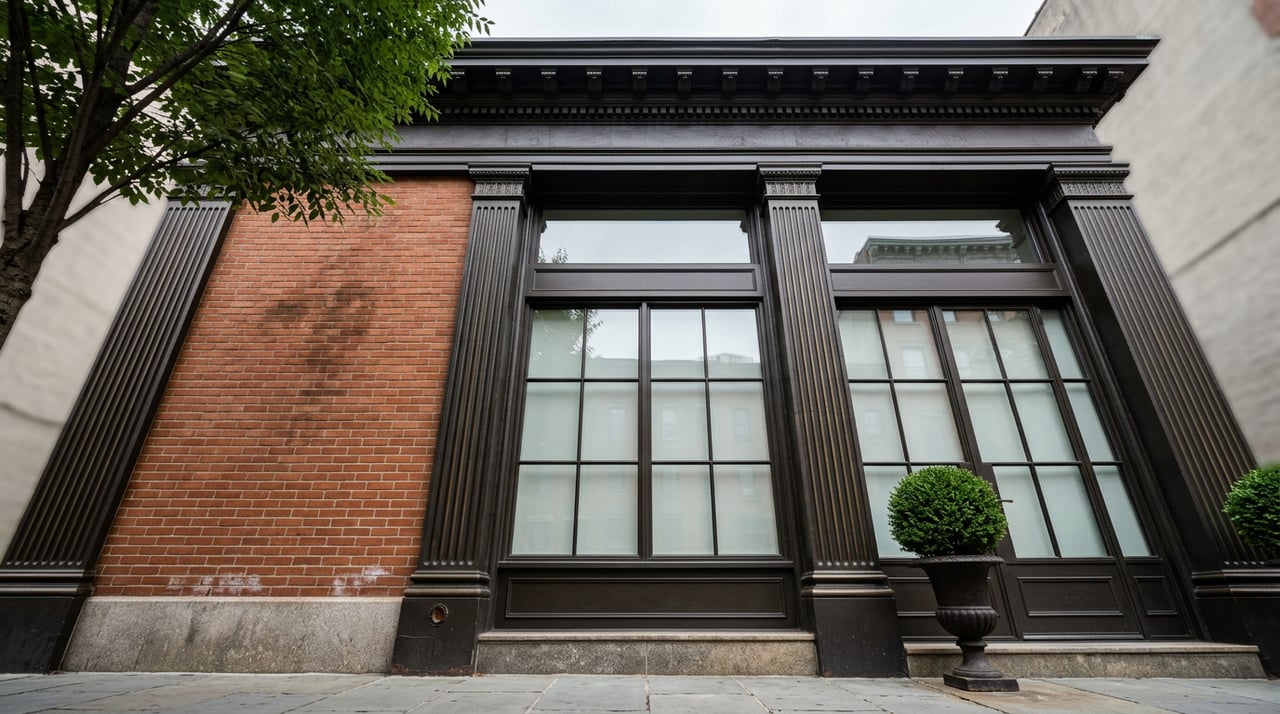
- Madison Avenue: The Upper East Side’s luxury retail spine with boutiques, galleries, and showrooms, especially prominent in the 60s through the low 80s. Expect livelier sidewalks and appointment-based shopping culture, as noted by the local BID and industry coverage (Madison Avenue BID, Fashionista retail report).
- Fifth Avenue: The park-edge boulevard with Central Park frontage and Museum Mile. Addresses here trade on park views and cultural adjacency, along with periodic festival days and visitor activity. For context on the cultural spine, review institutional press materials (The Met).
Street feel and public realm
Park Avenue
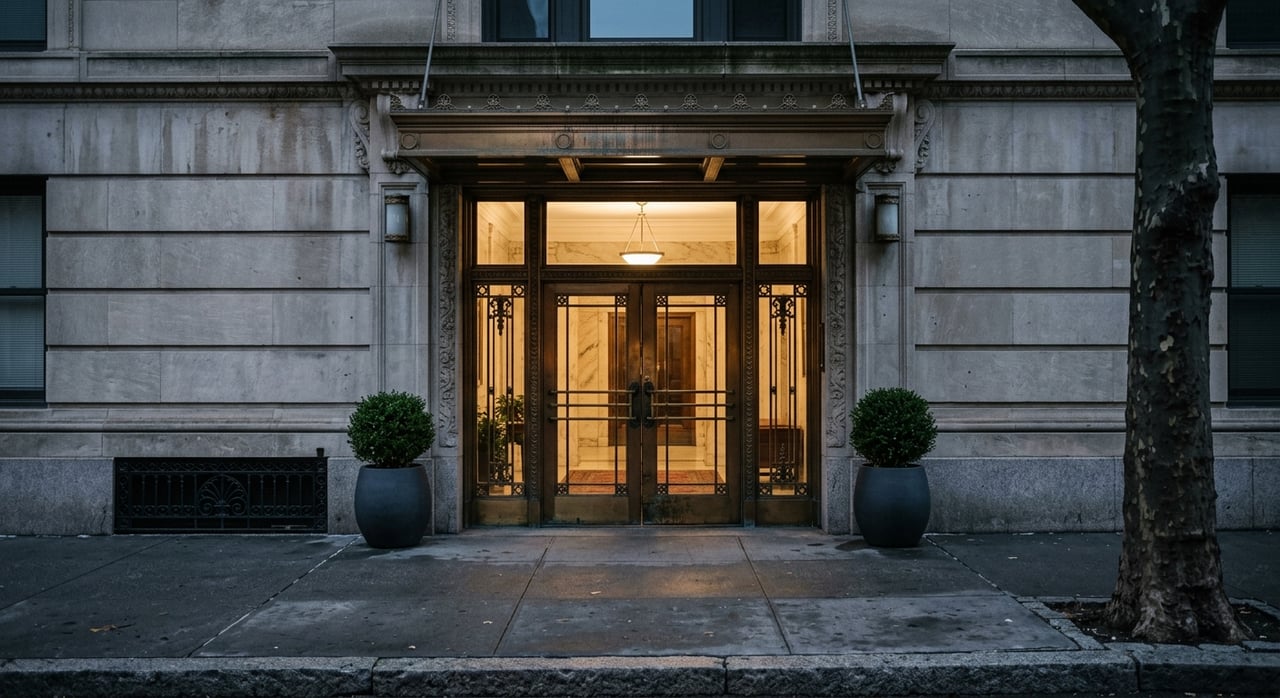
Park Avenue north of 59th reads as a broad, tree-lined boulevard with landscaped medians and a formal residential profile. Entrances are often set back, lobbies face the avenue, and ground-floor retail is limited. Landmark documentation underscores the avenue’s classic apartment-house continuity and landmarked stretches (NYC LPC). If you value calm sidewalks and a consistent residential streetscape, this setting will likely resonate.
Madison Avenue
Madison is built for boutique retail and design. You will find gallery appointments, fashion salons, and high-end showrooms mixed with residences and professional offices. The result is a livelier street life during business hours and holiday seasons, which many buyers appreciate for convenience and energy (Madison Avenue BID, Fashionista retail report). Sidewalks are more active here than on Park Avenue.
Fifth Avenue
Fifth Avenue along the UES pairs immediate Central Park access with a line of major cultural institutions known as Museum Mile. This is where park-facing residences command top-tier prestige for their views and proximity. Expect more pedestrian activity near museums and periodic street closures tied to cultural programming, such as the annual Museum Mile Festival (The Jewish Museum).
Retail, culture, and daily convenience
Madison Avenue: shopping at your doorstep
If in-neighborhood shopping and design access matter, Madison delivers. The corridor functions as the UES hub for luxury boutiques, galleries, and private salons. Buyers who host designers or prefer frequent, walkable errands often prioritize Madison-adjacent blocks (Madison Avenue BID, Fashionista retail report).
Fifth Avenue: museums and the park
From the 80s through the 100s, Museum Mile creates a cultural lifestyle with notable institutions and immediate access to Central Park. The non-residential amenity here is prestige park frontage and destination culture. Be aware of event days, when visitor flows and occasional closures can affect access (The Met, The Jewish Museum).
Park Avenue: quieter services
Park Avenue’s ground floors skew residential and service-oriented, with fewer boutiques than Madison. You will find the essentials, along with a calm setting that appeals to buyers who favor continuity and discretion (NYC LPC).
Building profiles and ownership norms
Park Avenue
Large prewar cooperative buildings define Park Avenue. Full-time staff, white-glove service, and formal apartment layouts are standard hallmarks. These co-ops often maintain strict board processes and higher ongoing service levels, consistent with classic blue-chip addresses. For an archetypal reference point, consider notable co-ops like 740 Park Avenue as documented in public sources (Reference overview).
Madison Avenue
Madison’s inventory is more mixed. You will find prewar co-ops, boutique condo conversions, and some buildings that evolved from office or mixed-use footprints. That variety can translate to more flexible ownership options in certain condos, though rules vary by building and should be verified case by case (Fashionista retail report).
Fifth Avenue
Park-front buildings on Fifth include trophy prewar co-ops and select high-end condominiums aligned to capture direct park exposures. These are marketed around views and cultural adjacency, and many follow traditional co-op governance norms at the top tier (The Met).
Transit, traffic, and access
Subway and buses
The Lexington Avenue Line serves the UES core, with major stations at 68th, 77th, 86th, and 96th Streets, and the Q line operating east of Lexington north of the 70s. Always confirm block-by-block distances from a target building to stations (MTA subway map). Madison and Fifth function as a one-way pair for buses, with long-standing bus lanes that improved speeds over time. If curbside bus access matters, both are strong corridors (NYC bus lanes overview).
Deliveries and parking
Curb space on the UES is in demand, and regulations are tight. Many full-service buildings coordinate valet staging, garages, or service entrances to smooth deliveries and moves. Review building policies and be mindful of meter rules, alternate-side schedules, and loading hours documented by city sources (NY Assembly curbside summary).
Events and seasonality
Fifth Avenue experiences periodic closures tied to parades and Museum Mile events, which can affect weekend plans and deliveries. Madison sees shopping-driven footfall, especially during holidays. Park Avenue typically feels calmer, though nearby festival days can ripple into adjacent blocks (The Jewish Museum, DOT Madison bus-lane project).
Which address fits you
- Choose Park Avenue if you value privacy, a formal residential streetscape, and the service culture of classic prewar co-ops. Expect established governance and a quieter sidewalk experience (NYC LPC).
- Choose Madison Avenue if walkable luxury retail, galleries, and design showrooms are central to your lifestyle. The mixed inventory here often includes boutique condos that can offer ownership flexibility, subject to building rules (Madison Avenue BID, Fashionista retail report).
- Choose Fifth Avenue if immediate Central Park access, cultural institutions, and trophy park views are the priority. Plan for more pedestrian flow on museum days and occasional street closures in exchange for unmatched vistas (The Met, The Jewish Museum).
Due-diligence checklist
- Clarify ownership type and governance. Confirm co-op or condo, approval process, sublet and transfer rules, and any building-specific restrictions. Co-ops commonly have more stringent reviews (Reference overview).
- Model carrying costs. Break out maintenance or common charges, taxes, and any assessments. Verify what utilities and services are included.
- Test exposure and noise. Visit at different times to gauge bus activity on Madison or Fifth, event days on Fifth, and general traffic on Park. Views and orientation can be value drivers (Museum Mile Festival).
- Verify staffing and access. Check doorman hours, concierge or valet services, and how deliveries and moves are staged. Park Avenue properties often emphasize full-service operations (NYC LPC).
- Map daily services. Walk the block to identify essentials like markets, pharmacies, and dry cleaners. Madison skews toward high-end retail and showrooms, while Park is more residential in tone (Fashionista retail report).
- Check street projects and closures. Review DOT initiatives such as bus-lane upgrades on Madison, plus recurring cultural closures on Fifth. These can affect commuting and curb access (DOT Madison bus-lane project, Museum Mile Festival).
- Confirm landmark or zoning constraints. Determine whether the building or block lies within a historic district, which can influence exterior changes and window work (NYC LPC).
Bottom line
If you want calm, privacy, and classic service, Park Avenue is a natural fit. If walkable luxury retail and design access are essential, Madison Avenue stands out. If your priority is Central Park views and world-class museums, Fifth Avenue delivers a singular lifestyle. The right answer depends on your daily rhythm, governance preferences, and the value you place on view, culture, and discretion.
For a confidential conversation about targeting the right address and structuring a winning offer, request a private consultation with the Après Global Team at Compass.
FAQs
Which Upper East Side avenue has the best Central Park views?
- Fifth Avenue park-front residences provide direct Central Park vistas, while higher floors on Park can see the park at an angle depending on exposure (The Met).
How does street noise compare among Park, Madison, and Fifth?
- Park Avenue side setbacks and medians tend to feel quieter, Madison’s retail corridors are livelier, and Fifth can see pedestrian peaks tied to museum hours and events (NYC LPC, The Jewish Museum).
What should I know about buses and curb access on Madison and Fifth?
- Madison and Fifth operate as a one-way pair with established bus lanes, offering strong curbside transit access and periodic lane improvements for speed and reliability (NYC bus lanes overview).
Are Park and Fifth Avenue buildings mostly co-ops, and how strict are they?
- Many marquee buildings on Park and Fifth are classic prewar co-ops with established board processes and higher service standards, so expect thorough vetting and detailed documentation (Reference overview).
How do special events affect life on Fifth Avenue near Museum Mile?
- Festivals and cultural events can bring street closures and heavier foot traffic on specific days, which may impact deliveries and access, balanced by unique cultural energy and park adjacency (The Jewish Museum).