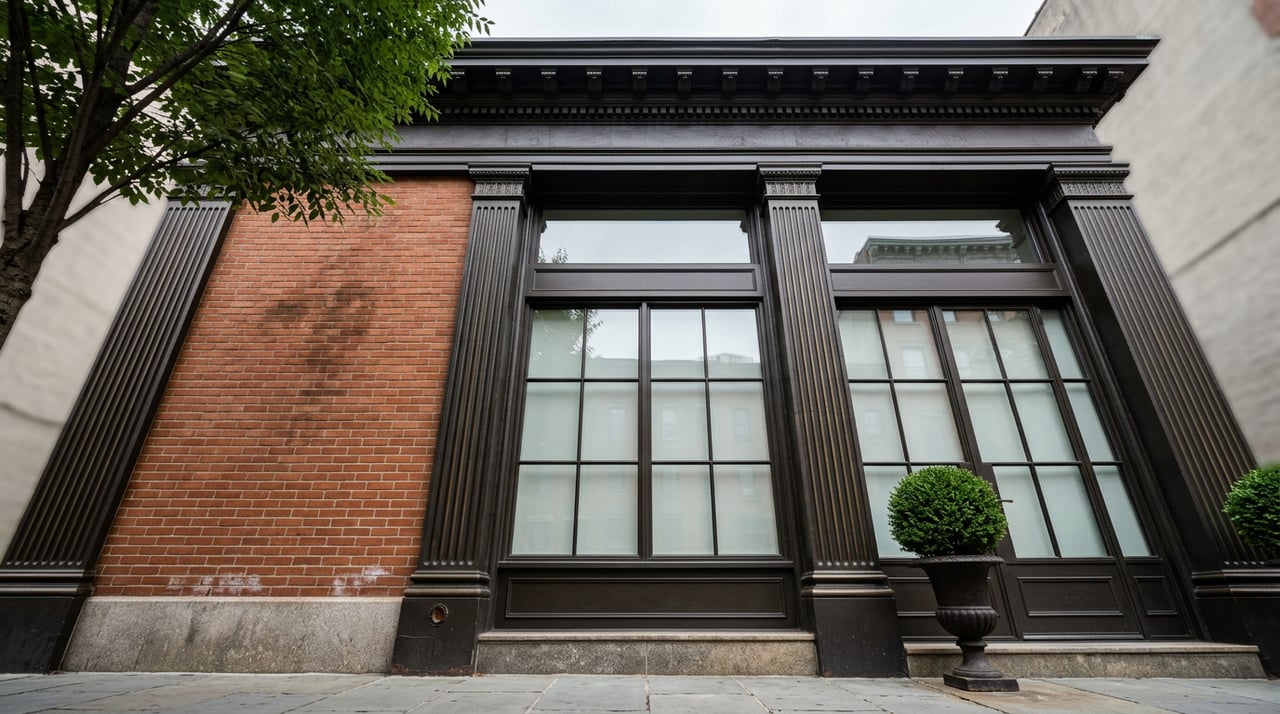
Is a SoHo address on your mind? You are picturing cast-iron façades, sunlit lofts, and streets that shift from quiet mornings to lively weekends. Whether you are buying, selling, or deciding if the neighborhood fits your lifestyle, you want clear, practical guidance. This insider guide walks you through SoHo’s daily rhythm, culture, housing types, preservation rules, and what to consider before your next move. Let’s dive in.
SoHo overview
SoHo stands for South of Houston Street. Most people describe the area as running from Houston Street south to Canal Street, with the east and west edges varying by source. Boundaries can shift slightly depending on whether you ask a community group, a city agency, or a market platform, so avoid fixating on a single hard line.
The neighborhood’s 19th-century industrial past shaped what you see today. Cast-iron façades, tall windows, and broad loft floors defined the manufacturing era, then drew artists in the late 1960s and 1970s. Over time, SoHo evolved from live-work artist lofts to a global destination for design, galleries, and luxury retail.
Much of the area falls within the SoHo–Cast Iron Historic District, overseen by the NYC Landmarks Preservation Commission. These protections help preserve the architecture and cobblestone streets that make the neighborhood distinctive, while guiding how buildings are altered over time.
Daily rhythm
Mornings
You start your day with café lines and bakery runs on quiet side streets. Many residents walk to offices nearby or hop on the subway for a short commute. The light in lofts can be striking in the early hours.
Weekdays
Boutiques, galleries, and design showrooms keep foot traffic steady through the day. Creative offices and retail showrooms add an active hum without losing a neighborhood feel on residential blocks. Service spots like salons and fitness studios are part of the routine.
Evenings
Dinner destinations and wine bars pick up after work. Side streets feel calmer, while corridors like Broadway, Prince, and West Broadway draw more energy. You can find a lively scene without traveling far.
Weekends
Expect peak shopping crowds on Saturdays and Sundays, especially on the most photographed cast-iron and cobblestone blocks. If you prefer quiet, plan errands early or enjoy the slower pace on residential streets.
Lifestyle and culture
SoHo’s creative legacy still shows in its galleries, design pop-ups, and regular openings. The architecture attracts photographers, tours, and occasional film shoots. For larger cultural venues, residents often walk north to Greenwich Village or south to Tribeca.
Dining ranges from casual cafés to upscale rooms. Retail spans independent boutiques and global flagships. Essential services are present, though larger-format supermarkets are fewer than in more purely residential neighborhoods, so check your preferred grocery options near your block.
Homes and architecture
If you love volume and light, SoHo’s lofts are a draw. Many former industrial buildings were converted to co-ops and condos with high ceilings and oversized windows. You also see boutique condo conversions and a handful of modern infill projects.
Interior renovations are generally flexible, but SoHo’s landmark status tightly guides exterior changes. Façade work or alterations visible from the street typically require approvals from the Landmarks Preservation Commission. That oversight preserves the signature look that supports long-term value.
Buying in SoHo: what to know
Purchasing in SoHo often means comparing unique homes rather than uniform floor plans. Use this checklist to focus your diligence:
- Co-op vs. condo: Co-ops can involve board approvals and stricter financing; condos often allow more flexibility for investors and rentals.
- Loft planning: Open layouts may need creative design for bedrooms or storage; adding enclosed rooms can have permitting implications.
- Landmark scope: Interior work is easier than exterior changes; ask about prior approvals and any façade obligations.
- Building health: Review maintenance, reserves, and recent capital projects, especially for historic façades and building systems.
- Insurance and resilience: Confirm coverage levels and ask about flood maps and mitigation, given lower Manhattan’s storm exposure.
- Use rules: Short-term rentals may be restricted; confirm house rules if you plan to rent.
- Noise and orientation: Units facing main retail corridors can feel busier; window quality and floor height matter.
- Comps and liquidity: Unique homes can sell well, but pricing comparisons are nuanced; lean on expert, building-specific analysis.
Selling in SoHo: positioning your asset
Buyers choose SoHo for architecture and lifestyle, so your marketing should put those front and center.
- Lead with architecture: Highlight exposed brick, cast iron, tall ceilings, and oversized windows.
- Show volume and light: Invest in top-tier photography and editing to capture scale and natural light.
- Clarify improvements: Document interior upgrades and any landmark-approved exterior work.
- Prepare disclosures: Provide façade history, assessments, and building capital plans to reduce surprises.
- Price with precision: Unique layouts and landmark variables require nuanced, building-level comps and buyer targeting.
- Market the lifestyle: Proximity to galleries, dining, and design showrooms attracts both end users and investors.
Getting around and daily practicalities
SoHo is highly walkable and well-connected to lower Manhattan and beyond. Multiple subway stations are within a short walk, and buses and Citi Bike add flexibility. Many residents rely on transit, rideshares, and walking for most trips.
Parking is limited and often expensive. Private garage space is rare, and street parking is tightly regulated. If you regularly drive, budget for a monthly garage and confirm access near your building.
For daily needs, you will find groceries, pharmacies, and specialty food shops, though formats skew smaller. Healthcare options in lower Manhattan are accessible, with clinics, urgent care, and hospitals a short ride away. Childcare and schools exist in and around SoHo, but they are not usually the primary reason families choose the area.
Noise is part of city life here. Main corridors are busier, especially on weekends, while side streets tend to be quieter. If sound is a concern, consider upper-floor units, upgraded windows, and bedroom placement.
Planning, preservation, and community
Historic district rules protect neighborhood character and guide development. Exterior changes usually need Landmarks Preservation Commission review, and planning topics are often discussed at Manhattan Community Board 2. Zoning and street-level uses are shaped by the NYC Department of City Planning.
Environmental resilience is an ongoing focus in lower Manhattan. If you are evaluating a purchase, review flood maps, building elevation, mitigation features, and insurance requirements. For safety and quality-of-life updates, consult NYPD precinct data and community board reporting for current trends.
Is SoHo right for you?
SoHo works well if you value design, walkability, and a central downtown location. You will enjoy loft living, creative energy, and the ease of dining and shopping close by. If you need suburban-style services, large-format supermarkets, or guaranteed parking, plan for a different rhythm or consider adjacent neighborhoods.
When you want senior-level advice on a SoHo move or sale, request a Private Consultation with Unknown Company. You will get discreet, advisory-first guidance tailored to your goals.
FAQs
Is SoHo a good fit for families with children?
- Yes for some, but it is not the area’s primary draw; evaluate school zoning, floor plans, storage, and access to parks based on your needs.
What should loft buyers know about SoHo renovations?
- Interior changes are usually flexible, but exterior or visible work often requires Landmarks Preservation Commission approvals.
How noisy are SoHo’s main corridors on weekends?
- Broadway and other retail corridors can be busy and noisy; side streets are typically quieter, and unit orientation helps manage sound.
How do co-ops and condos differ for SoHo investors?
- Co-ops often limit subletting and require board approval; condos usually allow more flexibility for renting and ownership structures.
What are parking options for SoHo residents?
- Private parking is rare and expensive; most residents rely on transit, rideshares, and occasional car services.
Does landmark status affect resale value in SoHo?
- Preservation helps protect architectural character, which supports long-term desirability, though individual results depend on unit specifics and market cycles.
Are there flood or resilience issues to consider in SoHo?
- Lower Manhattan has coastal storm exposure; review flood maps, building mitigation, elevation, and insurance before you buy.