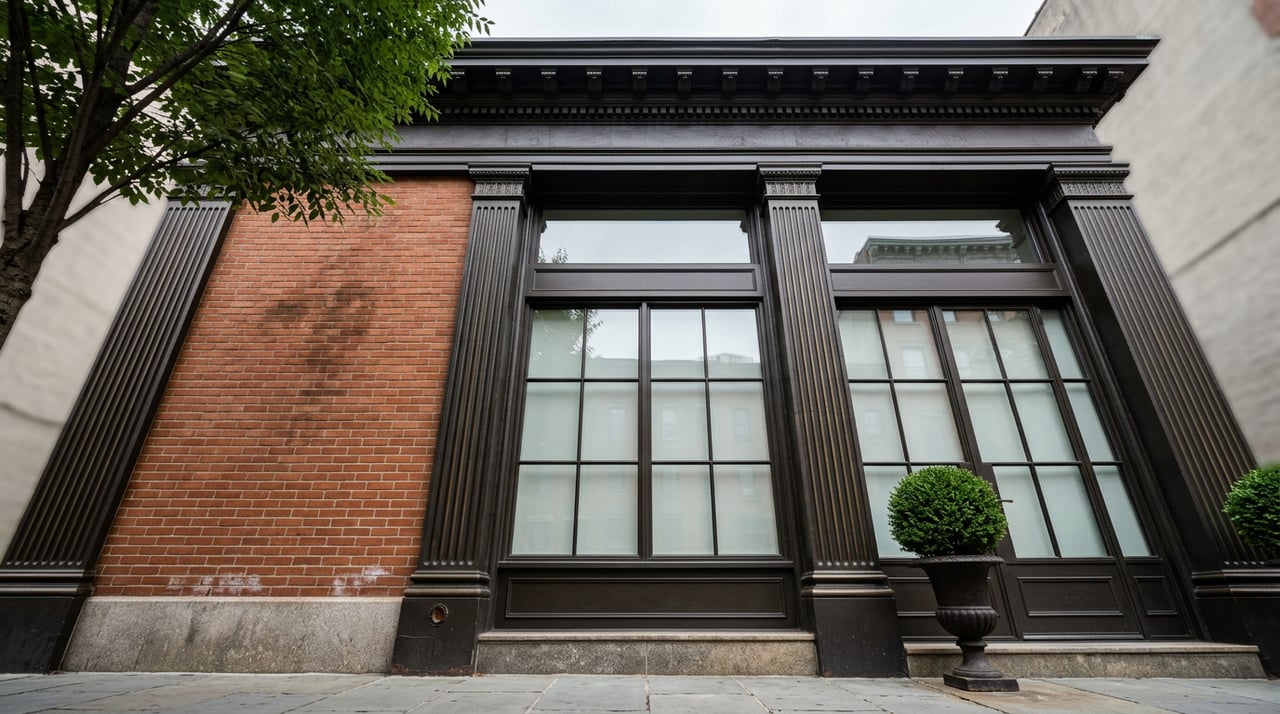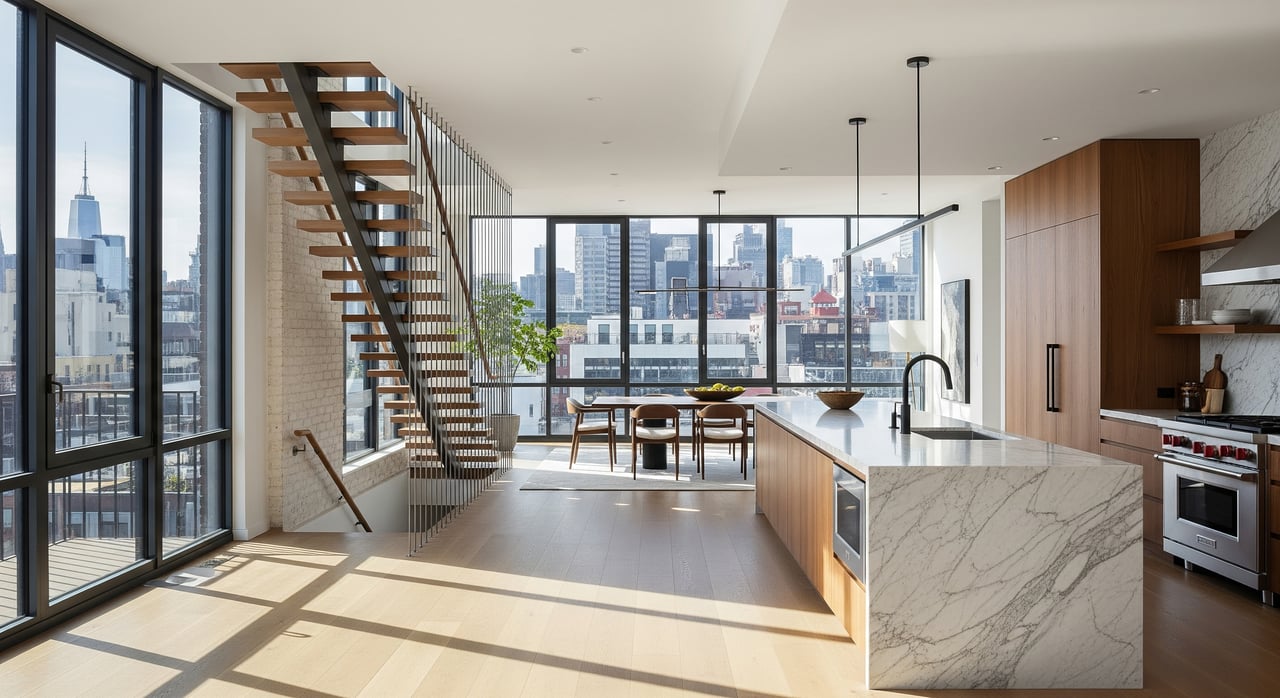
Eyeing side-by-side apartments in West Chelsea to create the home you really want? You are smart to plan before you swing a hammer. The right path saves time, protects value, and keeps your project compliant. This guide covers NYC rules, building and lender approvals, design and construction realities, timing, and pitfalls to avoid so your combination goes smoothly. Let’s dive in.
NYC rules you must meet
Most New York City apartment combinations can proceed under an ALT-2 filing without a new Certificate of Occupancy, as long as specific Department of Buildings conditions are met. The city’s policy on combining apartments outlines limits on scope and requires you to maintain compliant light, air, and egress, and to remove or repurpose any second full kitchen. You also need permitted plans prepared by a licensed design professional. Review the DOB policy on combining apartments to create larger residential units.
When an ALT-2 filing fits
NYC classifies alteration work by whether use, egress, or occupancy change. Apartment combinations typically fall into ALT-2 because those conditions do not change when done correctly. Your architect will confirm the correct category and file under DOB procedures for general construction. See a plain-English overview of ALT-1 vs. ALT-2 vs. ALT-3.
Landmarks in West Chelsea
Parts of West Chelsea sit within the Chelsea Historic District and near individual landmarks. Interior-only work usually does not require Landmarks Preservation Commission review unless you touch the exterior or the interior is landmarked. Check your building on the LPC maps and designations before you design.
Approvals beyond DOB
Combining units is a multi-party process. Plan for building governance, lender consent, and tax lot or title steps in parallel with permits.
Co-op vs. condo rules
- Co-op: Your proprietary lease, bylaws, and house rules control what is allowed. Expect board approval, building insurance and contractor requirements, and updated stock and proprietary lease documentation if you are combining shares. Learn how boards operate in this overview of co-op governance.
- Condo: Changing unit boundaries or creating one larger unit often requires an amendment to the condominium declaration or offering plan, plus recording changes and coordinating tax lots. For process basics, see guidance on legally combining NYC condos and DOF’s page on dividing and merging lots.
Lender consent
If you have mortgages on either unit, involve your lender early. Lenders typically review collateral changes, require consents and updated appraisals, and may ask for a refinance or payoff before you consolidate ownership records. Skipping this step can create problems at refinance or sale.
Tax lot and title updates
For condos, combining units on paper requires amending condo instruments and coordinating with the Department of Finance so tax lots and billing align with the physical space. Co-ops will reissue stock and an updated proprietary lease after board approval. DOF explains the mechanics of dividing and merging lots.
Design and construction realities
Kitchens, baths, and “wet over dry”
DOB policy expects you to eliminate or cap a second full kitchen and keep plumbing stacks and waterproofing compliant. This is often the most complex part of a combination, especially when relocating kitchens or bathrooms. The DOB policy on combining apartments addresses kitchen removals. Many owners underestimate wet-space work, which drives cost and schedule. See practical notes on apartment wet-space complexity for context.
Light, air, and egress
Every habitable room must keep compliant natural light and ventilation, and you cannot alter building egress routes. These criteria are part of what lets a project qualify as ALT-2. Review the DOB’s combination policy with your architect.
Structure and building systems
Removing load-bearing walls or altering vertical supports may require additional engineering and could change your filing path. Shared systems like risers, HVAC, and electrical panels must be coordinated with building management. See an overview of alteration categories and triggers. Permits and inspections for MEP work are standard; a permit pro can help streamline filings and inspections, as outlined in this guide to NYC construction permits.
Budget, timeline, and resale
Common cost drivers
Your budget will include architect and expediter fees, DOB permit costs, contractor trades for demolition and MEP, finishes, and potential board or legal fees for documentation and recording. Expect taxes and building fees to adjust after combination. CityRealty summarizes how taxes and fees may change when combining NYC apartments.
Typical timeline in Chelsea
- Pre-purchase and feasibility: 2 to 6+ weeks to review building rules, talk to management, consult an architect, check DOB and LPC status, and speak with your lender.
- Design and permitting: 4 to 12+ weeks for drawings, DOB filings, and board approvals. Condo declaration amendments can add time.
- Construction and inspections: 8 to 24+ weeks depending on scope and MEP complexity.
- Post-completion paperwork: 4 to 12+ weeks for the DOB Letter of Completion, co-op stock and lease updates, or condo and DOF recordings.
Resale implications
Thoughtful combinations can command a premium, but value depends on design quality and market demand. The key is to keep legal records aligned with the physical apartment so buyers and lenders have clean files. Owners who assume physical joining equals legal consolidation risk issues at sale, as highlighted in this discussion of legal considerations when combining condos.
Common pitfalls to avoid
- Starting construction before permits or board approval, which can lead to violations or delays.
- Not getting lender consent when collateral or legal descriptions change, which can block refinancing or sale later.
- Assuming the combination is legally complete without updated co-op stock and lease or condo declaration and DOF records.
- Underestimating kitchen and bath complexity, which often drives cost and schedule.
- Ignoring potential Landmarks or building-rule constraints that limit layout options.
- Failing to document work, which can trigger DOB issues. See an example of a violation dispute tied to unit combinations.
Your step-by-step plan
- Before you buy or design
- Review your building’s proprietary lease and bylaws, or condo declaration and offering plan.
- Ask management if combinations are allowed and what they require. Request prior examples.
- Speak with your lender about consent and financing mechanics.
- Hire an architect for a feasibility review of stacks, structure, light, air, and egress.
- Check whether your property sits in a historic district on the LPC maps.
- During planning
- Confirm the filing path and prepare an ALT-2 package with your architect and expediter.
- Coordinate lender approvals and any refinance.
- For condos, plan for declaration amendments and coordinate with DOF on tax lot changes. See process notes on legally combining condos.
- During construction
- Use licensed contractors and follow building rules on hours, insurance, and neighbor protection.
- Schedule all required DOB inspections.
- After completion
- Obtain the DOB Letter of Completion and finalize board documents.
- Record condo amendments and confirm DOF updates if applicable.
- Update insurance and verify new tax and fee schedules.
Ready to evaluate a combination in West Chelsea with discretion and precision? Connect with the Après Global Team at Compass for senior-led guidance on feasibility, approvals, and market impact.
FAQs
Do you need a new Certificate of Occupancy to combine two apartments in West Chelsea?
- Often no. If you meet DOB criteria and file as ALT-2, the policy says no new or amended Certificate of Occupancy is required. Review the city’s combination policy with your architect.
What co-op board approvals are typical for an apartment combination in Chelsea?
- Expect formal board approval, compliance with house rules and insurance requirements, and updated stock and proprietary lease documents. See an overview of co-op governance.
How do condo tax lots change after combining two units in Manhattan?
- You will likely need to amend condo instruments and coordinate with the Department of Finance to merge or adjust tax lots and billing. See DOF guidance on dividing and merging lots.
Does Landmarks approval apply when combining units in the Chelsea Historic District?
- Interior-only work usually does not need LPC review unless you affect the exterior or the interior is landmarked. Confirm status on LPC maps and designations.
How long does a typical NYC apartment combination take from design to completion?
- A common range is 4 to 12+ weeks for design and permits, 8 to 24+ weeks for construction, and 4 to 12+ weeks for closeout and recording, depending on scope and approvals.