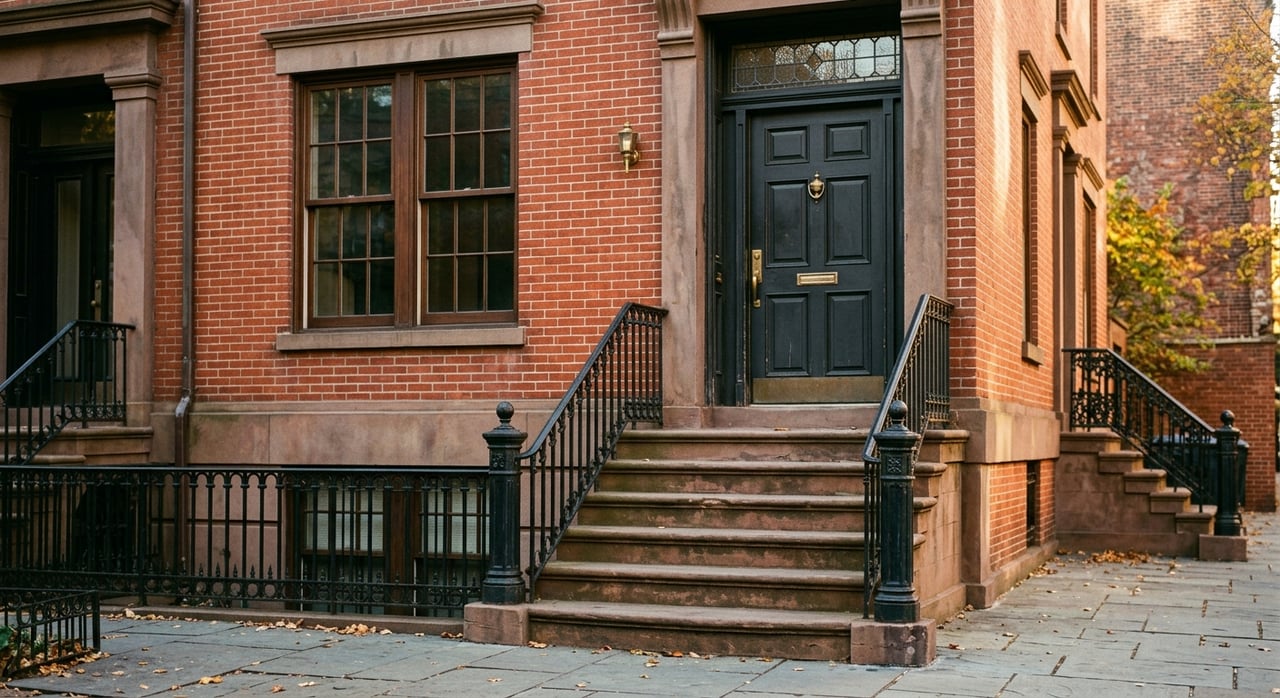
If you are thinking about living in the West Village, you are probably not just choosing an address. You are choosing a pace, a streetscape, and a way of moving through Manhattan that feels unusually intimate. For many buyers, that is exactly the appeal. This guide will help you understand what daily life looks like, how the housing stock differs, and what practical details matter before you make a move. Let’s dive in.
What sets the West Village apart
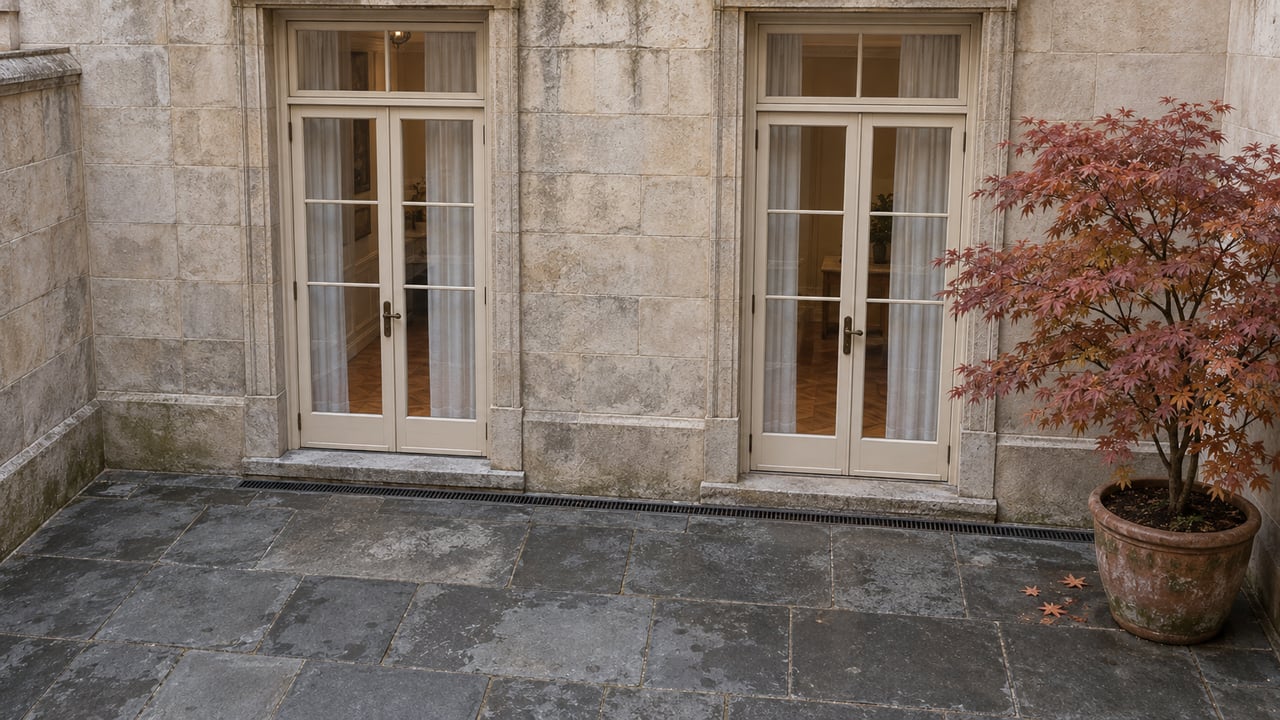
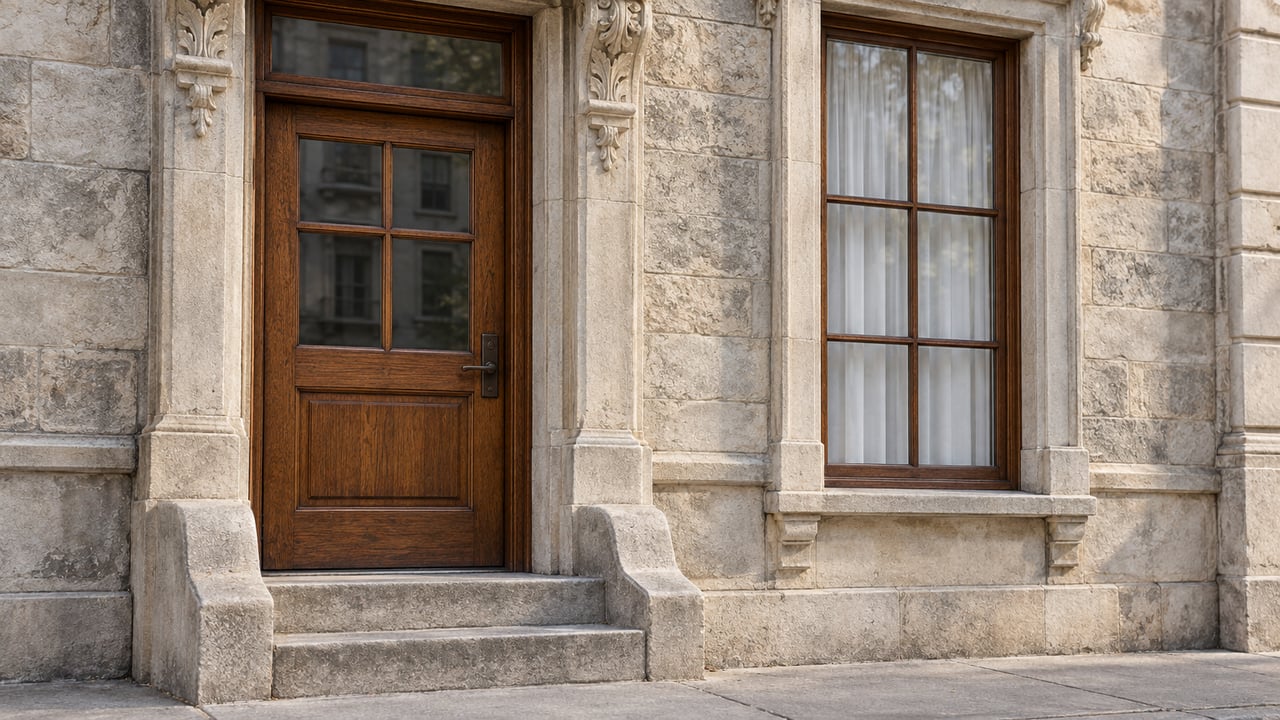
The West Village stands out because it feels preserved in a way that much of Manhattan does not. The Greenwich Village Historic District was designated in 1969 and includes more than 2,000 buildings across more than 65 blocks, making it the largest historic district in New York City. That scale of preservation has helped maintain the neighborhood’s low-rise character over time.
Just as important, the West Village does not follow Manhattan’s usual grid. StreetEasy’s neighborhood guide describes it as tucked between Greenwich Village and the Hudson River, with curving streets and a primarily residential feel. That street pattern shapes the experience of living here in a very real way. It feels quieter, more layered, and more tucked away than many downtown neighborhoods.
Why future residents are drawn here
For many buyers, the West Village offers a rare combination of walkability, architectural texture, and everyday convenience. You can step outside and find cafés, boutiques, restaurants, and neighborhood institutions within a few blocks. According to StreetEasy, there is a strong mix of bookshops, boutiques, trendy cafés, and nightlife, with a restaurant or bar on almost every street.
That density of options does not feel overwhelming because the scale stays human. Instead of broad avenues and tall towers dominating your view, you are more likely to notice row houses, corner storefronts, and shorter blocks that reward walking. If you want a Manhattan neighborhood that feels active without feeling oversized, that balance is a major reason the West Village stays in such high demand.
Daily life in the West Village
Café and retail rhythm
Living here often means building routines around nearby favorites. The neighborhood is known for local cafés, independent-feeling boutiques, and smaller-scale retail that fits the streetscape. Rather than one major commercial strip defining the area, the appeal comes from how many useful and enjoyable places are woven into daily life.
A good example is West 4th Street. StreetEasy notes that it curves through the heart of the neighborhood and includes many local spots along with some of the area’s loveliest houses. That mix captures the West Village well. Even an ordinary errand can feel more pleasant when the walk itself is part of the experience.
Arts and culture close to home
The West Village also has an unusually deep cultural identity for a primarily residential neighborhood. Cherry Lane Theatre identifies itself as New York’s oldest Off-Broadway theater. Village Vanguard has operated at 178 Seventh Avenue South since 1935, and Westbeth was founded in 1970 to provide affordable housing and studio space for artists.
That artistic lineage is still visible today. The Kitchen is currently programming from Westbeth while its Chelsea building is under renovation. For a future resident, this means the neighborhood offers more than visual charm. It supports a daily life that includes music, performance, and long-established cultural institutions close to home.
River access and open space
The Hudson River side of the neighborhood adds another layer to everyday living. Hudson River Park runs four miles along Manhattan’s west side and attracts more than 17 million visits annually. The park’s West Village Apple Garden also notes that the West Village section was the first part of the park to open, in 2002.
For residents, this is one of the neighborhood’s clearest lifestyle advantages. Side streets can open toward river views, and the waterfront gives you room to walk, run, or simply decompress without leaving the neighborhood. In a dense city, that kind of open-space access can have an outsized effect on how home feels day to day.
What housing options look like
Townhouses and row houses
Townhouses are among the West Village’s most iconic homes. The Landmarks Preservation Commission’s Rowhouse Manual explains that row houses are the dominant building type in many historic districts, and StreetEasy notes that a townhouse is the closest thing New York City has to a single-family home because one owner controls the full building.
If you are looking for long-term control, privacy, and classic neighborhood character, this housing type is often the natural fit. It can also offer flexibility in layout and use that apartment ownership may not. In a neighborhood defined by architectural continuity, townhouses remain some of the most distinctive properties available.
Walk-ups and classic co-op living
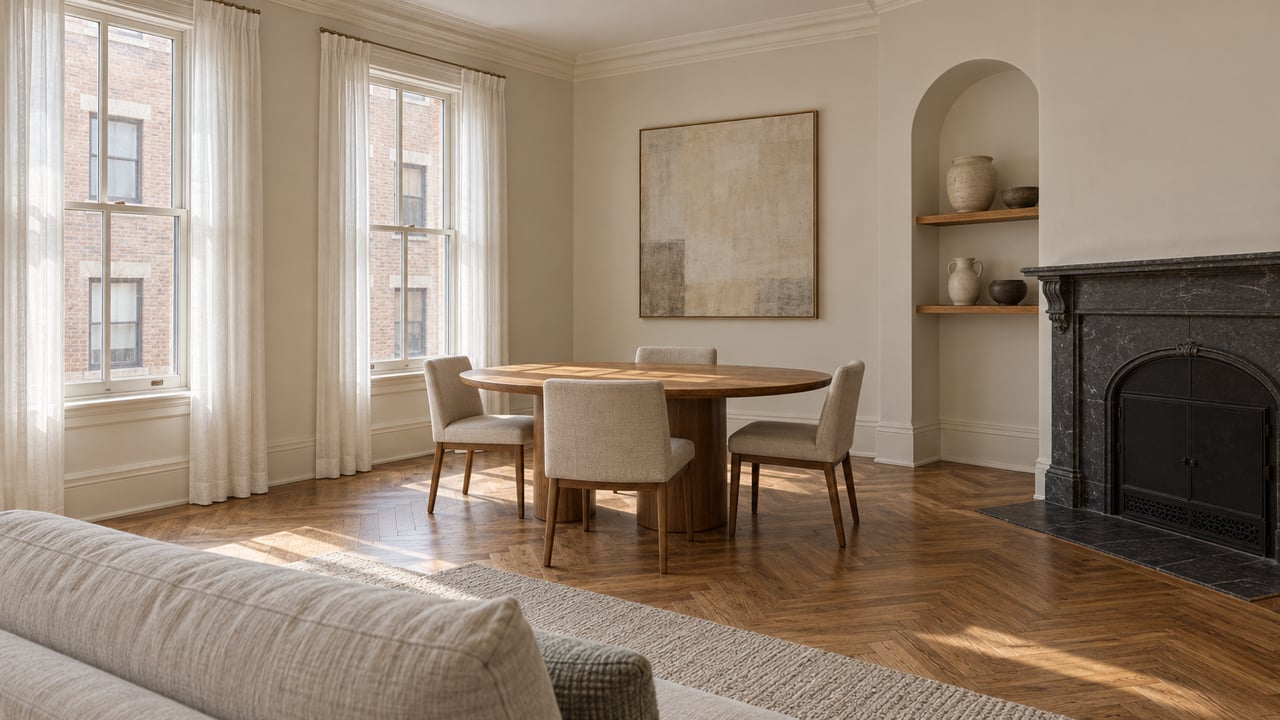
Much of the West Village housing stock consists of historic buildings and walk-ups. StreetEasy’s guide describes the area as mostly low-rise, with many rentals and residences that are smaller and older. For buyers who value charm, location, and neighborhood atmosphere over full-service amenities, that tradeoff may feel worthwhile.
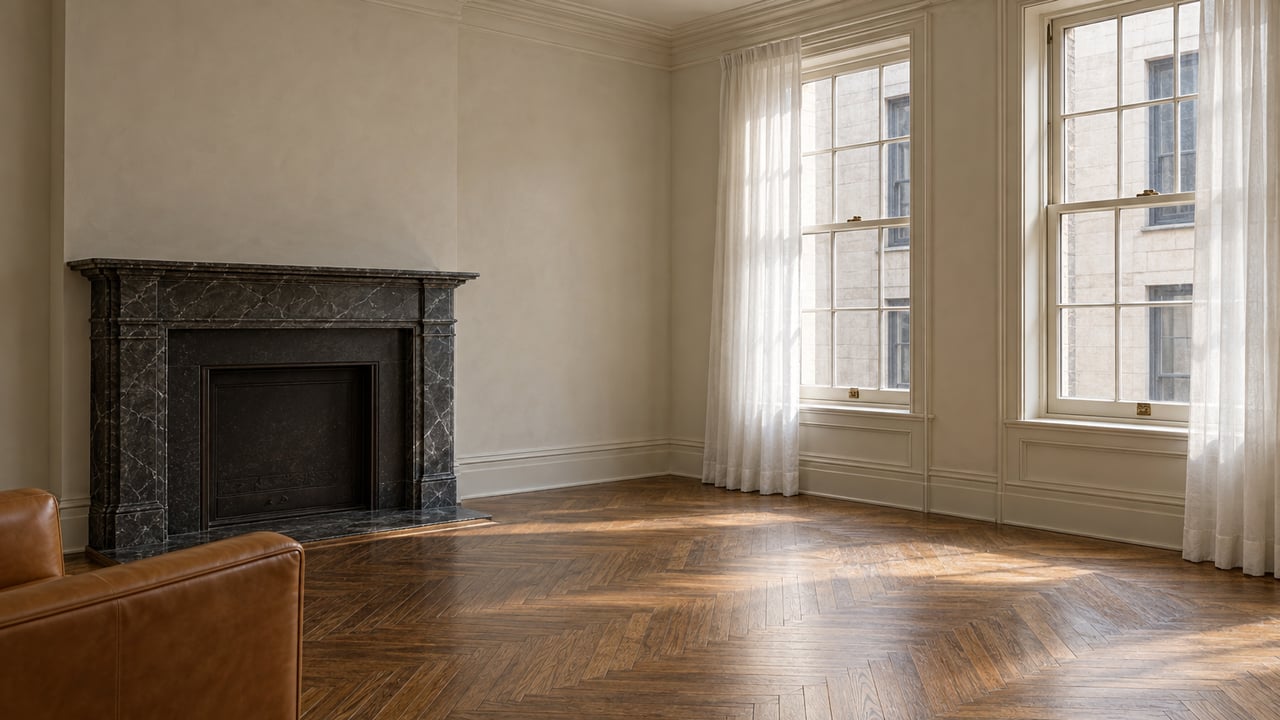
These homes often appeal to people who want to live in the center of the neighborhood’s daily life. You may find original details, established building character, and a stronger sense of connection to the streets around you. In practical terms, these homes tend to reward buyers who prioritize setting and authenticity.
Condos and flexible ownership
Condos tend to offer the most flexibility, especially if you split time between residences. According to StreetEasy’s condo versus co-op guide, condos can generally be used as part-time residences and subleased, while co-ops often have more restrictive sublet and pied-à-terre rules. The same source notes that newer high-rises line the Hudson River, so elevator and condo inventory often clusters closer to the western edge.
That makes condos especially relevant if you want lock-and-leave convenience or a part-time Manhattan base. For some buyers, that flexibility is central to the decision. If your ownership goals include optionality, condos are often the first category to evaluate closely.
What current pricing suggests
The West Village remains one of Manhattan’s more expensive residential markets. StreetEasy places the median sale price at about $1.5 million, while the research provided notes a January 2026 PropertyShark median of $1.6 million. The same market snapshot reports condos at $2.6 million, co-ops at $1.2 million, and houses at $7.3 million.
Those figures matter because they highlight how sharply pricing can vary by property type. A classic co-op and a townhouse may both sit within the same broad neighborhood, but they represent very different ownership experiences and investment levels. If you are planning a purchase here, it helps to define your intended use early so your search stays aligned with the right segment of the market.
Practical details to know before you buy
Transit access
Although the West Village can feel tucked away, transit access is straightforward. Cherry Lane Theatre’s visitor information lists the 1 train at Christopher Street and the A, B, C, D, E, F, and M trains at West 4th Street. That gives you strong connectivity while still living in a neighborhood known for a quieter, more residential feel.
For many residents, that balance is part of the appeal. You can enjoy a sense of remove from the busiest parts of downtown while keeping multiple subway options close by.
Landmark rules and ownership
If you buy in the West Village, landmark status may affect what you can do to the exterior of your property. The Landmarks Preservation Commission states that designated buildings and properties within historic districts require prior approval for most exterior alterations, demolition, reconstruction, and new construction that affects the building. At the same time, landmark review does not freeze a building in place.
This is an important point for buyers to understand early. Preservation is one reason the neighborhood looks and feels the way it does, but that same framework can shape renovation timelines and decision-making. If you are evaluating a townhouse, a co-op in a historic building, or any property with exterior considerations, careful upfront review is essential.
How to decide if the West Village fits you
The West Village is usually the right fit when you want intimacy, walkability, and architectural character more than large-scale spectacle. It appeals to buyers who value preservation, daily convenience, cultural depth, and homes that feel integrated into a long-established neighborhood fabric. It is less about overt luxury signaling and more about living well in a place with enduring identity.
That is also why property selection here should be highly specific. A townhouse, walk-up co-op, and condo along the river can all serve very different goals. If you define your priorities clearly, whether that means primary residence use, flexibility, privacy, or ease of ownership, you can approach the West Village with a sharper and more productive lens.
If you are considering a purchase or sale in the West Village, working with a senior-led advisory team can help you evaluate not just the asset, but the fit between the property and your broader goals. The Après Global Team at Compass provides discreet, tailored guidance for Manhattan buyers and sellers who value informed strategy and white-glove execution.
FAQs
What makes the West Village different from other Manhattan neighborhoods?
- The West Village is known for its preserved historic character, curving off-grid streets, low-rise scale, walkability, and dense mix of cafés, restaurants, cultural venues, and waterfront access.
What types of homes are common in the West Village?
- Common housing types include townhouses, row houses, walk-up apartments, co-ops, and condos, with newer condo and elevator inventory often found closer to the Hudson River.
What is the typical price point for West Village real estate?
- Based on the research provided, the median sale price is about $1.5 million to $1.6 million, with condos, co-ops, and houses showing very different pricing ranges.
What should buyers know about West Village historic district rules?
- Many properties fall within a historic district, which means exterior changes often require prior approval from the Landmarks Preservation Commission.
What is daily life like for a West Village resident?
- Daily life often centers on walkable streets, neighborhood cafés and boutiques, nearby restaurants, cultural institutions like theaters and jazz clubs, and access to Hudson River Park.
What transit options serve the West Village?
- The neighborhood has access to the 1 train at Christopher Street and the A, B, C, D, E, F, and M trains at West 4th Street.