If you split your time between coasts, your New York home has to do more than give you a place to land. It needs to feel calm, connected, and easy to use on your schedule, whether you are arriving for a few days, a few weeks, or a longer stretch. In Tribeca, you get a rare mix of downtown access, generous residential scale, and service-rich housing options that can make part-time ownership feel much more seamless. Let’s dive in.
Why Tribeca Fits Bi-Coastal Living
Tribeca stands out because it works as a true second-home base, not just a convenient crash pad. The neighborhood combines a downtown Manhattan location with a residential feel, plus easy access to transit, parks, and a housing stock that often offers more volume than you find elsewhere in Manhattan.
That combination matters when you are living between New York and another city. You want a home that supports real daily routines, not one that only works for short visits. Tribeca’s loft buildings, newer full-service condominiums, and waterfront open space all support that more grounded way of using the city.
Downtown Access Without Constant Noise
StreetEasy describes Tribeca as quiet and tranquil, which helps explain why it appeals to buyers who want Manhattan energy without a more intense street-level pace. That balance can be especially useful if you are arriving from frequent travel and want your time in the city to feel settled right away.
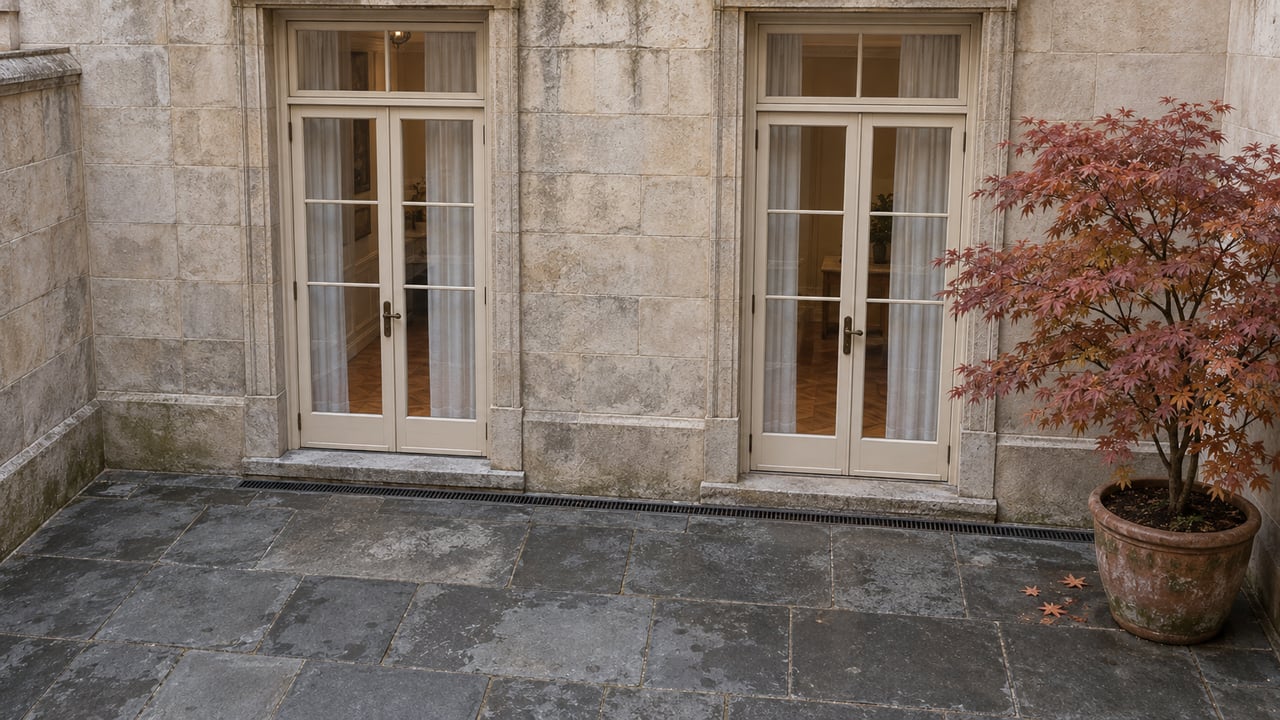
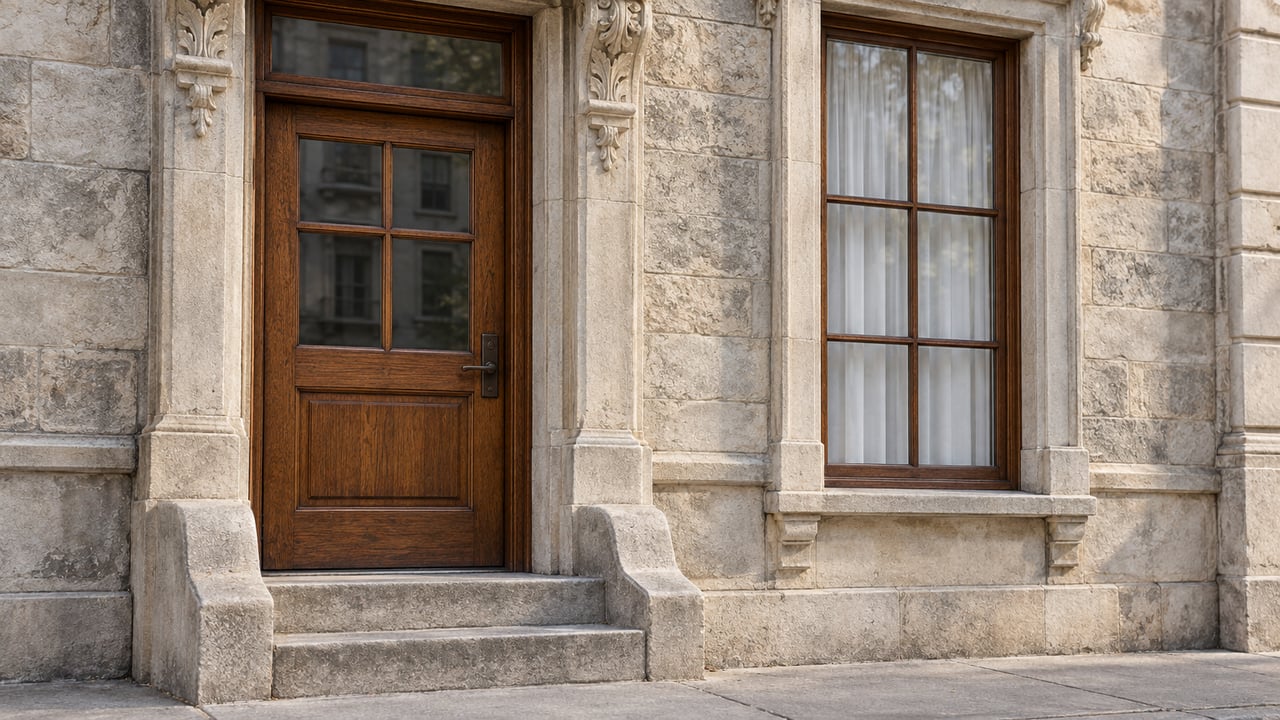
NYC Planning also notes that Tribeca evolved from a former industrial and warehouse district into one of the city’s most desirable and successful residential communities. Its built character is still defined by late-19th- and early-20th-century loft buildings, which gives the neighborhood a strong architectural identity that many buyers find enduring.
Transit Makes Part-Time Ownership Easier
For bi-coastal owners, logistics matter almost as much as the residence itself. Tribeca benefits from close access to the World Trade Center transportation hub, where the Oculus connects 12 subway lines and the PATH station, along with ferry access, taxi and ride-share drop-off, and parking.
That level of connectivity can simplify city movement when you are only in town part-time. It gives you practical access across Manhattan and into New Jersey without making every trip feel like a production.
Flexible Airport Options
Airport access is one of Tribeca’s strongest advantages for split-time living. For JFK, official airport guidance says AirTrain connects to the subway and Long Island Rail Road, and the trip from Penn Station or Grand Central to the AirTrain station at Jamaica is about 20 minutes.
LaGuardia remains the major East Coast airport without direct rail service, but the MTA’s Q70 LaGuardia Link connects both Woodside LIRR and the Jackson Heights subway complex to the airport. The Port Authority says that route is fare-free year-round, which adds another practical option.
For Newark, the WTC hub connects to PATH, and AirTrain Newark links the rail station to airport terminals. For a buyer who may fly different routes depending on season, schedule, or destination, that multi-airport flexibility is a meaningful advantage.
Tribeca Feels More Like an Anchor Than a Stopover
A second home works better when it supports your real life in the city. Tribeca tends to function well as an anchor because it offers space, strong infrastructure, and a calmer residential rhythm than many other downtown locations.
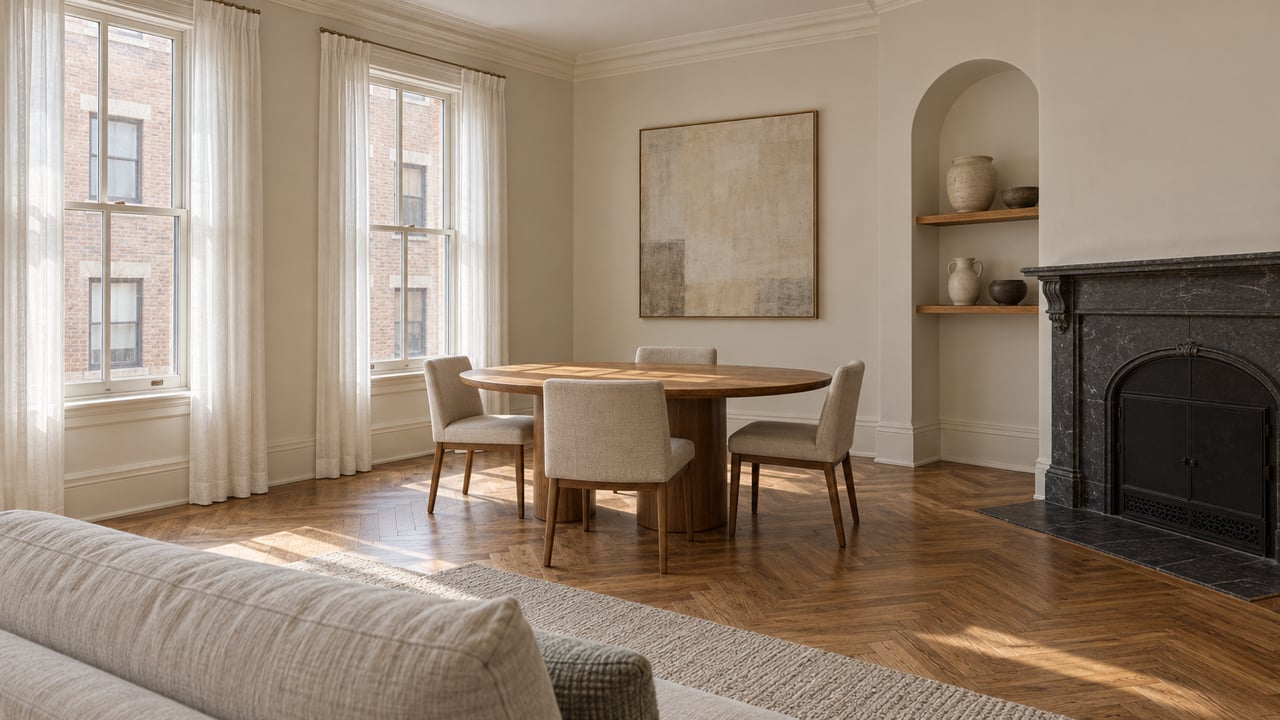
Instead of feeling hotel-like, many homes here are set up for staying. Large living areas, better storage potential, and established residential buildings can make it easier to maintain routines, host guests, and settle in comfortably between trips.
Waterfront Space Supports Daily Routine
Hudson River Park adds an important lifestyle layer to Tribeca living. The neighborhood’s riverfront section includes Pier 25, Pier 26, lawns, dog runs, recreation areas, and the Tribeca Native Boardwalk.
Pier 26, which opened in 2020, is a 2.5-acre ecologically themed pier with lawns, boardwalks, and recreation space. For part-time owners, these amenities can help the neighborhood feel livable right away, whether your ideal routine includes morning walks, outdoor time with children, or room for pets to get outside.
Two Main Housing Paths in Tribeca
For second-home buyers, Tribeca usually presents two distinct residential options. You are often deciding between character-driven loft residences and newer full-service condominiums.
Each can work well, but they solve different needs. The right fit depends on whether you value architectural authenticity and scale most, or whether your priority is turnkey, lock-and-leave simplicity.
Loft Residences Offer Volume and Character
Tribeca’s loft supply comes from prewar industrial and warehouse buildings. NYC Planning says the Special Tribeca Mixed Use District permits loft dwellings in buildings designed for non-residential use and built before December 15, 1961, while the Loft Board explains that New York’s Loft Law governs the conversion of certain commercial and manufacturing lofts to residential use.
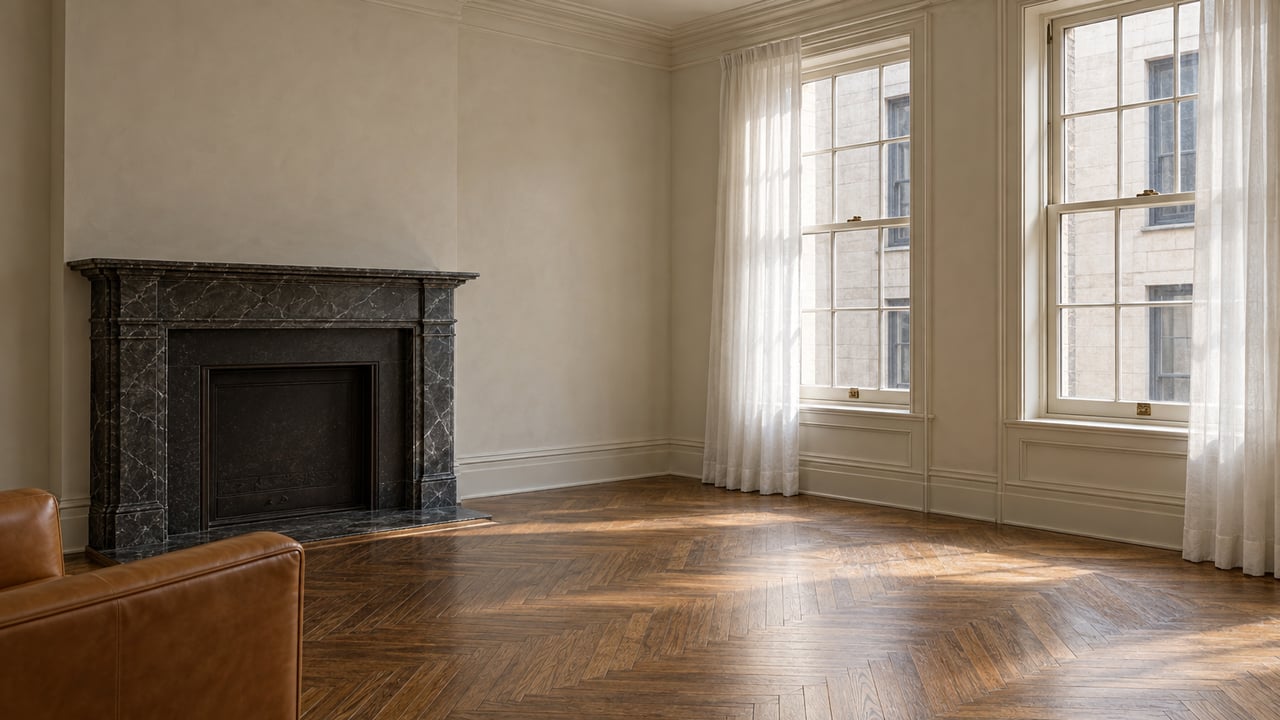
In practical terms, this often means larger, more flexible interiors. Examples in public listings include homes with soaring ceilings, oversized windows, cast-iron details, and substantial square footage, including a 2,402-square-foot unit at 79 Worth Street and a 4,500-square-foot triplex loft at 45 Warren Street with 25-foot ceilings and two private terraces.
If you want a home that feels distinctly Tribeca, lofts are often the clearest expression of that identity. They can be especially appealing if you value scale for entertaining, collecting art, or simply having more breathing room in the city.
Full-Service Condos Prioritize Ease
Tribeca’s newer condo buildings offer a different kind of value. Public building descriptions on StreetEasy show strong service packages in several prominent addresses, including doormen, concierge service, live-in building staff, parking, pools, fitness areas, lounges, playrooms, terraces, and other shared amenities.
At 56 Leonard, listed amenities include a live-in super, doorman, concierge, a 75-foot lap pool, gym, screening room, lounge, dining room, playroom, and parking garage. StreetEasy also describes 100 Barclay as offering concierge, doorman, valet parking, more than 40,000 square feet of amenities, an 82-foot heated lap pool, club lounge, terraces, and dedicated shared spaces for children and teens.
Other examples include 108 Leonard, with concierge, doorman, and a swimming pool, and 200 Chambers, with doorman, concierge, pool, gym, resident lounge, playroom, roof deck, and on-site parking. For a second-home owner, these features can reduce friction in a very practical way.
How to Choose Between Lofts and Condos
A loft may be the better fit if you want architectural depth, larger entertaining space, and a home that feels rooted in Tribeca’s historic fabric. A newer condo may be the better fit if you want more staff support, package handling, building amenities, and an easier lock-and-leave setup.
Neither category is universally better. They are simply different solutions for different ownership styles, and Tribeca is unusual in offering both at a very high level.
The Market Is Selective and Supply Is Limited
Tribeca sits firmly in New York City’s ultra-prime tier. StreetEasy places the neighborhood’s median sale price at about $3.5 million, Redfin reports a median sale price of $3.89 million over the prior three months, and Zillow estimates an average home value of $3.76 million.
While the exact number varies by methodology, the broader message is consistent. Tribeca is expensive, available inventory is relatively limited, and homes do not turn over quickly.
Historic Preservation Shapes Supply
Part of Tribeca’s supply story comes from preservation. The neighborhood includes multiple designated historic districts, and the Landmarks Preservation Commission says alterations to designated buildings or buildings within historic districts require commission approval.
That framework helps explain why Tribeca often feels built-out. It also helps explain why large, modern, full-service condominium options tend to be concentrated in a narrower group of buildings rather than spread evenly across the neighborhood.
Expect a Narrower Search
Public dashboards also suggest a market that remains active but highly segmented. Redfin reports 53 homes sold in May 2026 with a median 77 days on market, while Zillow shows 165 active listings and about 69 days to pending.
For you as a buyer, that usually means the search is less about browsing endless options and more about identifying the right building type, service level, and layout early. In Tribeca, the best fit is often very specific.
What Makes Tribeca Especially Strong for Second Homes
Many Manhattan neighborhoods offer luxury. Fewer offer this particular combination of space, calm, transit access, waterfront open space, and service-rich ownership options.
That is why Tribeca often works so well for bi-coastal buyers. You can choose a loft with strong architectural presence, or a full-service condo designed for more seamless part-time use, while staying in a neighborhood that supports both convenience and a more residential day-to-day experience.
If your goal is not just to own in Manhattan, but to own in a way that feels efficient and enjoyable across two coasts, Tribeca deserves serious consideration.
If you are evaluating Tribeca as a second-home base and want discreet, senior-level guidance on building selection, market positioning, and off-market opportunities, Après Global Team at Compass can help you navigate the search with clarity and care.
FAQs
Is Tribeca a good neighborhood for a bi-coastal second home?
- Yes. Tribeca offers strong transit access, flexible airport connections, larger residential layouts, and a quieter neighborhood feel that can work well for part-time Manhattan living.
Are Tribeca lofts or condos better for second-home buyers?
- It depends on how you plan to use the home. Lofts generally offer more character, volume, and flexible space, while newer condos often provide more services, amenities, and lock-and-leave convenience.
Is Tribeca expensive compared with other Manhattan neighborhoods?
- Yes. Public market data in the research report places Tribeca in the ultra-prime tier, with median or average pricing around the mid-$3 million range depending on the source.
Does Tribeca have enough outdoor space for part-time owners?
- Yes. Hudson River Park’s Tribeca section includes piers, lawns, dog runs, recreation areas, and boardwalk space that can make everyday routines easier when you are in the city.
Why is Tribeca inventory often limited?
- Tribeca’s historic districts and landmarked building context help constrain change, and public market data also suggests that homes do not turn over quickly compared with broader, less supply-constrained markets.