You can buy height, or you can buy history. In Manhattan’s luxury market, that choice often comes down to Billionaire’s Row in Midtown or downtown neighborhoods like Tribeca and SoHo. If you are building a portfolio, a second-home strategy, or a legacy hold, understanding how these areas differ can help you make a more deliberate decision. Let’s dive in.
Midtown vs Downtown at a Glance
The current market points to a clear divide between Midtown and downtown. Midtown offers a lower typical entry point and more available inventory, while Tribeca and SoHo command a much higher price and tighter supply.
Zillow places Midtown at a typical home value of $1,717,762, up 14.0% year over year, with 294 homes for sale. By comparison, Tribeca sits at $3,714,466, up 7.5%, with 139 homes for sale, and SoHo is at $3,064,571, up 8.9%, with 110 homes for sale.
Redfin data shows a similar pattern. Midtown Manhattan had a median sale price of $1,249,536 with 111 days on market, while Tribeca posted $3,893,553 at 90 days on market, and SoHo reached $3,198,811 at 106 days on market. The figures come from different methodologies, so they are best read directionally, but the broader takeaway is consistent.
What Billionaire’s Row Offers
Midtown is a trophy tower market
If your thesis centers on skyline views, branded amenities, and service-led ownership, Midtown is the cleaner fit. The area’s supertalls are built around scale, staff, and a highly managed resident experience.
Central Park Tower is marketed as the world’s tallest residential building at 1,550 feet. Its Central Park Club spans about 50,000 square feet across three floors, reinforcing the hotel-like feel that many high-rise luxury buyers want.
At 111 West 57th Street, the offering is equally service-oriented. The building markets full-floor residences, 24-hour dedicated staff, private security, concierge service, complimentary breakfast, and a sports club with a pool, spa, golf simulator, and indoor padel court.
Midtown can suit a lock-and-leave strategy
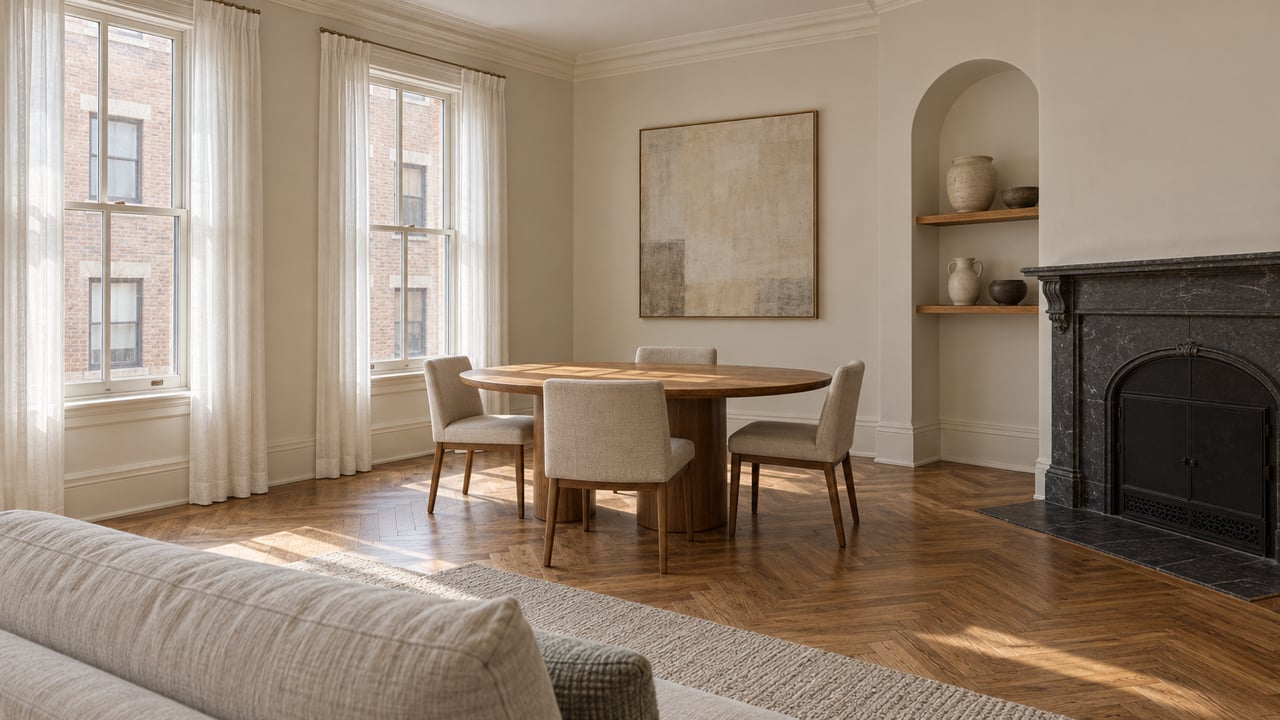
For many buyers, Midtown reads as a practical luxury holding. The combination of concierge support, security, and extensive amenities can make ownership feel streamlined, especially if you split time between New York and other residences.
This is one reason Midtown often appeals to buyers looking for a pied-à-terre or second residence. The asset may function less like a neighborhood-driven home and more like a managed, view-forward trophy allocation.
Midtown is also evolving
Midtown is not a static market. The city’s Park Avenue Vision Plan aims to create a greener, safer, and more pedestrian-friendly Park Avenue between 46th and 57th Streets.
The Midtown South Mixed-Use Plan also signals future change. That plan would add roughly 9,700 homes across 42 blocks by allowing more mixed-use and residential development in an office-heavy corridor. For a portfolio buyer, that matters because future supply can shape how you think about scarcity and long-term positioning.
What Downtown Offers
Tribeca and SoHo are defined by scarcity
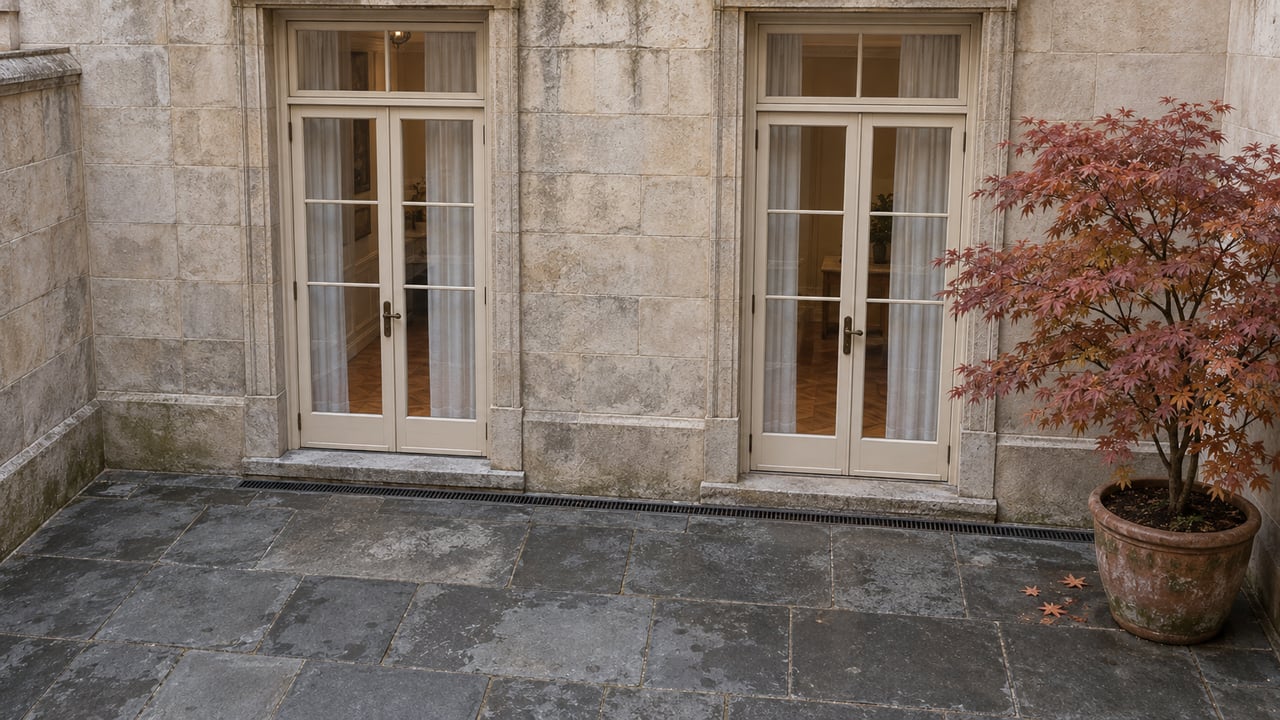
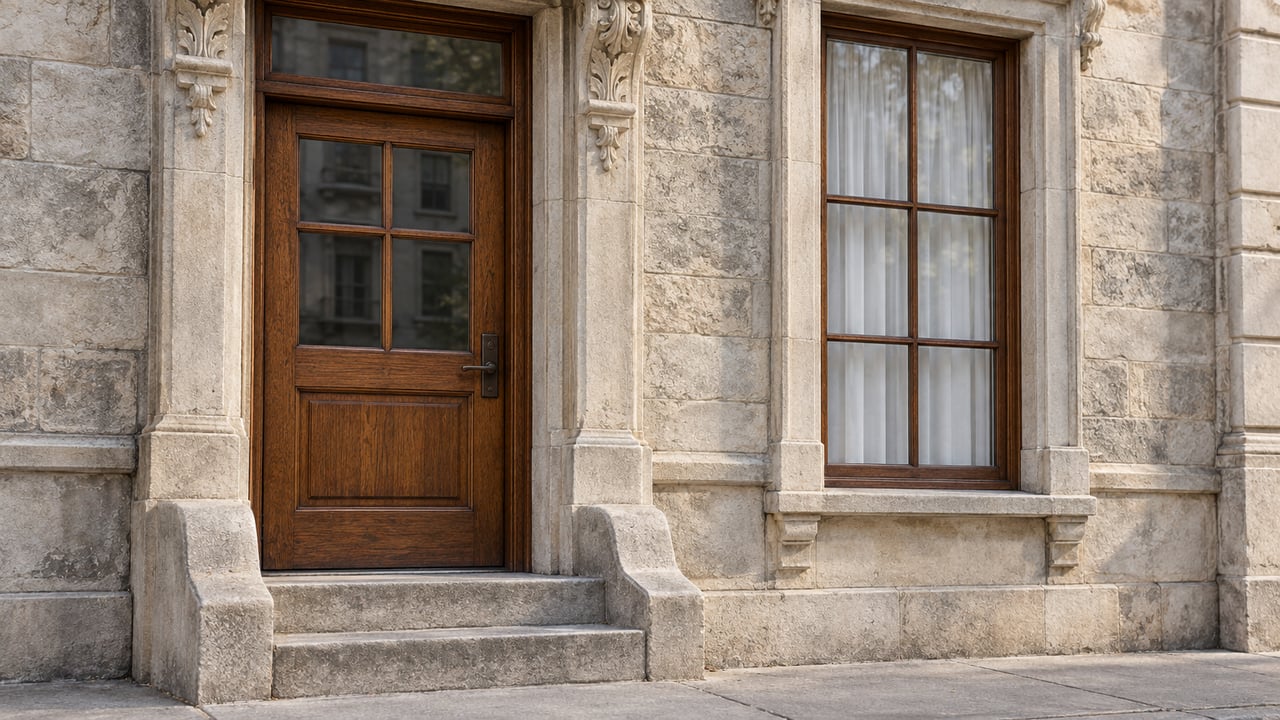
Downtown luxury is less about vertical spectacle and more about architecture, preservation, and neighborhood texture. In Tribeca and SoHo, the appeal often comes from the fact that the built environment is harder to replicate.
The Special Tribeca Mixed Use District covers a 62-block area and is intended to support light industrial, commercial, and residential uses at a scale consistent with existing buildings. City Planning materials describe goals such as reinforcing existing building context, preserving street-wall character, and creating a transition from denser commercial districts to Tribeca’s loft character.
SoHo has a similar preservation story. Its cast-iron historic district extension encompasses about 135 properties and was drawn to protect cohesive streetscapes and notable cast-iron buildings tied to the area’s industrial past.
Downtown often feels more residential
If your priority is a more home-like daily experience, downtown may be the stronger fit. Tribeca and SoHo tend to center daily life around streetscape, architecture, restaurants, galleries, and foot traffic rather than a building club environment.
That distinction matters for primary residences. While every buyer’s goals differ, downtown often appeals to those who want their property to feel integrated into a neighborhood experience rather than defined primarily by tower amenities.
Preservation can support long-term character
Protected districts can help preserve the physical character that makes downtown desirable. That can be a meaningful advantage if your portfolio strategy values architectural scarcity and a more insulated streetscape.
At the same time, preservation comes with trade-offs. Landmark status can limit renovation flexibility, and the Landmarks Preservation Commission must approve certain alterations, reconstruction, demolition, or new construction affecting designated buildings. Even some exterior work in historic districts may require LPC permits when a Department of Buildings permit is not needed.
Which Fits Your Portfolio Strategy?
Choose Midtown if you value service and flexibility
Midtown may be the stronger choice if you are optimizing for:
- Skyline and park views
- Trophy-building identity
- Concierge, security, and amenity depth
- A lock-and-leave second residence
- A lower typical entry point than Tribeca or SoHo
- A broader pool of active listings
In practical terms, Midtown can suit buyers who want a residence that is easy to manage from afar. The inventory depth may also create more choice if you are comparing layouts, exposures, or new-development opportunities.
Choose downtown if you value scarcity and context
Tribeca or SoHo may be the stronger choice if your strategy prioritizes:
- Architectural character
- Historic streetscape
- Loft-style living
- A more neighborhood-centered daily experience
- Higher absolute scarcity
- A preservation framework that can help maintain context
For some buyers, that makes downtown feel more like a long-duration hold. The higher price floor is real, but so is the sense that these assets are tied to a built form that is difficult to reproduce.
Liquidity Matters in Both Markets
Luxury Manhattan is not frictionless, even at the top end. Current days-on-market data show that patience is still part of the equation whether you buy in Midtown or downtown.
Among the three areas, Tribeca is currently the quickest at 90 days on market. SoHo follows at 106 days, and Midtown Manhattan comes in at 111 days.
That does not mean Tribeca will always resell faster. It does suggest that if liquidity is central to your portfolio planning, you should treat resale timing as a real consideration rather than an assumption.
Costs and Structure Should Shape the Decision
At these price points, transaction costs deserve close attention. In New York State, the real estate transfer tax applies to conveyances over $500, and residential purchases at $1 million or more trigger the 1% mansion tax.
For New York City transfers, the state also applies an additional base tax and, for residential deals at $2 million or more, a supplemental tax with rates that rise incrementally up to 2.9%. The city also has its own Real Property Transfer Tax filing framework.
Estate planning can also matter in a trophy-market purchase. New York’s 2026 estate-tax exclusion is $7,350,000, and nonresidents may still have New York filing obligations if an estate includes New York real property.
For buyers, family offices, and long-term holders, these details are not side notes. They are part of how you evaluate true cost, hold structure, and exit planning.
The Bottom Line
If your portfolio thesis prioritizes views, service, convenience, and trophy-building identity, Billionaire’s Row and greater Midtown offer a compelling fit. You are buying into a market with more inventory, a lower typical ticket than downtown, and a highly managed ownership experience.
If your thesis prioritizes architectural scarcity, preserved streetscape, and neighborhood texture, Tribeca and SoHo stand out. You are paying more, but you are also buying into a more constrained built environment with a distinct sense of place.
Neither path is universally better. The right allocation depends on whether you are optimizing for lifestyle utility, long-term scarcity, resale timing, or a second-home format that works effortlessly with the rest of your portfolio.
When you are weighing Midtown against downtown, nuance matters. For discreet, senior-level guidance on trophy Manhattan acquisitions, portfolio positioning, and off-market opportunities, connect with Après Global Team at Compass.
FAQs
What is the main price difference between Midtown and downtown Manhattan luxury properties?
- Midtown currently shows a lower typical home value and median sale price than Tribeca and SoHo, while downtown neighborhoods trade at a much higher price point with tighter inventory.
What type of buyer may prefer Billionaire’s Row in Midtown?
- Midtown may appeal to buyers who want a lock-and-leave residence, extensive building services, private security, and a view-driven trophy property.
What type of buyer may prefer Tribeca or SoHo over Midtown?
- Tribeca and SoHo may suit buyers who prioritize loft character, preserved streetscapes, architectural scarcity, and a more neighborhood-centered daily experience.
How long are luxury homes taking to sell in Midtown, Tribeca, and SoHo?
- Current Redfin data shows about 111 days on market in Midtown Manhattan, 90 days in Tribeca, and 106 days in SoHo.
Do historic district rules affect downtown Manhattan properties?
- Yes. In landmarked buildings or historic districts, certain exterior work and other changes may require approval from the Landmarks Preservation Commission, which can limit renovation flexibility.
What taxes should buyers consider for Manhattan luxury purchases?
- Buyers should account for New York State transfer tax, the 1% mansion tax on residences at $1 million or more, and additional state and city transfer-related taxes that can apply at higher price points.